

 Flashlight
 Solar
Extension Cable
Solar
Extension Cable


What is a Portable Power Station & How It’s Used
Portable power stations are becoming essential for anyone who needs reliable, clean, and on-demand electricity—whether you’re preparing for outages, going off-grid, or exploring the outdoors. As more people look for safer and quieter alternatives to gas generators, portable power stations have quickly become the go-to solution.
In this comprehensive guide, we’ll break down what a portable power station is, how it works, why it’s useful, and how to choose one that actually fits your needs. We’ll also show real-world applications and examples based on modern energy solutions like those offered by Oukitel Power.
What Is a Portable Power Station?
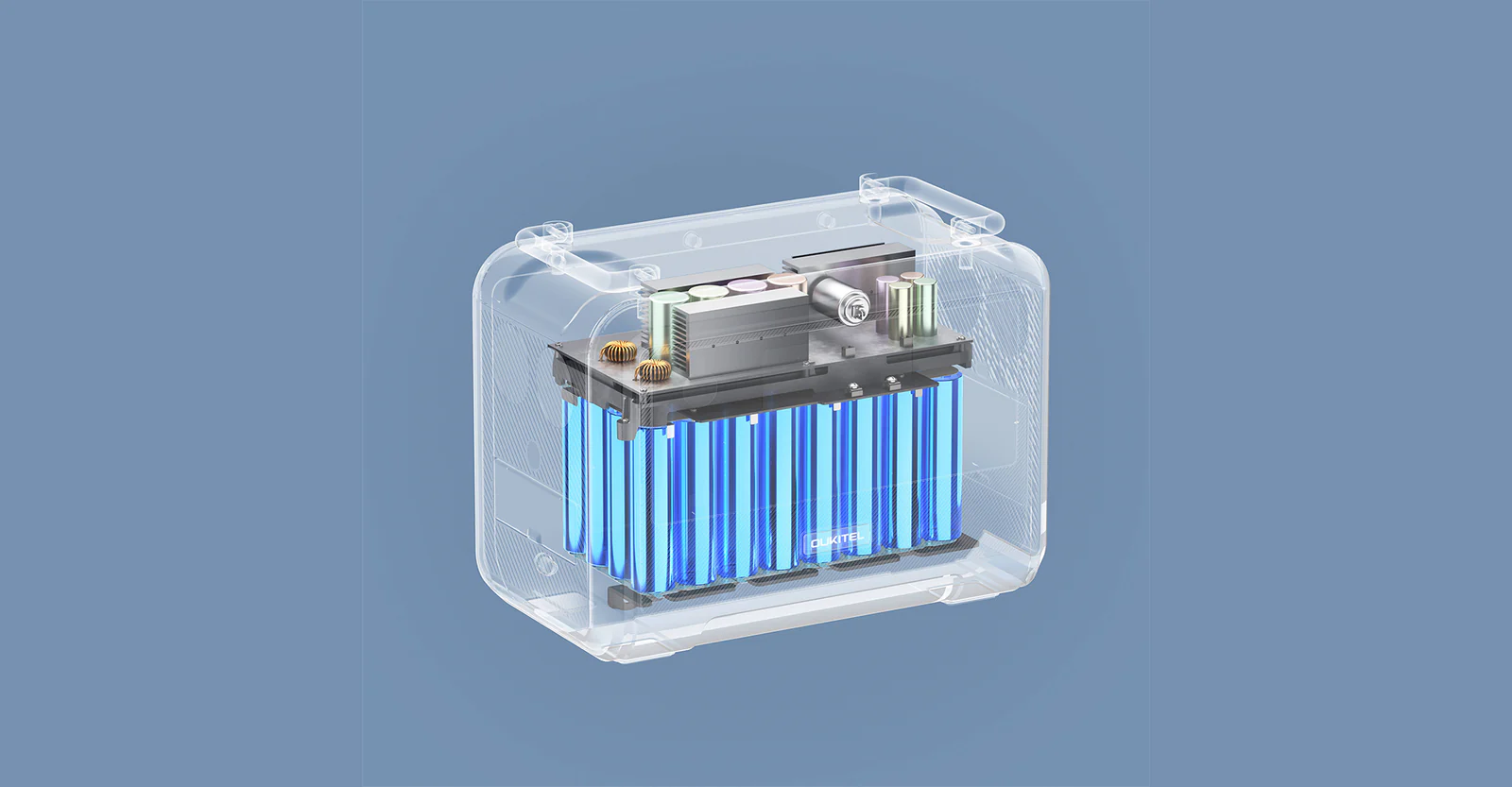
A portable power station is a rechargeable, battery-powered generator that provides electricity for devices and appliances without needing fuel. Unlike traditional gas generators, these stations run on large lithium batteries (most commonly LiFePO4), making them:
- Safe and clean
- Quiet to operate
- Maintenance-free
- Easy to recharge from the wall, car, or solar panels
Portable power stations come with built-in AC outlets, USB ports, DC ports, fast-charging outputs, and advanced battery management systems to keep everything safe.
Typical Components
|
Component |
Function |
|
High-capacity lithium battery |
Stores power (measured in Wh) |
|
AC Inverter |
Converts stored DC power into usable AC |
|
Multiple output ports |
Power laptops, phones, appliances |
|
Recharge system |
AC charging, car charging, solar charging |
|
BMS protection |
Prevents overcharging, overheating, short-circuiting |
A modern portable power station includes:For example, Oukitel P800, P1000 Plus, P2001 Plus, and P5000 series include fast-charging systems, durable LiFePO4 batteries, and high-wattage output suitable for both home and outdoor needs.
How Does a Portable Power Station Work?

Portable power stations store energy in a large internal battery. When you plug in a device, the inverter converts that stored energy into the correct voltage and current.
You can recharge the unit through:
● Wall AC Outlet
Fastest method; many Oukitel models recharge in 1.5–2 hours.
● Solar Panels
Perfect for camping or off-grid living.
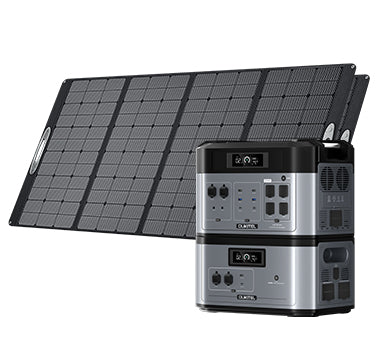
Matches with Oukitel solar generators.
● Car Charger
Useful for road trips and emergencies.
● Smart UPS (Uninterruptible Power Supply) Function
Some models automatically switch to battery mode during an outage—offering backup for essentials like:
- Wi-Fi routers
- CPAP machines
- Lights
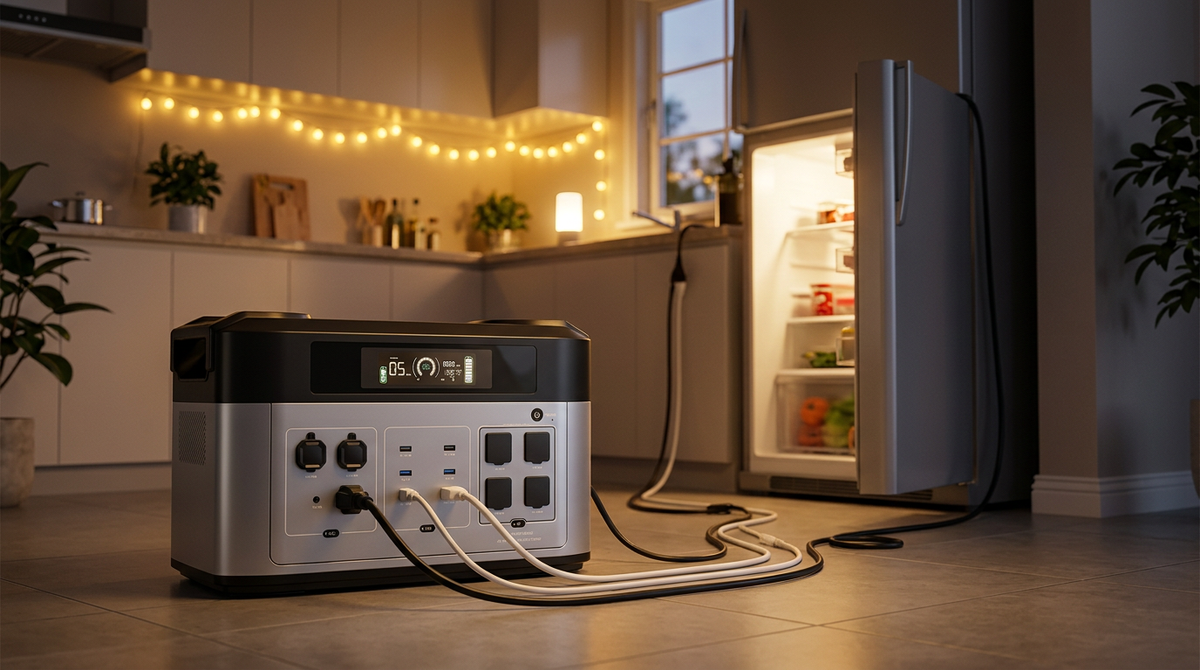
- Refrigerators (with high-wattage stations like P2001 Plus)
What Is a Portable Power Station Used For?

Portable power stations are incredibly versatile. Here are the most common use cases:
1 Emergency Home Backup
Power outages are happening more frequently due to storms, grid failures, and extreme weather. A portable power station gives you instant access to electricity—no fumes, no fuel, and no noise.
Portable power stations can power:
- Lights
- Fans
- Refrigerators
- Freezers
- Internet routers
- Medical devices (CPAP)
- Laptops and phones
Models like Oukitel P2001 Plus (2400W/2048Wh) or P5000 Pro (3600W/5120Wh) are specifically designed to support home appliances during outages.
2 Camping & Outdoor Adventures
A portable power station makes camping easier, more comfortable, and safer.
Common outdoor uses:
- Charging phones, cameras, drones
- Powering portable fridges
- Inflating air mattresses
- Running electric cooking gear
- Using lights and projectors
Oukitel Power’s P800 and P1000 Plus are especially suitable for lightweight outdoor use due to their compact size and sufficient power output.
3 RV & Van Life
For travelers living off-grid or on the road:
- Portable stations act like a mini power grid
- Solar panels recharge during the day
- AC outlets support cooking, tools, and electronics
These stations are safer than gas generators and can run indoors.
4 Off-Grid Living
For those building a cabin, tiny home, or remote shelter, portable power stations can:
- Work as the main power source
- Pair with solar panels for a renewable setup
- Expand capacity with additional batteries (like the Oukitel B2000 2048Wh expansion battery)
5 Worksites & Professional Use
Portable power stations can operate tools such as:
- Drills
- Circular saws
- Compressors
- Soldering irons
- Lighting equipment
This is essential for contractors working in remote areas or where grid power is unavailable.
6 Road Trips & Overlanding
Perfect for powering:
- Dash cams
- Mini coolers
- Electric pumps
- Navigation devices
- In-car entertainment
Solar charging ensures long-term power without draining the car battery.
Benefits of Using a Portable Power Station

Portable power stations offer many advantages over gas generators and small power banks.
1 Clean and Eco-Friendly
- No emissions
- No fumes
- Safe for indoor use
2 Quiet Operation
Most battery-powered stations operate with near-silent noise levels (often <50 dB), making them ideal for campsites and bedrooms.
3 Versatile Charging Options
Recharge via:
- Solar panels
- Wall outlet
- Car charger
This flexibility is especially useful for off-grid or emergency scenarios.
4 Safe for Indoor Use
Lithium iron phosphate (LiFePO4) batteries provide:
- High stability
- Long cycle life
- Excellent safety
Oukitel power stations use LiFePO4 in most models, supporting 3,000+ life cycles.
5 Long Battery Lifespan
LiFePO4 technology ensures:
- Longer lifespan
- Improved temperature resistance
- More value over time
6 Supports High-Wattage Appliances
Modern stations like:
- P2001 Plus (2400W)
- P5000 (2200W)
- P5000 Pro (3600W)
can handle everything from kitchen appliances to power tools.
How to Choose the Right Portable Power Station
Choosing the right station depends on your usage scenario. Here are key factors:
1 Battery Capacity (Wh)
Battery capacity determines how long the station can run devices.
- 500–700Wh — Phone charging, small appliances
- 1000–2000Wh — Camping, light home backup
- 2000–5000Wh — Large appliances, refrigerators, extended outages
2 Output Power (W)
Higher watts = more appliance compatibility.
- 500–1000W: Basic electronics
- 1500–2400W: Most home appliances
- 3000–3600W: Heavy-duty devices
3 Battery Chemistry
Choose LiFePO4 for safety and long lifespan.
4 Charging Speed
Oukitel models support fast AC charging, ideal for last-minute emergencies.
5 Solar Compatibility
For off-grid use, pair with solar panels for unlimited power.
6 UPS Function
Helpful for sensitive electronics that must remain powered during outages.
Portable Power Station Examples from Oukitel Power
These examples show real product types without overusing brand names:
P800 (800W | 512Wh)
Ideal for camping and everyday outdoor use.
P1000 Plus (1800W | 1024Wh)
A solid mid-range option for RVs and short-term outages.
P2001 Plus (2400W | 2048Wh)
Reliable home backup power for appliances like refrigerators.
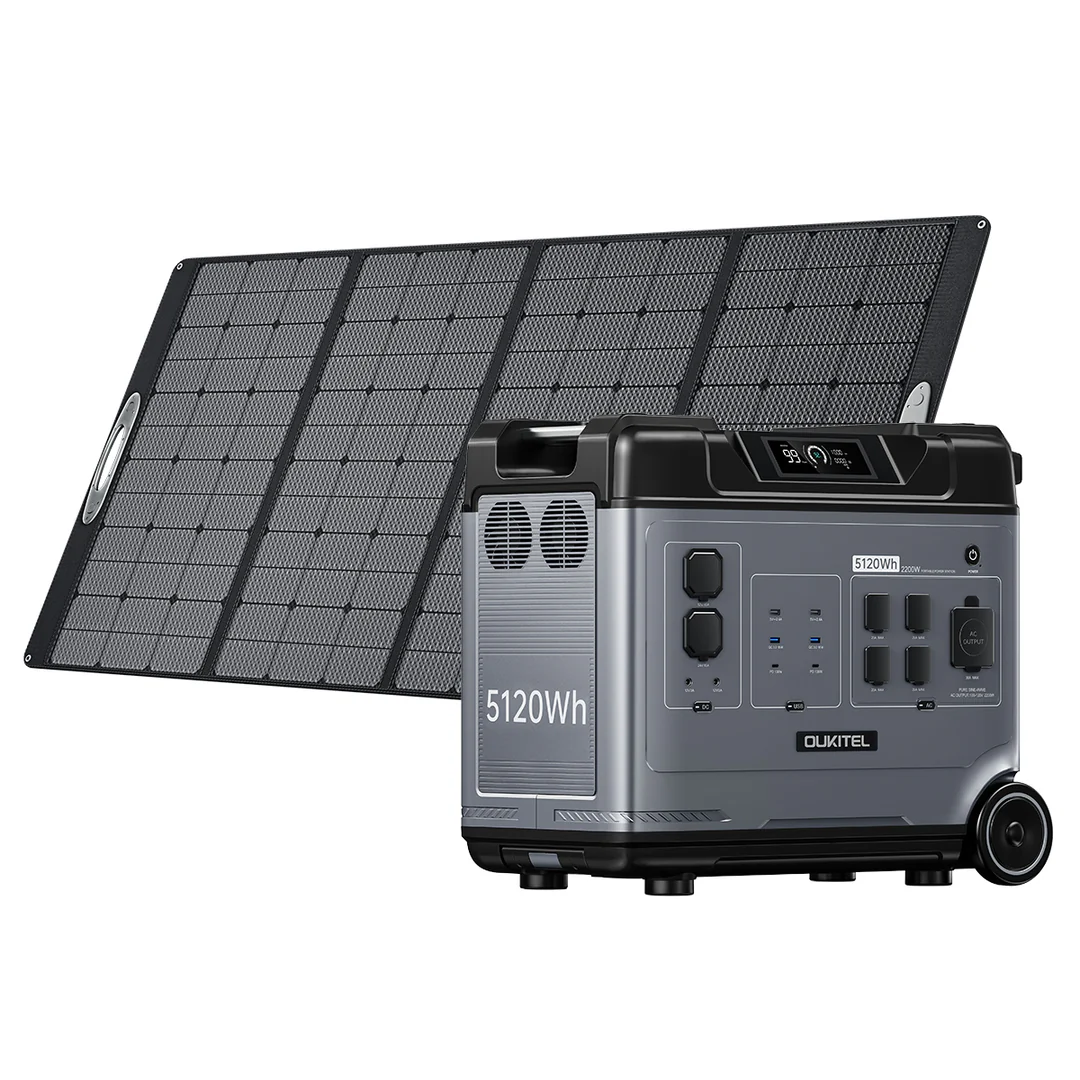
P5000 Series (2200–3600W | 5120Wh)
High-capacity units suitable for multi-day outages and off-grid living.
Real-Life Scenarios & Recommendations
|
Scenario |
Recommended Wattage |
Recommended Capacity |
|
Short blackout |
1200W–1800W |
1000Wh–1500Wh |
|
Multi-day outage |
2400W–3600W |
2000Wh–5000Wh |
|
Camping |
500W–1200W |
500Wh–1000Wh |
|
RV/Van Life |
1800W–2400W |
1200Wh–2048Wh |
|
Off-grid cabin |
2200W–3600W |
3000Wh–5000Wh |
|
Power tools/worksite |
2000W+ |
2000Wh+ |
Frequently Asked Questions
What is a portable power station?
A portable power station is a rechargeable battery-powered generator that provides AC and DC electricity for appliances, electronics, and tools without using fuel or producing fumes.
What is a portable power station used for?
It’s used for camping, road trips, RV power, emergency home backup, worksites, and off-grid living. It supplies electricity safely indoors and outdoors.
How long does a portable power station last?
Depending on capacity (Wh) and appliance wattage, it can power devices from 2–48+ hours. LiFePO4 models last over 3,000+ charge cycles.
Can a portable power station run a refrigerator?
Yes—models with 1500W+ output and 1000Wh+ capacity can power refrigerators and freezers during outages.
How do I recharge a portable power station?
You can recharge via wall outlet, solar panels, or a car charger. Fast-charging models fully recharge in 1.5–2 hours.
Are portable power stations safe to use indoors?
Yes. They produce zero emissions and operate quietly, making them safe for indoor use.
What size portable power station do I need?
- 500–700Wh for small devices
- 1000–2000Wh for camping & RV use
- 2000–5000Wh for home backup


Looking for something else?
mAh to kWh: How to Convert and Understand Battery Capacity
LEARN MORE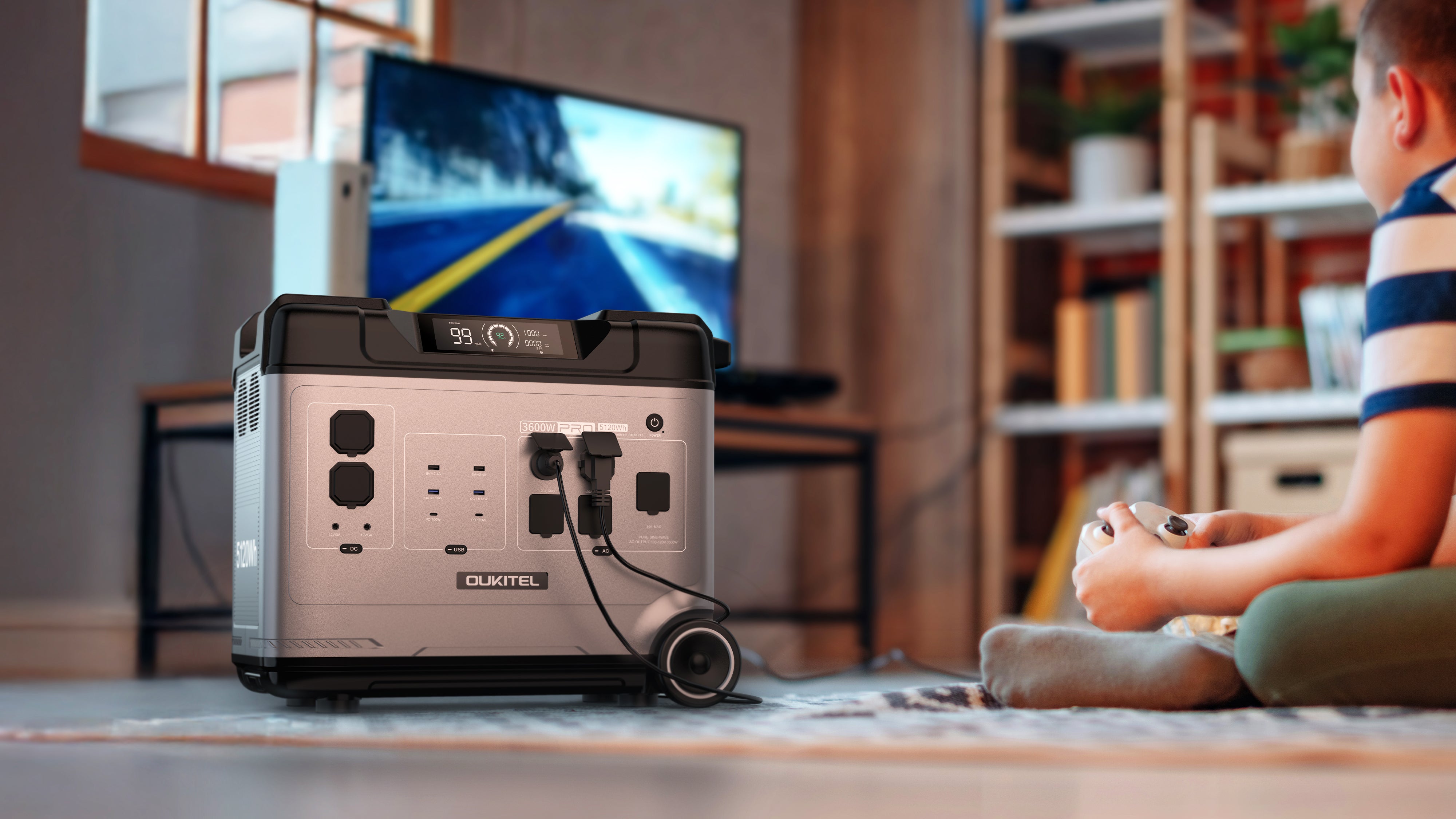
How Many mA in an Amp: Understanding Electrical Conversion
LEARN MORE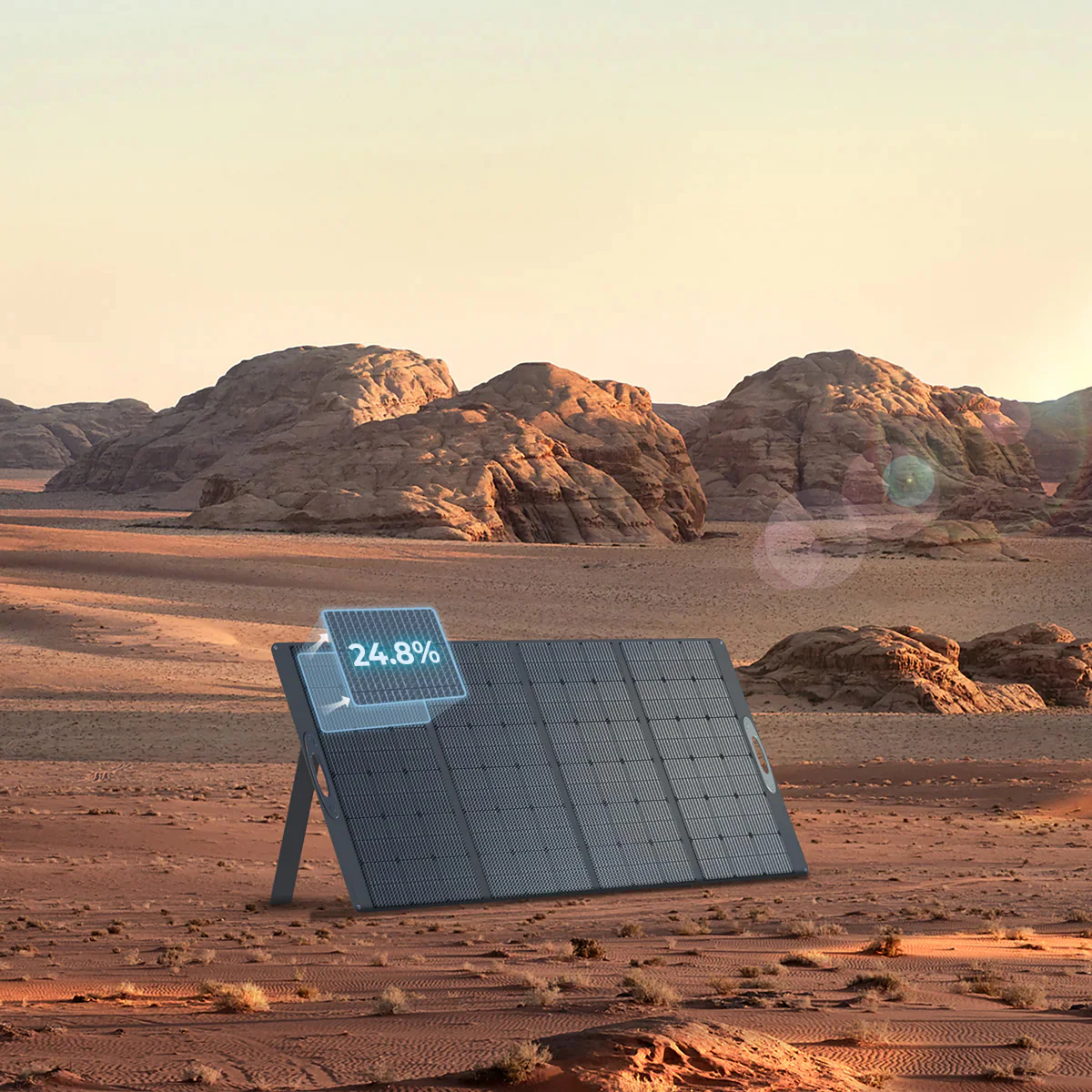
Solar Array Roof: How to Mount on Pitched and Non-Pitched Roofs
LEARN MORE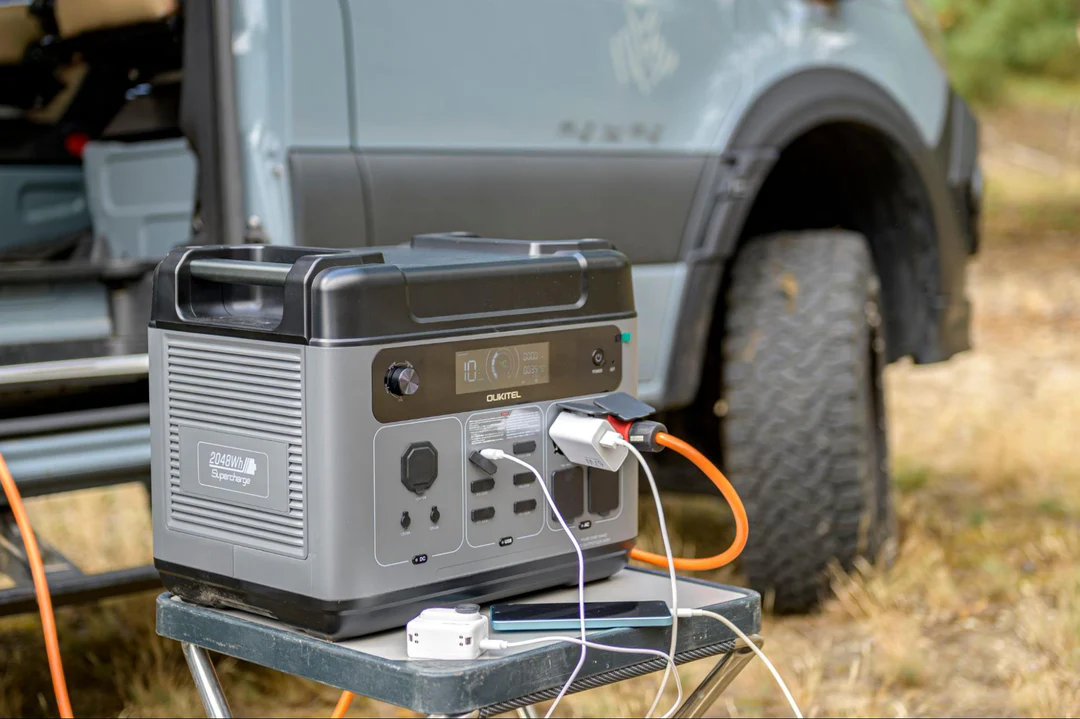
Power Tool Battery Standardization: Benefits and Guidelines
LEARN MORELooking for something else?
What Size Portable Power Station Do I Need: Complete Guide
LEARN MORE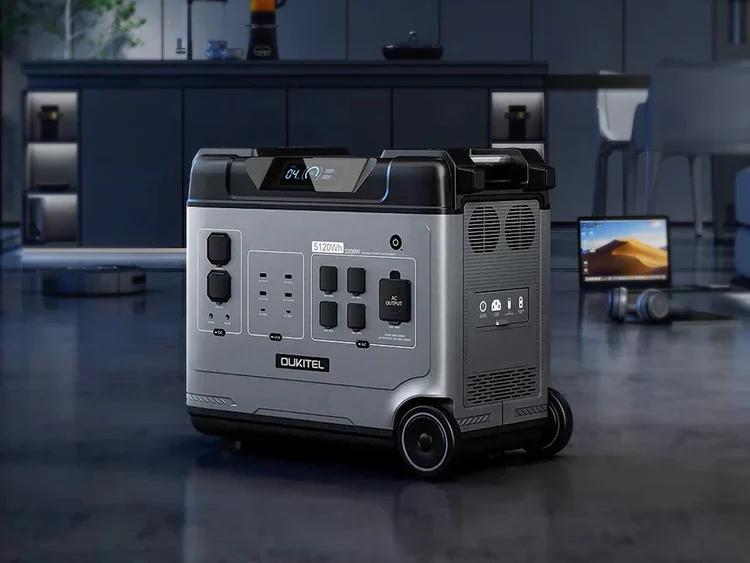
Watts to BTU/hr: How to Convert and Apply the Formula
LEARN MORE
OUKITEL Energy Storage Shines at the 139th Canton Fair, Global Customers Experience Product Strength On-Site
LEARN MOREYou may also like
OUKITEL BP5000 PRO MAX Portable Power Station 5000W | 5120Wh

OUKITEL P2001 Plus+400W Solar Generator

OUKITEL P2001 Plus+2*200W Solar Generator

OUKITEL P2001 Plus+200W Solar Generator
OUKITEL BP3000 Portable Power Station 3200W | 2048Wh

OUKITEL P5000 Pro+400W Solar Generator
Further reading
Portable Power Station for Van Life: 1-7 Day System Sizing Guide
Portable Power Station for Apartment Blackouts: Indoor Backup Guide