

 Flashlight
 Solar
Extension Cable
Solar
Extension Cable


mAh to kWh: How to Convert and Understand Battery Capacity
In an era where we rely on everything from smartphones to full-sized portable power stations, understanding battery capacity has never been more important. You’ve likely seen ratings like 5,000 mAh on a phone power bank and 3.6 kWh on a home backup system. But how do they compare?
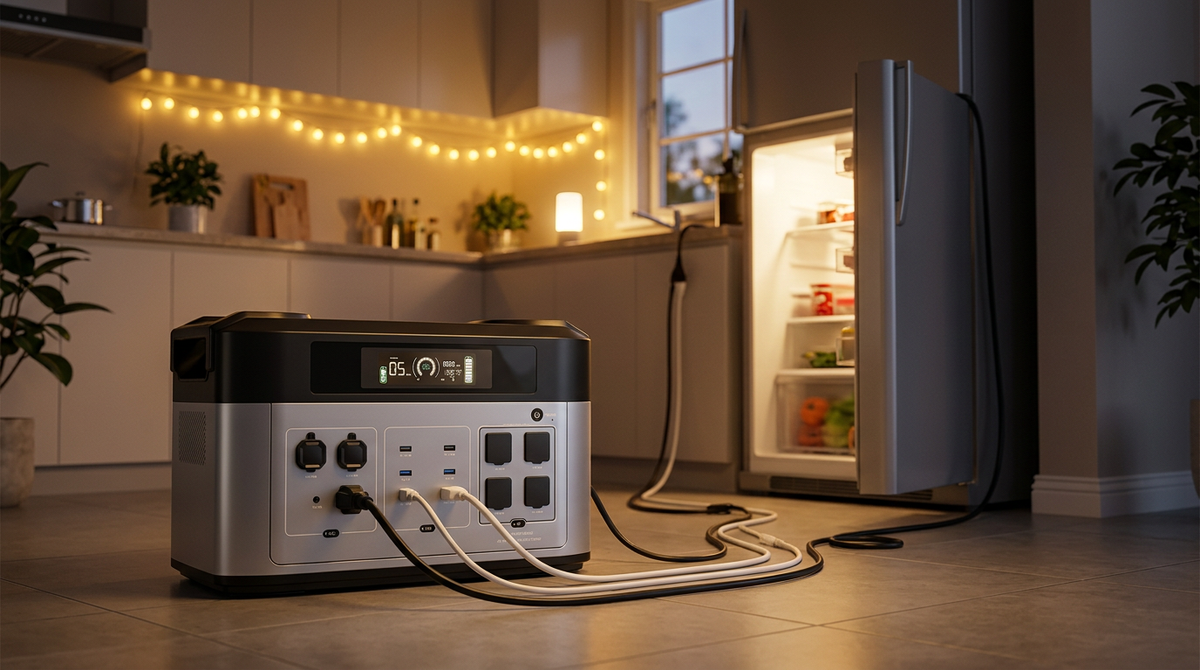
If you are trying to figure out how long a massive battery can keep your fridge running, or if a small handheld charger is enough for your tablet. You need to bridge the gap between milliamp-hours (mAh) and kilowatt-hours (kWh).
This guide will break down the math, explain the "why" behind the units, and show you how to use these conversions to choose the best energy solutions from Oukitel.
Defining the Units: mAh vs. kWh

Before jumping into math. It is essential to understand what these letters actually represent.
What is mAh (Milliamp-Hour)?
A milliamp-hour is a unit of electric charge. It tells you how much "flow" a battery can provide over time.
- Used for: Small electronics like phones, drones, and wireless earbuds.
- Analogy: Think of mAh as the total number of "gallons" of water in a tank, but without knowing the pressure of the hose.
What is kWh (Kilowatt-Hour)?
A kilowatt-hour is a unit of energy. It represents the total work done. One kWh is equal to 1,000 watt-hours (Wh).
- Used for: Home electricity bills. electric vehicles. and portable power stations.
- Analogy: Think of kWh as the total "power" available to do work, combining both the amount of water and the pressure.
The Missing Link: Why Voltage Matters

You cannot convert mAh directly to kWh without knowing the Voltage (V). Voltage is the "pressure" that pushes the charge.
A 10,000 mAh battery at 3.7V (common for phones) has significantly less energy than a 10,000 mAh battery at 12V (common for car batteries). To compare them fairly. We must convert everything to Watt-hours (Wh) or Kilowatt-hours (kWh).
How to Convert mAh to kWh (Step-by-Step)
To go from the small unit (mAh) to the large unit (kWh), follow these three simple steps:
Step 1: Multiply mAh by Volts
This gives you milli-watt-hours.
Step 2: Divide by 1,000
This converts milli-watt-hours into standard Watt-hours (Wh).
Step 3: Divide by 1.000 again
This converts Watt-hours into Kilowatt-hours (kWh).
The Master Formula:
kWh=(mAh×V)÷1.000.000
Real-World Example:
Imagine you have a high-capacity "power bank" rated at 60,000 mAh with a internal voltage of 3.7V.
- $60.000 \times 3.7 = 222.000$
- $222.000 \div 1.000.000 = \mathbf{0.222 kWh}$
How to Convert kWh to mAh

If you are looking at a large portable power station and want to know how many "phone charges" it contains. you might want to convert kWh back to mAh.
The Formula:
$$mAh = (kWh \times 1.000.000) \div V$$
Example:
An Oukitel power station with 2 kWh of capacity operating at a 12V DC output:
- $2 \times 1.000.000 = 2.000.000$
- $2.000.000 \div 12 = \mathbf{166.666 mAh}$
Quick Conversion Tables
To save you the math, here are common conversions based on standard voltages.
Conversion at 3.7V (Standard Internal Lithium-Ion)
|
mAh Rating |
Watt-Hours (Wh) |
Kilowatt-Hours (kWh) |
|
5,000 mAh |
18.5 Wh |
0.018 kWh |
|
10,000 mAh |
37 Wh |
0.037 kWh |
|
50,000 mAh |
185 Wh |
0.185 kWh |
|
270,270 mAh |
1,000 Wh |
1.0 kWh |
Conversion at 12V (Standard Deep Cycle/RV)
|
mAh Rating |
Watt-Hours (Wh) |
Kilowatt-Hours (kWh) |
|
10,000 mAh |
120 Wh |
0.12 kWh |
|
50,000 mAh |
600 Wh |
0.6 kWh |
|
100,000 mAh (100Ah) |
1,200 Wh |
1.2 kWh |
Practical Application: Choosing Your Oukitel Power Station
Understanding these units helps you make a smarter purchase at Oukitel. When you see a power station rated in Wh or kWh. you can now estimate its true potential.
Why we prefer Wh/kWh for Power Stations
mAh is a deceptive unit for large batteries because it changes based on voltage. A "100,000 mAh" battery sounds huge, but if it's only 3.7V. it’s only 0.37 kWh.
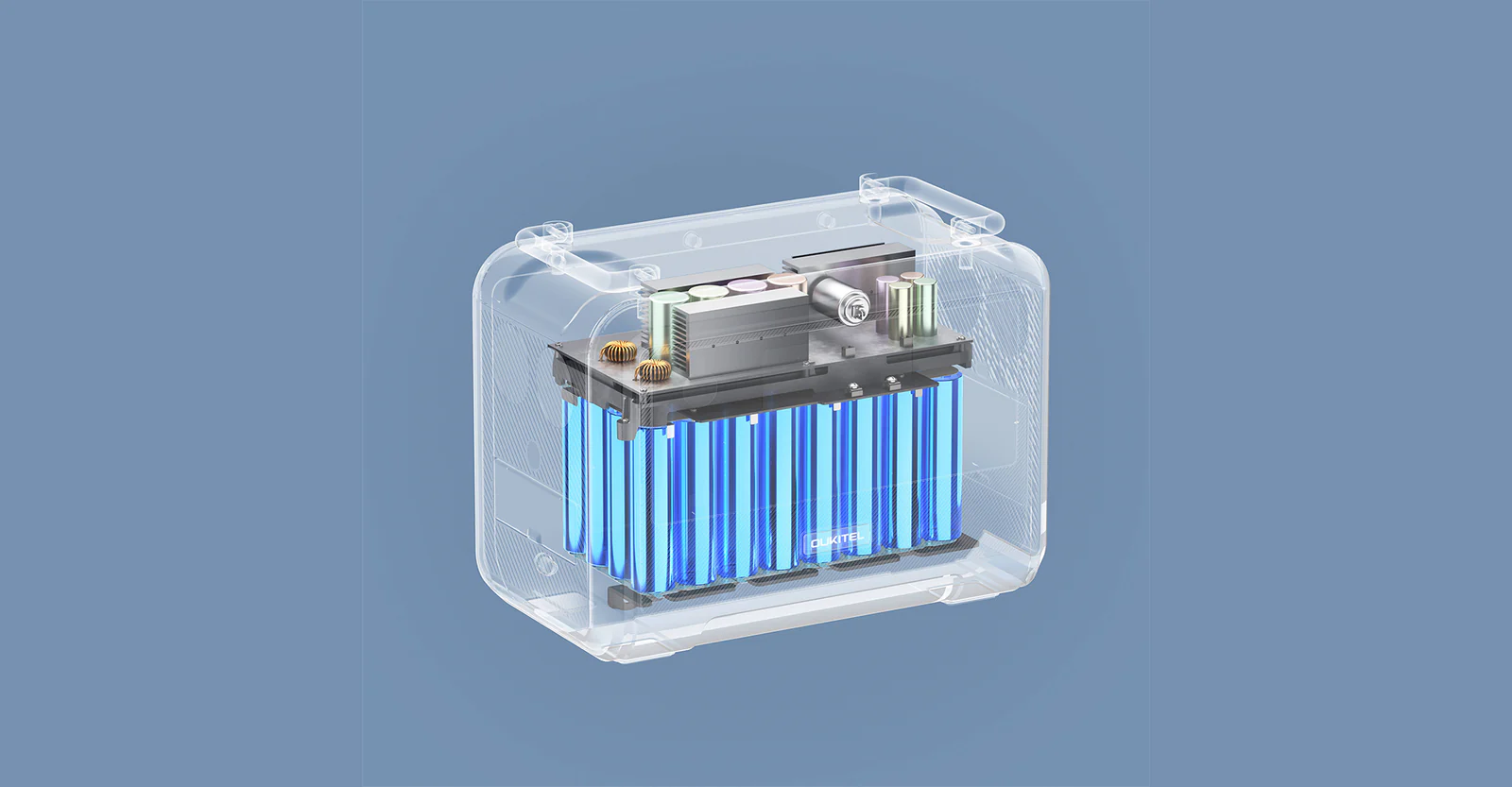
In contrast, a dedicated home backup unit like the Oukitel P5000 is rated at 5,120Wh (5.12 kWh). This unit is designed to handle high-wattage appliances like refrigerators and air conditioners, tasks a "mAh-rated" power bank could never dream of doing.
Calculating Runtime
Once you have the kWh. you can calculate how long your devices will last:Runtime (Hours) = (kWh × 1000 × 0.85) / Device Watts(Note: 0.85 is used to account for energy loss during conversion).
Final Thoughts on Battery Capacity
Whether you are a tech enthusiast, a camper, or someone preparing for emergency power outages, knowing how to convert mAh to kWh allows you to cut through the marketing fluff.
Always look for the Watt-hour (Wh) or Kilowatt-hour (kWh) rating for a true measure of energy. If a manufacturer only provides mAh, make sure to find the voltage so you can do the math yourself.
Ready to find a battery that truly meets your needs? Explore the high-capacity. reliable options at Oukitel Power.
Frequently Asked Questions
Is 10,000 mAh a lot of power?
For a smartphone, yes it will typically charge a modern phone 2 to 3 times. However, in terms of kWh. It is very small (only about 0.037 kWh). It wouldn't even run a standard lightbulb for more than a few hours.
Can I bring a 100Wh battery on a plane?
Most airlines allow batteries up to 100Wh (0.1 kWh) in carry-on luggage. If your battery is rated in mAh. use the formula $(mAh \times V) \div 1000$ to check if it's under the 100Wh limit.
Why do some batteries use Ah instead of mAh?
Ah (Amp-hours) is simply mAh divided by 1,000. It is used for larger batteries (like those in cars or solar systems) to keep the numbers readable. 100,000 mAh is simply 100 Ah.
Does a higher mAh always mean a better battery?
Not necessarily. A higher mAh means more charge, but if the voltage is low, the total energy (kWh) might be less than a battery with lower mAh but higher voltage. Always check the Wh/kWh for the full story.
How do I convert mAh to kWh for a 12V battery?
Multiply the mAh by 12, then divide by 1,000,000. For example, a 20,000 mAh 12V battery is $(20,000 \times 12) \div 1,000,000 = 0.24 kWh$.


Looking for something else?

Volts to Watts: How to Convert and Use a Calculator
LEARN MORE
mAh to kWh: How to Convert and Understand Battery Capacity
LEARN MORE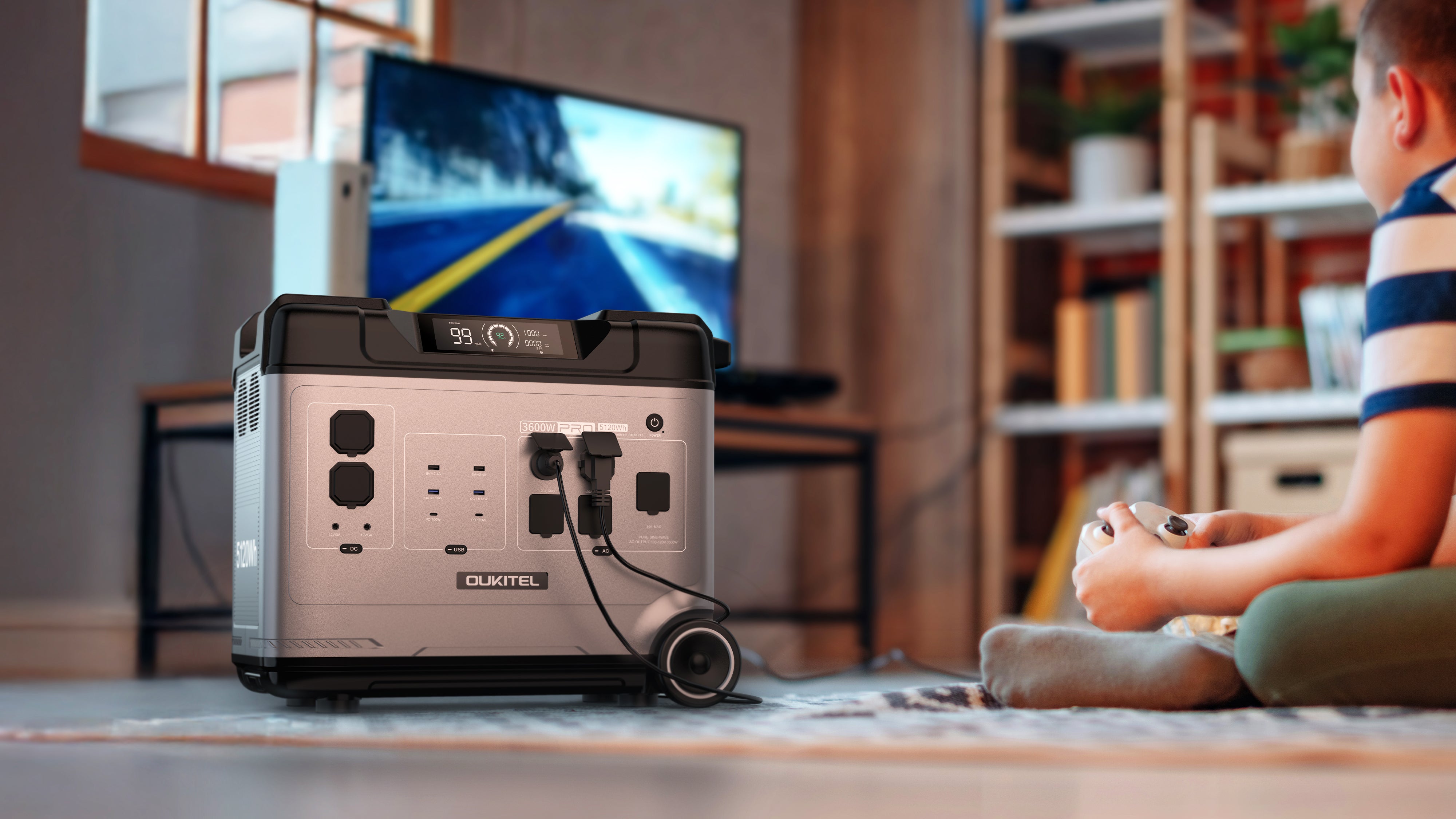
How Many mA in an Amp: Understanding Electrical Conversion
LEARN MORE
Solar Array Roof: How to Mount on Pitched and Non-Pitched Roofs
LEARN MORELooking for something else?
Power Tool Battery Standardization: Benefits and Guidelines
LEARN MORE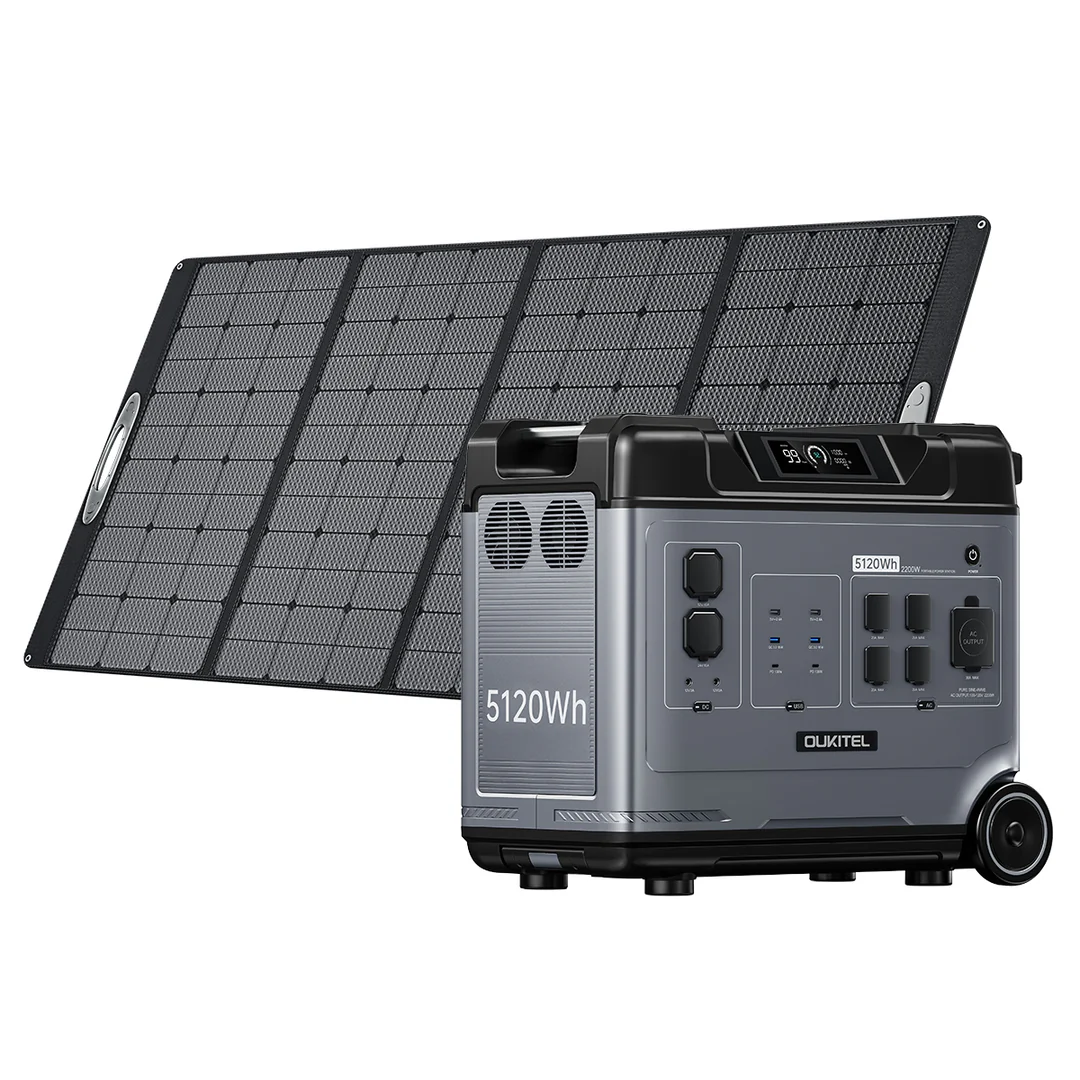
What Size Portable Power Station Do I Need: Complete Guide
LEARN MORE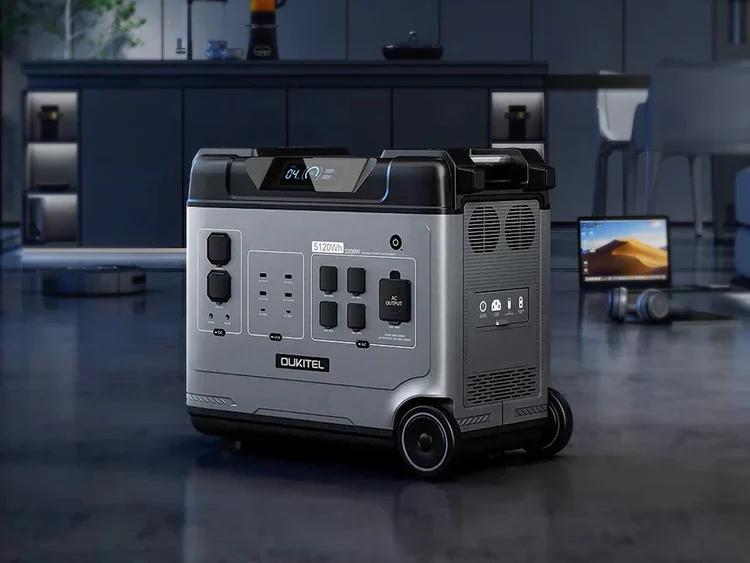
Watts to BTU/hr: How to Convert and Apply the Formula
LEARN MOREYou may also like

OUKITEL C01 Car Jump Starter 1350A | 80Wh | PD60W

OUKITEL BP2000 PRO Portable Power Station 3300W

OUKITEL BP5000 PRO MAX Portable Power Station 5000W | 5120Wh

OUKITEL P2001 Plus+400W Solar Generator

OUKITEL P2001 Plus+2*200W Solar Generator

OUKITEL P2001 Plus+200W Solar Generator
Further reading
Portable Power Station for Apartment Blackouts: Indoor Backup Guide
Best 2000W Portable Power Stations in 2026