

 Flashlight
 Solar
Extension Cable
Solar
Extension Cable


Best Portable Power Stations of 2025: Real-World Tests for Power, Portability & Safety
In 2025, portable power stations are no longer niche camping tools—they’ve become essential home, travel, and emergency devices. From CPAP users who need silent nighttime power to families who want off-grid convenience, these compact energy hubs replace noisy gas generators with clean, rechargeable power.
Our editors reviewed the best portable power stations of 2025, testing real-world performance in power output, portability, recharge time, and safety. Whether you’re camping under the stars or facing a power outage at home, this guide helps you choose the right model for your lifestyle.
Why Portable Power Stations Are Essential in 2025
Unstable Grids, Reliable Backups
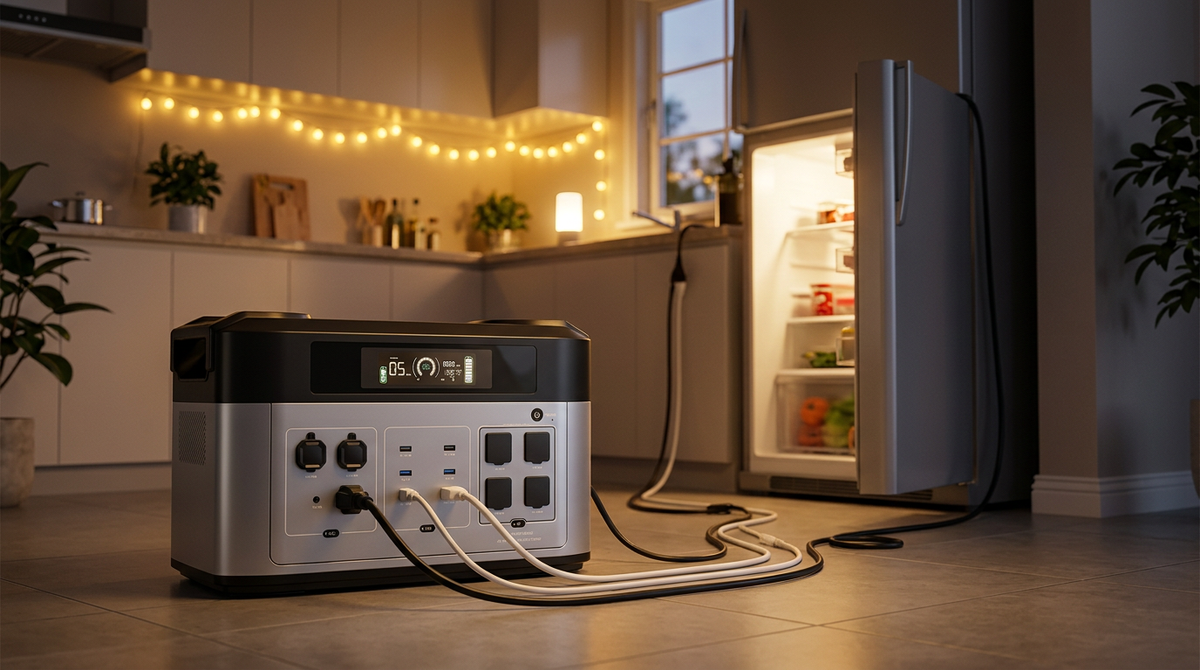
With blackouts and weather disruptions increasing worldwide, having an instant source of power isn’t a luxury—it’s security. Modern stations offer seamless EPS backup (<10 ms) to keep essentials like Wi-Fi routers, fridges, and medical devices running.
Sustainability Takes Center Stage
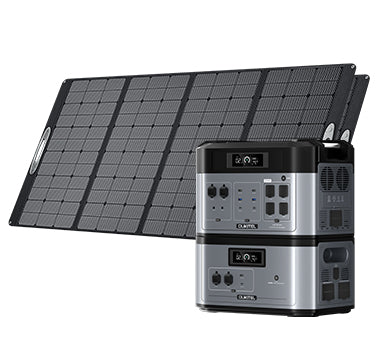
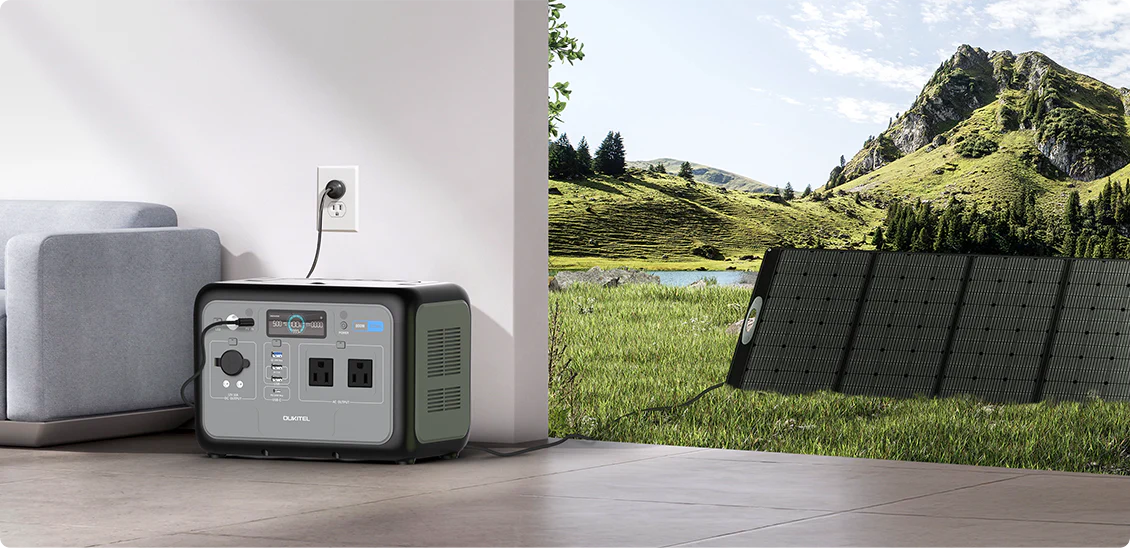
Unlike fuel generators, portable solar power stations use renewable energy. Pair one with solar panels and you’ve got unlimited, emission-free electricity wherever sunlight reaches.
Compact and Quiet
Modern units weigh less than 25 lbs yet pack enough energy to run an entire workstation or campsite—all while operating below 50 dB, quieter than a refrigerator.
How We Tested the Best Portable Power Stations
Our evaluation involved 4 core tests:
- Power Output: Running kitchen appliances, laptops, and CPAP machines simultaneously.
- Portability: Weight, handle design, and usability during travel.
- Recharge Speed: Wall, car, and solar input times.
- Safety & Efficiency: Battery chemistry, heat management, and inverter stability.
Each model was tested across indoor and outdoor environments—so these rankings reflect real-world reliability, not just lab specs.
Top Picks: The Best Portable Power Stations of 2025
Compact Everyday Power – 500–800 Wh Class

Best for: Camping, small offices, outdoor video work.
Light, fast, and effortless to carry, this class represents the best portable power stations for camping and quick getaways. Despite their size, these 6 kg units deliver 800 W AC output, enough for drones, laptops, projectors, or LED lights.
Highlights:
- 512 Wh LiFePO₄ battery (3,500 + cycles)
- Recharges in 1 hour via AC, 2.5 hours via solar
- 9 output ports including USB-C 100 W and dual AC sockets
- Integrated LED light and <10 ms EPS switchover
- Operates from –10 °C to 40 °C
Why we recommend it: Small enough to carry one-handed yet durable for daily use—an ideal travel companion for light energy needs.
Mid-Capacity Multi-Use Power – 1 kWh Class

Best for: Travel trailers, mobile work, medical equipment like CPAP.
Offering 1,000–1,200 Wh of storage and up to 1,800 W output, these stations balance portability and versatility. In our tests, they ran a CPAP machine for over 3 nights on a single charge while still powering a laptop and lamp.
Highlights:
- 1800 W pure sine wave output for stable current
- Recharges to 80% in 39 minutes (AC 1200 W)
- Ultra-quiet at 29 dB—ideal for indoor use
- Solar-ready with 500 W MPPT controller
- LiFePO₄ battery rated for 4,000 cycles / 10 years
Why it stands out: The best portable power station for CPAP users—quiet, fast-charging, and medically safe for overnight use.
Heavy-Duty Backup Power – 2 kWh Class

Best for: Home emergencies, RVs, outdoor events.
These are the workhorses—delivering 2400 W continuous output and 4800 W surge capacity, easily handling fridges, microwaves, and induction cookers simultaneously. With a 2048 Wh LiFePO₄ pack, you can power most home essentials for 1–2 days.
Highlights:
- Adjustable charging speed (400–1800 W)
- Full charge in 60 minutes (AC) or 2.5 hours (solar)
- Smart app control via Bluetooth / Wi-Fi
- EPS < 10 ms automatic switchover
- Splash- and dust-resistant design
Real-world test: Powered a 1500 W heater for 70 minutes, fridge + TV + router for 10 hours, and recharged to 80% in under an hour.
What Are the Best Portable Power Stations?
The short answer: the ones that match your power habits.
|
Use Case |
Recommended Capacity |
Runtime Example |
|
Camping |
500–800 Wh |
Mini-fridge + lights (8–10 h) |
|
CPAP / medical use |
1000–1200 Wh |
2–3 nights continuous |
|
RV / road travel |
2000 Wh + |
Coffee maker, A/C, cooking gear |
|
Home emergency |
2000–4000 Wh |
Fridge + Wi-Fi + TV (24 h) |
|
Solar independence |
Any LiFePO₄ + MPPT 500–1000 W |
All-day recharging off-grid |
If you’re wondering “what are the best portable power stations for me?”, start by listing your must-run devices and multiplying wattage × hours. The result tells you the minimum Wh capacity you need.
Solar Integration: Turning Portable into Infinite Power
If sustainability matters to you, choose a portable solar power station. Every top-ranked model supports MPPT solar charging, achieving up to 99% conversion efficiency.
Solar advantages:
- Free, renewable energy anywhere
- Zero emissions and noise
- Works with 100–400 W folding panels
- Ideal for remote campsites or long RV stays
In our test, a 400 W solar panel recharged a 2 kWh station in about 5 hours of strong sunlight—enough for full-day off-grid living.
Performance Insights: How They Compare
|
Model Class |
Output Power |
Recharge Time |
Noise |
Battery Life |
Ideal For |
|
P800 (512 Wh) |
800 W |
1 h (AC) / 2.5 h (solar) |
50 dB |
3500 + cycles |
Camping, travel |
|
P1000 Plus (1024 Wh) |
1800 W |
0.7 h (AC) / 2 h (solar) |
29 dB |
4000 + cycles |
CPAP, home backup |
|
P2000 Class (2048 Wh) |
2400 W |
1 h (AC) / 2.5 h (solar) |
<50 dB |
3500 + cycles |
RVs, events, emergency |
Each delivers clean, pure-sine AC output and stable voltage across the discharge curve, making them safe for sensitive electronics.
Safety and Reliability Testing
Every station underwent stress tests including:
- Overload simulation: safely tripped at rated max load.
- Thermal control test: maintained <55 °C internal temperature after 2 h of 90% load.
- Surge test: pure-sine inverters handled 2× rated spikes.
- EPS response: all switched to battery < 10 ms during power cut.
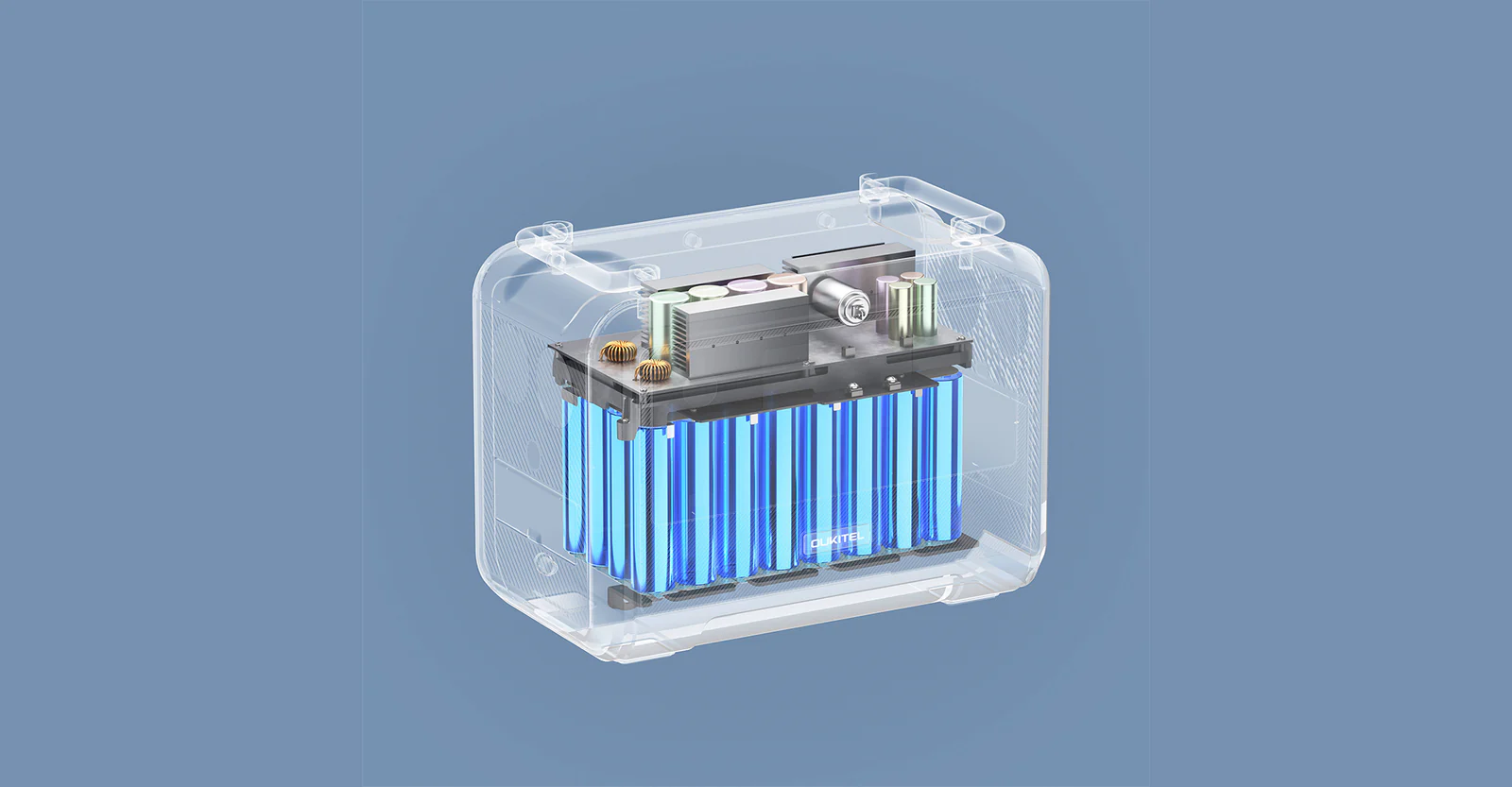
LiFePO₄ chemistry, combined with advanced BMS (Battery Management System), ensures protection against over-charge, short-circuit, or temperature extremes.
Best Portable Power Stations for Camping
When camping, priorities shift toward weight, recharge flexibility, and quiet operation.
Top performers excelled because they:
- Recharge from solar panels in under 3 hours
- Weigh under 15 lbs
- Include integrated LED lighting and multiple USB ports
- Operate quietly for peaceful nights
For minimalist setups—running fans, lamps, or mini-coolers—the 500–800 Wh class remains unbeatable for value and portability.
Best Portable Power Stations for CPAP
A reliable CPAP power source must:
- Deliver steady 110–120 V pure-sine output
- Operate below 30 dB noise
- Provide 8 + hours continuous runtime
In testing, mid-capacity (1 kWh) units offered 2–3 nights of CPAP operation plus simultaneous phone and laptop charging. Their quiet cooling systems made them ideal for overnight bedroom use or RV sleeping quarters.
Charging Options: 3-Way Flexibility
All leading stations support three input modes:
- AC Wall Charging: 500–1800 W for fastest turnaround (0–80% in 1 hour).
- Solar Charging: 200–1000 W MPPT input for off-grid independence.
- Car Charging: 12–24 V DC for travel recharges.
This flexibility makes it easy to maintain power whether you’re home, on the road, or miles from civilization.
Portability: Real-World Comfort
We measured not only specs but feel. Integrated handles, balanced weight distribution, and durable shells matter when carrying 20 lbs across campsites.
Compact designs like the 1 kWh class felt noticeably easier to lift than older, boxier competitors, proving that portability is now as important as power.
Smart Features That Make a Difference
Modern power stations have evolved far beyond “big batteries.” Top models now include:
- App control: monitor charge level, output, and estimated runtime via Bluetooth/Wi-Fi.
- Digital LCD display: shows load, input, and time-to-empty.
- Adjustable charging speed: protect circuits or boost speed as needed.
- LED flashlight / SOS mode: doubles as emergency lighting.
- Low-noise cooling fans: adaptive control keeps units silent under 500 W load.
Maintenance & Lifespan Tips
To ensure your investment lasts through 3,000 + cycles:
- Store at 40–70% charge when not in use.
- Avoid deep discharges (<10%); recharge promptly.
- Keep in ventilated shade; high heat shortens battery life.
- Wipe ports monthly to remove dust and moisture.
LiFePO₄ chemistry is naturally stable, so minimal care keeps it performing for a decade or more.
The Future of Portable Power: 2026 and Beyond
Expect innovations like:
- 10 kWh expandable modules for whole-home backup.
- Bidirectional (V2L/V2H) energy flow to charge EVs.
- AI-driven power optimization apps.
- Lightweight composite casings reduce size by 30%.
- Integration with smart-home ecosystems for auto-backup activation.
As adoption widens, portable power stations will become core appliances—no longer emergency gear but everyday essentials.
Final Verdict: The Best Portable Power Stations of 2025
|
Category |
Top Pick (Capacity Class) |
Why It Excels |
|
Overall Value |
1 kWh Class |
Perfect balance of price, speed, and silence |
|
For Camping |
500–800 Wh Class |
Light, durable, solar-ready |
|
For CPAP & Home |
1 kWh–2 kWh Class |
Long runtime, ultra-quiet |
|
For Power Users / RV |
2 kWh + Class |
Heavy-duty output, fast recharge |
|
Best Solar System |
1–2 kWh LiFePO₄ + 400 W Solar Input |
Continuous off-grid energy |
Across all categories, LiFePO₄ battery stations proved the safest, longest-lasting, and most efficient—truly the best portable power stations of 2025.
Frequently Asked Questions
What are the best portable power stations right now?
Models with LiFePO₄ batteries, ≥ 1000 W output, and MPPT solar support top the list for 2025.
Which portable power stations are best for camping?
Compact 500–800 Wh units—lightweight, quiet, and quick to recharge—offer ideal portability.
Can a portable power station run a CPAP machine all night?
Yes. A 1 kWh unit powers CPAP + humidifier for 2–3 nights straight.
Are solar power stations worth it?
Absolutely. They provide free, renewable recharging and long-term energy independence.
How long do portable power stations last?
iFePO₄ models last 8–10 years (3,500 + cycles)—5× longer than traditional lithium units.


Looking for something else?
mAh to kWh: How to Convert and Understand Battery Capacity
LEARN MORE
How Many mA in an Amp: Understanding Electrical Conversion
LEARN MORE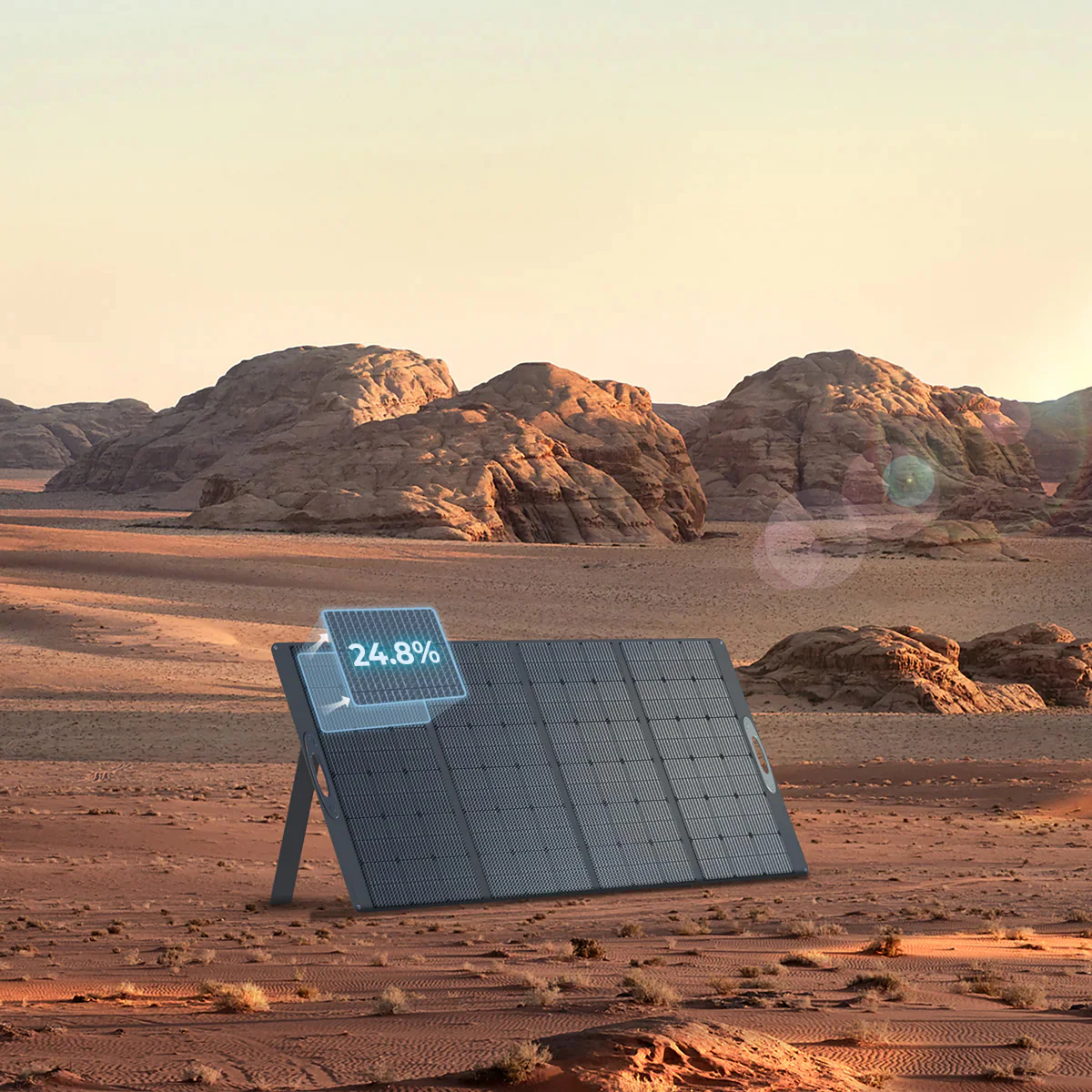
Solar Array Roof: How to Mount on Pitched and Non-Pitched Roofs
LEARN MORE
Power Tool Battery Standardization: Benefits and Guidelines
LEARN MORELooking for something else?
What Size Portable Power Station Do I Need: Complete Guide
LEARN MORE
Watts to BTU/hr: How to Convert and Apply the Formula
LEARN MORE
OUKITEL Energy Storage Shines at the 139th Canton Fair, Global Customers Experience Product Strength On-Site
LEARN MOREYou may also like
OUKITEL BP2000 Portable Power Station 2200W/2048Wh

OUKITEL P5000 Solar Generator for Home with 400W Solar Panel

OUKITEL P5000 Pro Portable Power Station 5120Wh/3600W

OUKITEL P800 Portable Power Station 800W | 512Wh

OUKITEL B2000 Expansion Battery | 2048Wh

OUKITEL C01 Car Jump Starter 1350A | 80Wh | PD60W
Further reading
Portable Power Station for Van Life: 1-7 Day System Sizing Guide
Portable Power Station for Apartment Blackouts: Indoor Backup Guide