








 Flashlight
 Solar
Extension Cable
Solar
Extension Cable


What Size Solar Generator Do You Need? 2026 Sizing Guide by Real Use Case
What size solar generator you need really hangs on two things, and the number stamped across the front of the box isn't really one of them. It comes down to what you'll plug in, and how ugly the outage gets. The arithmetic stays simple: add up the watts you'll pull at once, multiply by the hours, pad it by a third to a half, and that drops you into a battery class.
A weekend in a tent with a fridge, a couple lights, a phone or two? A 1,000Wh unit shrugs that off. Two days of keeping the house alive is a whole other thing, 2,000Wh before you've even finished the list. And a full week off-grid for the entire place lands you in 5,000Wh country, with maybe 400W of panel topping it back up every afternoon.
We've sized a few hundred of these since 2022, hurricane kits, RV builds, off-grid cabins, you name it. The same misstep shows up over and over: people lock onto one number and call it a day. It was never one number. It's three, and they don't even point the same direction. Continuous watts. Surge watts. Watt-hours. Miss any single one of them and the box landing on your porch is the wrong box.
So here's what's coming: the sizing math in three steps, the scenarios people actually shop for with the size that fits each one, panel pairings that keep a unit fed indefinitely, and the OUKITEL we'd put in each buyer's hands.
How Do You Size a Solar Generator? The 3-Step Method

Alt: Three-step method for sizing a solar generator by continuous load and watt-hours
Three numbers. Three steps. Don't skip any of them.
Step 1: List Your Continuous Loads in Watts
Grab a notepad. Walk the house, or the campsite, whichever one you're powering, and write down every single thing you'd genuinely flip on when the power quits. The running watts? Hiding in plain sight, on a sticker inside the fridge door, around the back of the TV, on the underside of the laptop brick. Sticker long gone? Clamp a meter on the cord for half a minute while it runs and there's your answer. And for the stuff that's stubbornly unlabeled, the DOE's appliance energy guide gets you close enough.
Rough numbers for the usual suspects:
-
Full-size fridge: figure 100-200W while it cycles, then brace for a 600-800W jab the second the compressor wakes up
-
Router and modem? Rounding error, 10-20W between the pair of them
-
Four to six LED bulbs, evenings only, run 30-60W
-
Laptop and a monitor together: somewhere in the 60-150W band across a workday
-
CPAP overnight lands anywhere from 30 to 100W, depending on the humidifier
-
Microwave's a 700-1,100W spike, but only for the minute it's actually running
-
Coffee maker, mid-brew: 600-900W
Step 2: Calculate Your Daily Watt-Hour Budget
Now a little multiplication. Each thing's watts times the hours it'll really run, summed straight down the column. That sum is your daily watt-hour budget, the whole ballgame. Campers running light usually settle somewhere around 500-800Wh a day. Pile on a fridge, the router, lights, a few phones at home, and you've drifted up toward 1,500 to 2,500Wh instead.
Step 3: Pad Capacity 30-50% Above That Budget
Here's the rule we lean on for basically every call that comes in. Take that daily budget and pad it, 30 to 50 percent on top. The cushion soaks up compressor cycling, the odd surge, and the way solar quietly underdelivers on a gray, miserable afternoon. Wherever you land after that, that's the battery to aim for.
|
Daily Wh Budget
|
Padded Target
|
Battery Class
|
|
500-800 Wh
|
800-1,200 Wh
|
1,000Wh class (P1000 Plus)
|
|
1,000-1,500 Wh
|
1,500-2,200 Wh
|
2,000Wh class (BP2000)
|
|
1,500-2,500 Wh
|
2,500-3,500 Wh
|
2,000-3,000Wh + expansion
|
|
2,500-4,000 Wh
|
4,000-5,500 Wh
|
5,000Wh class (P5000)
|
|
4,000Wh+
|
6,000-10,000 Wh
|
5,000Wh + expansion batteries
|
The inverter's a separate question entirely. Match it to your single hungriest steady load, then leave 30 percent on top for the startup surge. Got a 1,200W microwave? You want 1,500W rated, and that's the floor, not the target. Step up to a 2,000W induction burner and suddenly you're shopping 2,500W-class units or bigger.
What Size Solar Generator Do You Need for Different Use Cases?

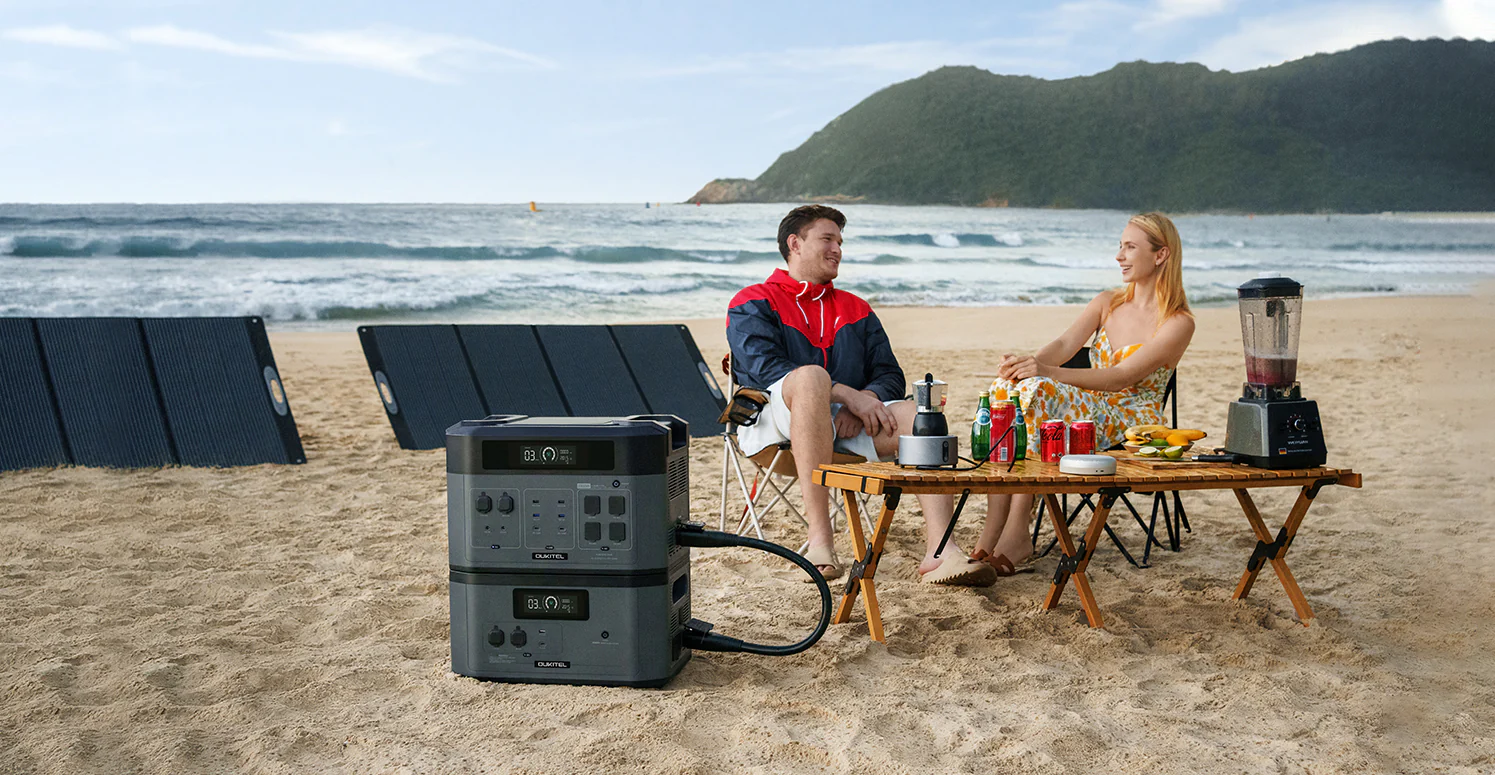
[IMAGE: Alt: Solar generator use cases from camping to whole-home backup sized by scenario | 4:3]
Same three numbers, wildly different jobs. This is the cheat sheet we hand the folks who'd rather not build a spreadsheet on a Saturday.
|
Scenario
|
Suggested Battery
|
Suggested Inverter
|
|
Weekend tent camping (lights, phones, small fridge)
|
500-1,000 Wh
|
500-1,000 W
|
|
RV or van life (fridge, fan, charging, lights)
|
1,000-2,000 Wh
|
1,500-2,000 W
|
|
Single-room home office backup
|
500-1,000 Wh
|
1,000 W
|
|
Refrigerator-only outage backup
|
1,500-2,000 Wh
|
1,500 W
|
|
Two-day full home essentials
|
2,000-3,000 Wh
|
2,000-2,500 W
|
|
Week-long grid-down (with solar)
|
5,000 Wh+ with 400W panels
|
2,200 W+
|
|
Off-grid cabin partial home
|
5,000-10,000 Wh expandable
|
3,000-5,000 W
|
|
Whole-home including 240V loads
|
10,000-19,000 Wh expandable
|
5,000 W split-phase
|
Thousands of these conversations in, the same thing keeps proving itself true. The guy staring down a one-day blip doesn't need a 5kWh beast, and nobody white-knuckles a hurricane week on 500Wh. Size it to the job actually in front of you and pocket whatever's left. And if a spreadsheet sounds like a genuinely miserable evening, our Portable Power Station Calculator crunches the sums for you.
What Size Solar Generator Do You Need for a Refrigerator?
[IMAGE: Alt: Full-size refrigerator running on a solar generator during a home power outage | 4:3]
A regular full-size fridge wants 1,000-1,500Wh sitting behind a 1,500W inverter, and that's the floor, not the goal. It'll carry you through a one-day outage with enough left over to keep phones topped off on the side. Want two days of cold food? Bump that floor up to 2,000Wh. And for a week with the sun pitching in, a 2,000Wh battery paired with 200-400W of panel will see the whole thing through.
Real numbers off our customer logs, fridge-only:
-
100W fridge cycling on a 1,024Wh battery: 24-26 hours of actual cooling
-
Same fridge, bump up to a 2,048Wh unit, and you're holding 50-52 hours
-
French door models run hotter at 150W cycling, so call it 30-35 hours on 2,048Wh
-
Clip a 200W panel onto any of those and a sunny day just keeps stretching it
The thing almost nobody factors in is cycling. A fridge isn't running flat-out, ever. The compressor only kicks on maybe 30-40 percent of any given hour, which is the exact reason a 1kWh battery buys you a full day rather than the 10 hours the napkin math threatens. FEMA's outage guidance pegs 4 hours as the safe window for a closed fridge once the power's off. After that, you need something keeping it cold. Our fridge sizing guide digs deeper into the math if that's your thing.
What Size Solar Generator Powers a Whole House Through an Outage?

[IMAGE: Alt: Whole-house solar generator backup with expansion batteries in a home utility area | 4:3]
This one gets slippery fast, mostly because "whole house" means a wildly different thing depending on who you ask.
Stick to the essentials, your fridge, freezer, lights, the router, phones, a CPAP, and you're in the 3,000-5,000Wh range behind a 2,000-3,000W inverter. The minute HVAC enters the chat, the math swells to 8,000-15,000Wh and a 5,000W-plus inverter. But the real dividing line was never capacity. It's voltage, 240V specifically.
Electric stoves, dryers, well pumps, central AC, every last one of them needs split-phase 120/240V, and your average portable simply doesn't make power like that. That's the exact moment a split-phase unit like the BP5000 Pro Max stops looking like overkill and starts being the only thing that'll actually do the job.
|
House Coverage
|
Battery Target
|
Inverter Rating
|
|
Essentials (fridge, lights, electronics)
|
3,000-5,000 Wh
|
2,000-3,000 W
|
|
Essentials + small window AC
|
5,000-8,000 Wh
|
3,000-5,000 W
|
|
Most rooms minus HVAC
|
8,000-15,000 Wh
|
5,000-7,000 W
|
|
Full home with 240V loads (stove, well pump)
|
10,000-19,000 Wh
|
5,000 W split-phase
|
|
Full home including central HVAC
|
15,000-30,000 Wh
|
7,000-10,000 W
|
Your average American home chews through roughly 30 kWh a day. That one fact is why "run the whole house for a week" almost always shrinks, quietly, into "run the essentials for a week" the moment somebody glances at the price tag. Most people shopping "whole-house" are really after essentials coverage anyway, HVAC politely left off the list.
Which OUKITEL Solar Generators Match Each Use Case?
Four units span the range most people actually need. The chemistry's the same all the way up, LiFePO4 rated past 3,000 cycles to 80 percent, but each capacity tier is built with a different job in mind.
OUKITEL P1000 Plus: Best for Camping and Single-Load Backup

Alt Text: OUKITEL P1000 PLUS Portable Power Station 1800W/1024Wh
Start with the OUKITEL P1000 Plus. You get 1,024Wh feeding an 1,800W continuous inverter, and 3,600W of surge sitting in reserve for the moment a motor or compressor kicks on. Plug it into the wall and it's back to 80 percent in under 40 minutes. The thing barely makes a sound either, 29dB under a 500W load, and at around 26 pounds you can lug it between campsites without wrecking your back. Check current pricing on the product page.
OUKITEL BP2000: Best for Multi-Day Home Essentials
The OUKITEL BP2000 opens at 2,048Wh and climbs to 16,384Wh once you start stacking B2000 batteries onto it. Its 2,200W continuous output, backed by 4,400W of surge, takes a standard fridge compressor in stride. Recharge runs 0 to 80 percent in about 90 minutes. When someone needs a day or two of essentials covered, this is the first unit we hand them.

Alt Text: OUKITEL BP2000 Portable Power Station 2200W/2048Wh
OUKITEL P5000: Best for Week-Long and Partial-Home Backup
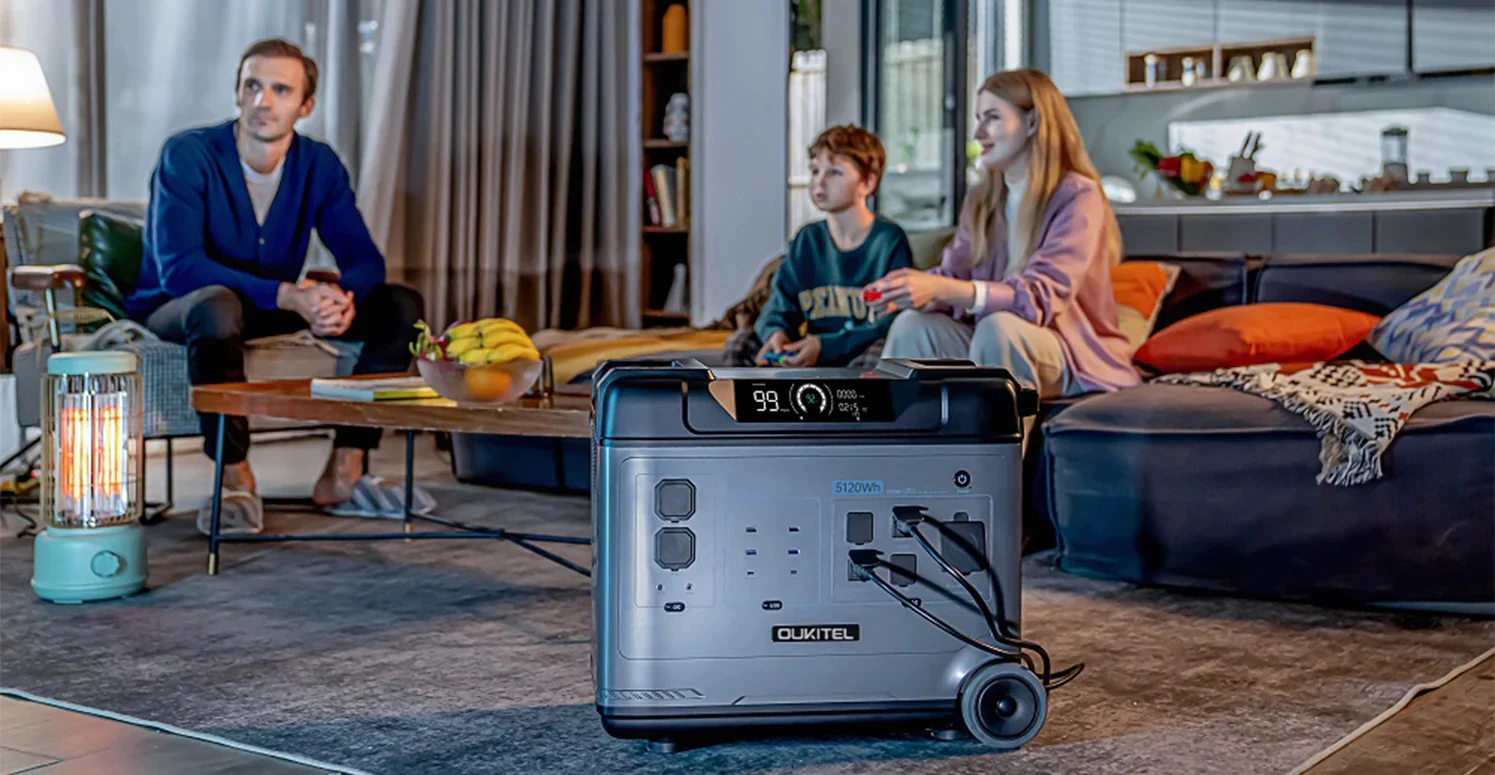
Need more runway? The OUKITEL P5000 carries 5,120Wh behind that same 2,200W inverter, this time rated to 4,000W surge. Two things make it pull its weight when an outage really drags on: a fast 1,800W AC input that refills it quickly, and sub-10ms EPS switchover that keeps sensitive gear from ever noticing the grid dropped. Check current pricing on the product page.

Alt Text: OUKITEL P5000 Portable Power Station 5120Wh/2200W
OUKITEL BP5000 Pro Max: Best for Full-Home and Workshop
Then there's the OUKITEL BP5000 Pro Max, the heavy hitter of the bunch. 5,000W continuous. 9,000W surge. A 5,120Wh base that stretches all the way to 19,456Wh across as many as seven B2000 packs. But the spec that actually sets it apart is 120/240V split-phase output, the one thing that lets a portable run 240V gear, your well pump, your electric range. When essentials-only coverage isn't enough, this is the unit we steer full-home planners toward.

Alt Text: OUKITEL BP5000 PRO MAX Portable Power Station 5000W | 5120Wh
|
Spec
|
P1000 Plus
|
BP2000
|
P5000
|
BP5000 Pro Max
|
|
Capacity
|
1,024 Wh
|
2,048 Wh
|
5,120 Wh
|
5,120 Wh (to 19,456Wh)
|
|
AC continuous
|
1,800 W
|
2,200 W
|
2,200 W
|
5,000 W
|
|
AC surge
|
3,600 W
|
4,400 W
|
4,000 W
|
9,000 W
|
|
Output
|
120V
|
120V
|
120V
|
120/240V split-phase
|
|
Best use
|
Camping, single load
|
2-day essentials
|
Week-long backup
|
Full home or workshop
|
|
Price
|
Check pricing
|
Check pricing
|
Check pricing
|
Check pricing
|
On the safety side, the EPA publishes end-of-life recycling guidance for lithium-ion batteries, and across the brands we've run since 2020, LFP's stability record has held up well.
How Many Solar Panels Should You Pair With Each Generator Size?
People lowball panels constantly. The marketing shot shows one folding panel powering a whole campsite, and then reality turns up a good deal harsher.
Take a 100W panel under clean midday sun. After derate, you're really pocketing maybe 60-75W of usable charge. A 200W panel rides 120-150W through the four-hour peak around noon. A 400W? Call it 240-300W in that same window. The DOE's home solar planning resources break the regional derate factors down if you want to wade into the weeds.
Panel pairings for runtime that won't quit on you:
-
500-1,000Wh battery: a 100-200W panel keeps phones and lights breathing
-
For a 1,000-2,000Wh battery, 200-400W covers the fridge plus lights plus phones
-
Once you're sitting at 2,000-5,000Wh, plan on 400-600W to handle the fridge, a CPAP, and the small stuff
-
Anything 5,000Wh and up, you're looking at 600-1,000W of panel to keep partial-home loads alive in decent sun
For storm-prone country, FEMA flags battery backup as essential outage prep. Solar earns its keep most when the grid stays down for days instead of hours.
How to Calculate Your Exact Solar Generator Size in 3 Steps
Run these three numbers any time somebody asks you the sizing question:
-
Add up your continuous loads in watts. Fridge 100W, router 15W, lights 30W, a CPAP at 50W, so roughly 195W ticking along steady. Multiply that by the hours per day and you've got your daily Wh budget.
-
Pad that budget 30-50 percent. A fridge cycling 30 percent of the day only eats about 720Wh, nowhere near the 2,400Wh the raw math waves at you. Add the rest and you're sitting near 1,360Wh a day.
-
Match the inverter to your biggest single load, plus 30 percent surge. That 1,200W microwave needs a 1,500W inverter behind it, and that's the floor.
For most US households running a day or two of essentials, the BP2000 is the default. Grid-down weeks or partial-home coverage point at the P5000. Weekend camping or a single-room setup, the P1000 Plus has it handled. And full homes with 240V gear, that's the BP5000 Pro Max.
FAQs
How large of a solar generator do I need?
Honestly, it comes down to two things: what you're plugging in, and how long the power's out. Camping for the weekend barely asks anything of a unit, so 500-1,000Wh with a 1,000W inverter has you covered.
Backing up the house for a single day is a step up from there, into the 1,000-1,500Wh range behind a 1,500W inverter. Once you're staring down a multi-day grid-down stretch, you want 2,000-5,000Wh and a 2,000-3,000W inverter doing the work. And keeping a household's essentials alive for a full week? That's 5,000Wh territory and up, with solar carrying part of the load.
Rough guide by how long you're without power, for a typical US home:
-
One load over a weekend camp sits at 500-1,000Wh
-
A 24-hour outage wants 1,000-1,500Wh behind it
-
Stretch to 48 or 72 hours and you're at 2,000-3,000Wh
-
A full week, sun on the panels: 5,000Wh plus a 400W panel
-
Whole home with 240V gear is a different league, 10,000Wh and up, expandable
The instinct to just grab the biggest one usually backfires. Right-size it and keep the rest of the cash.
Will a 2000 watt solar generator run a refrigerator?
No problem at all. Most residential fridges spike to 600-800W when the compressor first kicks, and a 2,000W inverter clears that with 2.5 to 3.3x to spare. After the startup jolt, the thing settles into a lazy 50-200W while it cycles, so on a unit this size the inverter is almost never what holds you back.
The real question is the battery sitting behind it:
-
Pair that 2,000W inverter with a 1,000Wh battery and you've got roughly a day of fridge
-
Double the battery to 2,000Wh and you're closer to 48 hours
-
Sit it on a 5,000Wh pack and you're looking at five days or so
-
Clip on a 200W panel and a decent sunny day keeps stretching it
Think of the inverter as the pipe and the battery as the tank. One without the other doesn't get you far.
What will a 3000 watt solar generator run?
Plenty, just one heavy thing at a time. That 3,000W rating shrugs off most single residential loads, a microwave and coffee maker going at once, a full-size induction burner, a central vac, the big power tools. Where it starts to choke is when you stack two 1,500W-plus loads on top of each other.
Realistic 3000W jobs:
-
Full residential fridge and freezer humming side by side
-
Microwave, coffee maker, and a fridge cycling away in the background
-
Bigger window AC units on startup, the 5,000-12,000 BTU range
-
Most power tools, circular saws and chop saws included
-
A small RV air conditioner, assuming there's a soft-start kit on it
Battery capacity still decides how long you actually get out of it.
What is the 20 20 20 rule for generators?
It's maintenance shorthand straight out of the small-engine world. Every 20 hours of runtime, you check the oil, the filter, and the overall condition. Let any of those slide and engine life falls off a cliff. The CPSC publishes current generator safety guidance for combustion units, worth a read if you're running gas.
Modern LiFePO4 solar generators sidestep nearly all of it:
-
No oil, no fuel, nothing moving except a little cooling fan
-
Run it up to 100 percent then deep-discharge it once every three months
-
Keep the firmware current through the app
-
Long-term storage, just park it at 50-80 percent
LFP chemistry handles 3,000-plus cycles to 80 percent capacity, and there's not a service interval in sight.
Why keep generators 20 feet away from the house?
Carbon monoxide, plain and simple. Gas and propane generators throw off CO you can't see or smell, and in a closed space it's lethal. The CPSC's 20-foot rule, exhaust aimed away from the house, keeps the concentration under dangerous levels even when the wind decides to shift on you.
None of that applies to a solar generator or portable power station:
-
Nothing's burning, so there's zero CO
-
Generally fine to run indoors, in a tent, in an RV
-
No fuel sitting around, no fumes, no carbon
-
Pure sine wave output, same as the wall socket
Indoor operation is honestly one of the biggest reasons people make the jump from gas to solar.
What size solar generator do I need for camping?
Most camping loads, lights, phones, a small fridge, maybe a fan, sit fine on 500-1,000Wh and a 1,000-1,500W inverter. Two campers running phones, LED string lights, and a 12V fridge over a weekend burn through maybe 300-500Wh a day. A full week of that wants 2,000-3,000Wh, or solar topping it back up daily.
Camping setups we size all the time:
-
Two people, weekend, tent: 500-800Wh
-
Family of four for a weekend: 1,000Wh and a 100W panel
-
Full-time RV or van life: 1,500-3,000Wh plus a 200W panel
-
Off-grid cabin for a week: 5,000Wh and a 400W panel
Tack on 30 percent capacity for cold weather, which quietly murders battery efficiency.
What size solar generator do I need to run a whole house?
Depends what "whole house" means for you. Essentials only, fridge, lights, router, phones, CPAP, runs on 3,000-5,000Wh and a 2,000-3,000W inverter. Throw in a window AC and you're at 5,000-8,000Wh. Add 240V gear like a well pump or an electric range and now you need a split-phase unit somewhere in the 10,000-19,000Wh range.
Sized by what stays on:
-
Just fridge, lights, phones: 2,000-3,000Wh
-
Add the router and work computers: 3,000-5,000Wh
-
Add a window AC: 5,000-8,000Wh
-
Full home with 240V loads: 10,000-19,000Wh, split-phase
Most "whole house" shoppers actually need essentials coverage, not the whole enchilada.
How do I calculate the right solar generator size for my appliances?
Three steps, the same ones we walk every customer through. List each load with its running watts, multiply by the hours per day, add the column up for a daily Wh number. Then pad it 30-50 percent for the battery target.
Worked example, a typical two-day home backup buyer:
-
Fridge, 100W cycling 30 percent over 24 hours: 720Wh a day
-
WiFi router, 15W across 24 hours: 360Wh a day
-
LED lights, 50W over 5 evening hours: 250Wh a day
-
Phones, 10W across 3 hours of charging: 30Wh a day
-
Daily total: 1,360Wh
Two days times a 1.3 padding factor lands around 3,540Wh as the target. A 2,048Wh BP2000 covers one full day; add a B2000 expansion battery to reach the two-day number.
Sources
-
U.S. Department of Energy (DOE), Estimating Appliance and Home Electronic Energy Use (2024)
-
U.S. Consumer Product Safety Commission (CPSC), Carbon Monoxide Information Center
-
U.S. Environmental Protection Agency (EPA), Used Lithium-Ion Batteries (2024)
-
U.S. Department of Energy (DOE), Planning a Home Solar Electric System (2026)
-
Federal Emergency Management Agency (FEMA), Power Outages (2024)


Looking for something else?
What Will a 6000 Watt Generator Run? 2026 Whole-Home Guide
LEARN MORE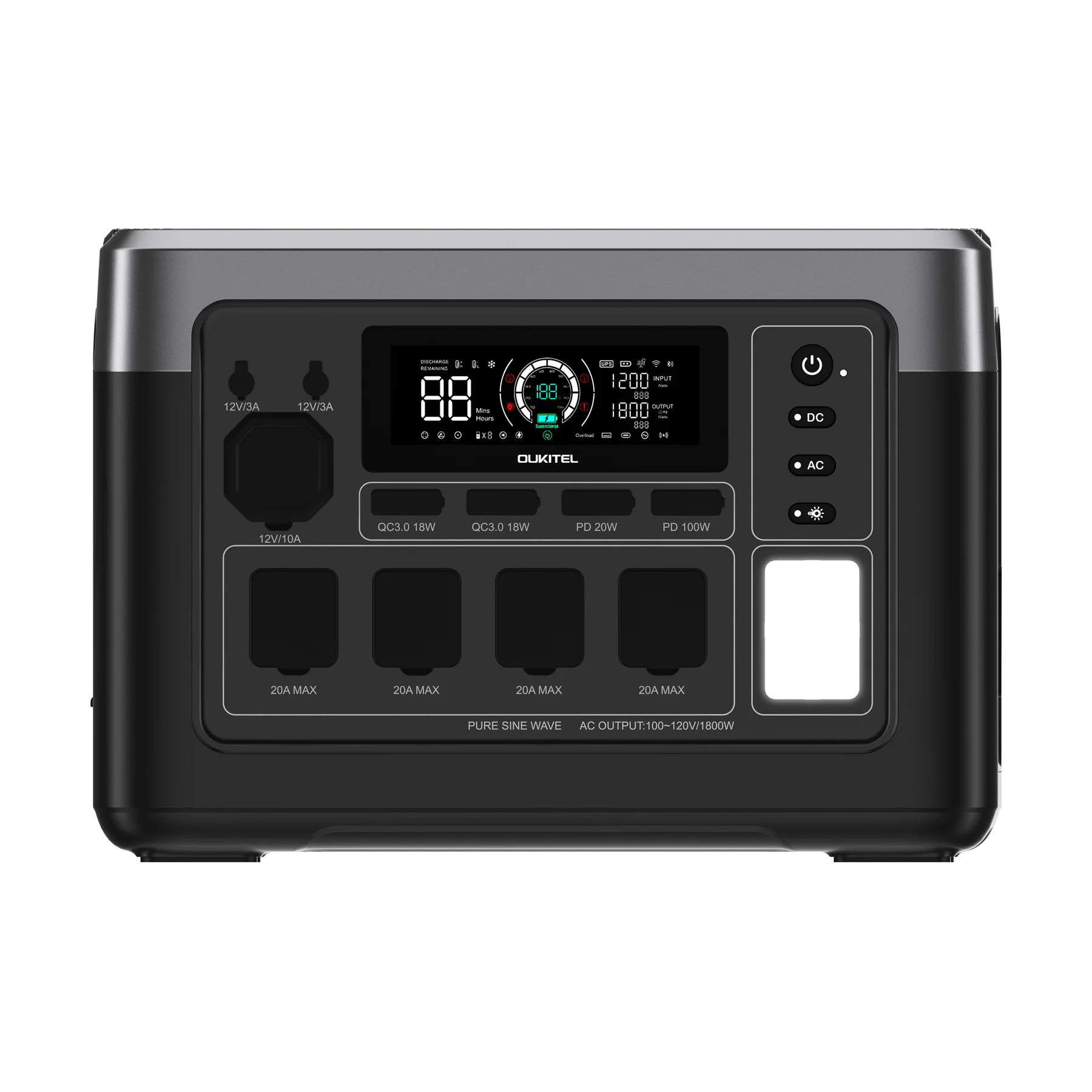
What Can 1,000 Watts Power? 2026 Guide to Real Appliances & RuntimeWhat Can 1,000 Watts Power? A 2026 Guide to Real Appliances and Runtime
LEARN MORE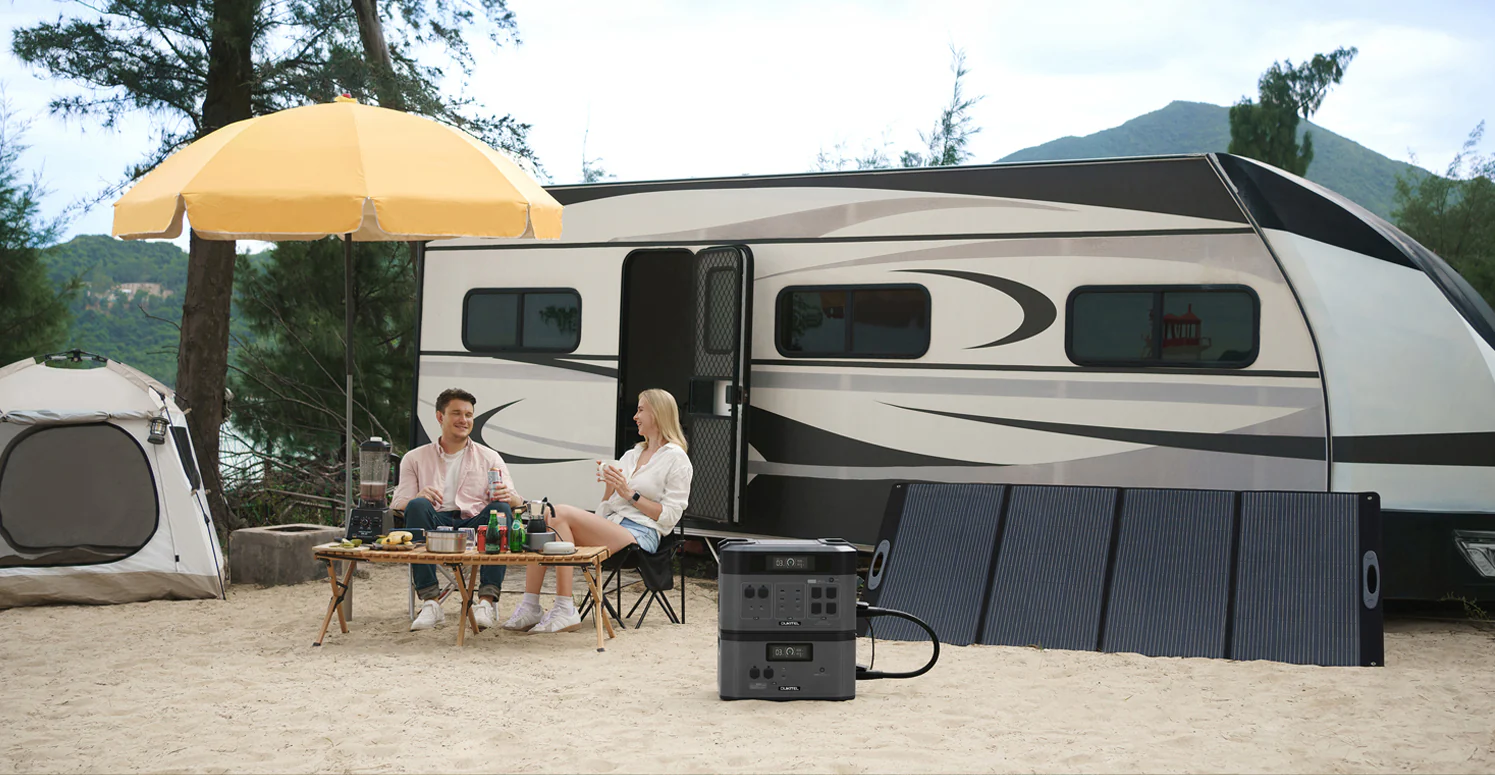
Best Portable Power Station for Camping: A No-Nonsense 2026 Buyer's Guide
LEARN MORE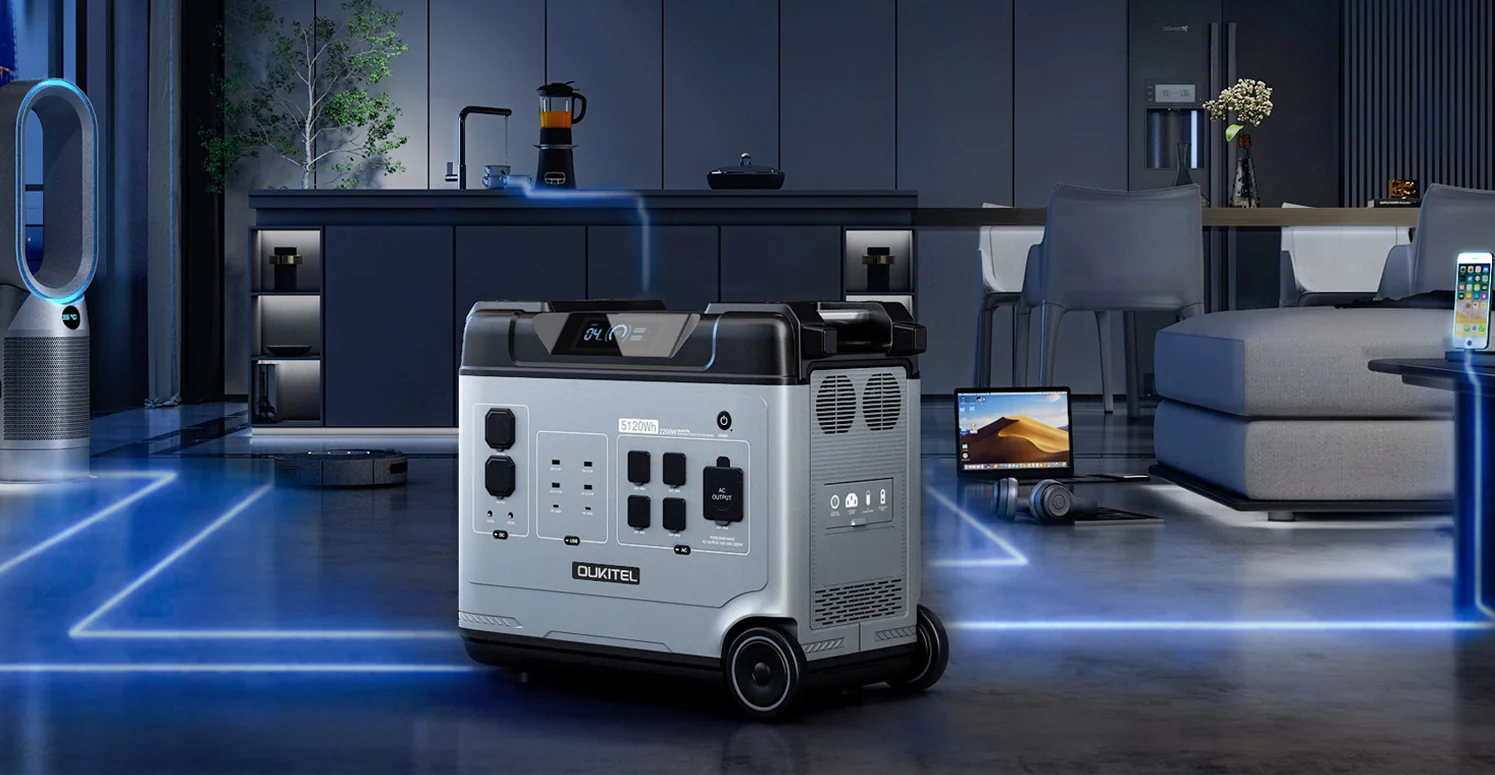
1500 Watt Generator: What Can It Power? 2026 Real-Appliance Guide
LEARN MORELooking for something else?
How Long Do Portable Power Stations Last? 2026 Lifespan and Runtime Guide
LEARN MORE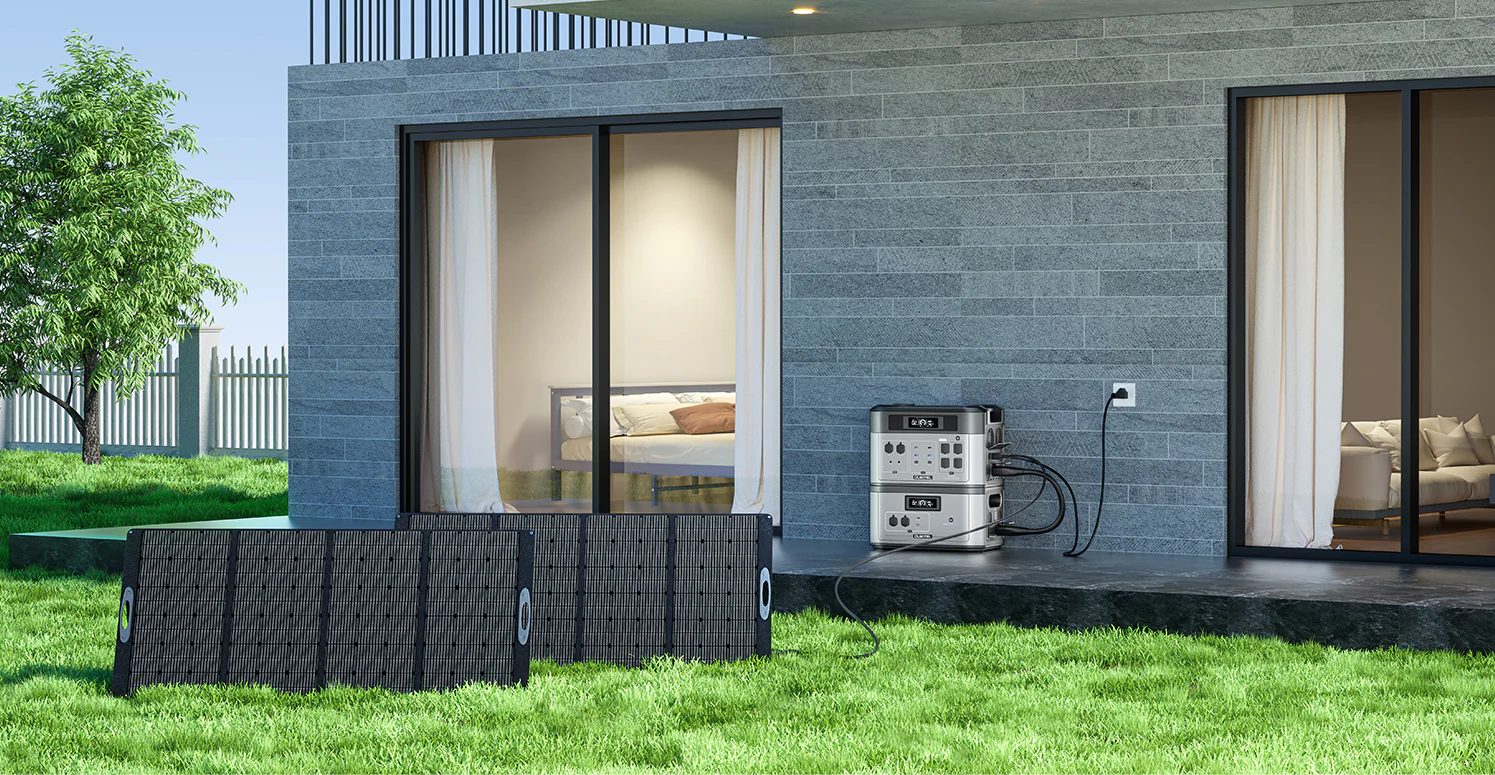
Best Solar Generator for Home Backup: 2026 Buyer's Guide
LEARN MORE
What Size Solar Generator Do You Need? 2026 Sizing Guide by Real Use Case
LEARN MOREYou may also like
OUKITEL P5000 Portable Power Station 5120Wh | 2200W
$1,199.00
$2,399.00

OUKITEL P2001 Solar Generator
$958.00
$1,249.00

OUKITEL P1000 PLUS Portable Power Station 1800W | 1024Wh
$439.00
$699.00


OUKITEL BP2000 Portable Power Station 2200W | 2048Wh
$859.00
$1,199.00
OUKITEL P5000 Pro Portable Power Station 5120Wh | 3600W
$1,629.00
$2,199.00
Further reading

OUKITEL BP5000 Pro Max vs EcoFlow DELTA Pro 3 vs Anker SOLIX F3800
Picking between the OUKITEL BP5000 Pro Max vs EcoFlow DELTA Pro 3 vs Anker SOLIX F3800 comes down to one priority. Stored energy, solar recovery, or raw output. The OUKITEL BP5000 Pro Max carries ...

OUKITEL P5000 Pro vs Jackery HomePower 3600 Plus: 3.6kW-Class Home Backup
The OUKITEL P5000 Pro vs Jackery HomePower 3600 Plus choice comes down to one trade: more battery in the box, or less weight with room to grow. Both run 3,600W continuous and 7,200W surge on LiFeP...

OUKITEL BP2000 Pro vs Jackery Explorer 2000 Plus: Expandable Home Backup Compared
BP2000 Pro vs Jackery Explorer 2000 Plus. On the spec sheet, these two look close at first. Each holds roughly 2kWh on LiFePO4 cells and runs at 120V.
The gaps are elsewhere. Output, for one. The ...