

 Flashlight
 Solar
Extension Cable
Solar
Extension Cable


Emergency Ready: Use a Portable Power Station to Charge Your EV on Road Trips
Electric vehicles have changed how we travel—quiet, clean, and efficient. But for EV owners, the biggest fear remains the same: running out of battery far from a charger.
While public charging networks are expanding, remote highways, campgrounds, and long-distance routes still have coverage gaps. That’s where a portable power station for EV charging becomes a game-changer.
Compact yet powerful, these high-capacity batteries serve as emergency energy reserves for your car, offering reassurance that your trip won’t end with a dead battery.
Why Carry a Portable Power Station for EV Charging?
Emergency Backup Anywhere
Think of it as your EV’s portable safety net. When your dashboard warning light flashes and the nearest charger is miles away, a portable power station can add a few extra miles—enough to reach the next charging point safely.
Unlike gas generators, these devices are emission-free and whisper-quiet, making them perfect for residential streets, parking lots, or remote campsites.
Reliable Off-Grid Energy
If you love road trips, national parks, or off-grid camping with your EV, a portable unit lets you charge not just your car but also your essentials—lights, cookers, mini-fridges, or even laptops.
Modern stations now support AC, DC, and solar inputs, so you can recharge them via your home outlet, car, or solar panels while on the move.
Safer and Cleaner Than Generators
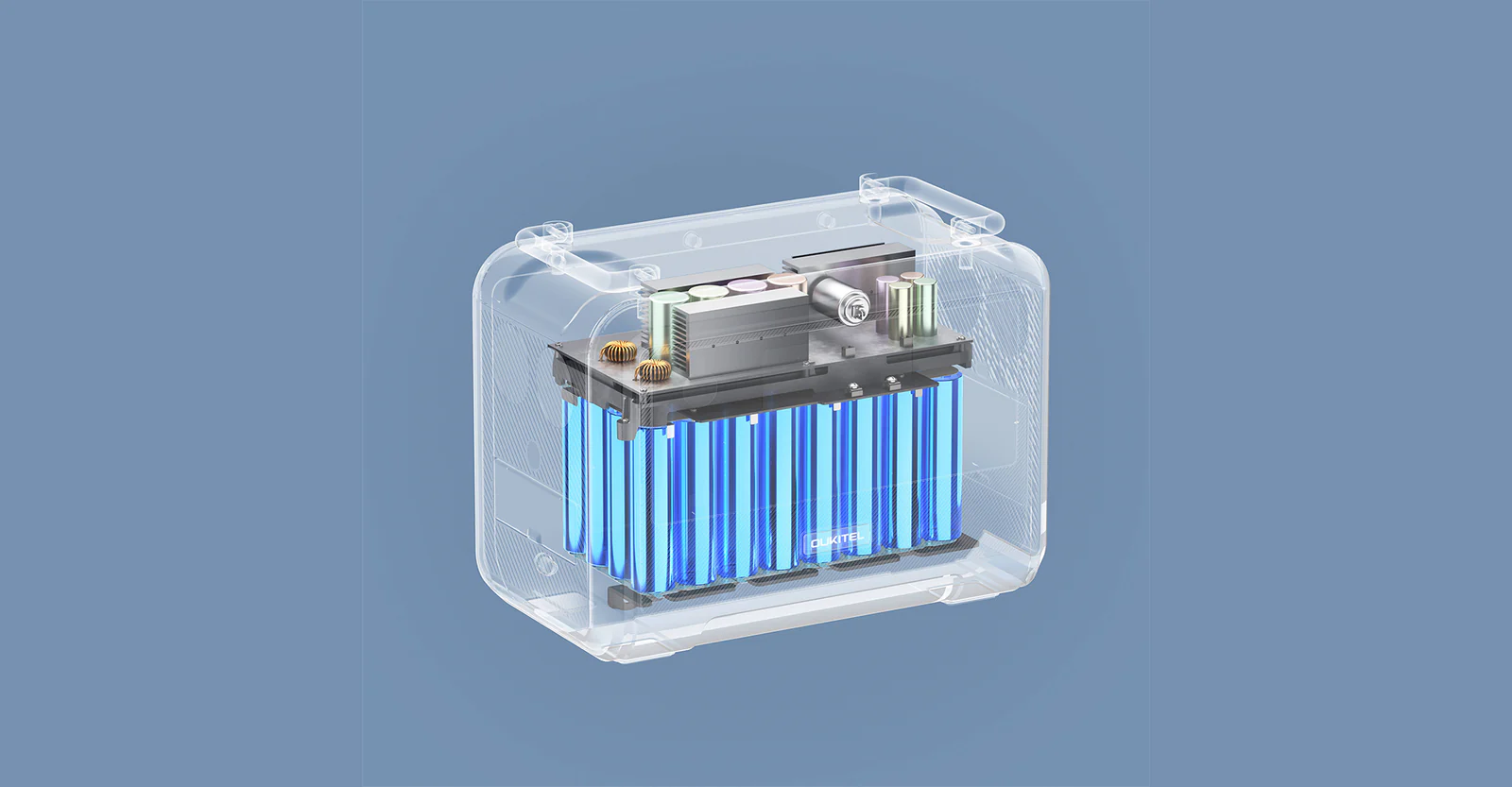
Gas generators may deliver power, but they bring noise, fumes, and fire risks. Portable power stations use LiFePO₄ (lithium iron phosphate) batteries, which are stable, non-toxic, and safe for indoor or vehicle use.
They emit zero exhaust gases, require no fuel, and can operate quietly below 50 dB—a clear win for both safety and sustainability.
How Portable EV Charging Works
EVs typically charge using Level 1 (120 V) or Level 2 (240 V) input. A high-output portable power station acts as a power source that mimics a home wall outlet.
- Connect the EV charger (portable cable) directly to the AC outlet on the power station.
- Power output (usually 2200–2400 W) determines how much charge your EV receives.
- Expect to recover 6–15 miles of driving range depending on capacity and vehicle type.
While it won’t replace full-size charging stations, it’s perfect for short emergency top-ups or maintaining charge during long outdoor stays.
Key Factors When Choosing a Portable Power Station for EV Charging

Capacity and Output
The higher the watt-hour (Wh) rating, the more energy you can supply. Look for models offering 2000 Wh to 5000 Wh capacity and 2000 W+ continuous output.
This range can deliver around 5–12 miles of additional EV range—enough to escape range anxiety.
Fast Recharge Speed
When you’re traveling, time matters. Top-tier power stations now feature 1800 W AC input that recharges the battery to 80% in under 3 hours, or even faster when paired with solar panels.
Solar Input Compatibility
Solar charging turns your power station into an off-grid energy system. With a maximum solar input of 1000 W, you can replenish power during daylight, ideal for road trips and RV living.
safety Protections
Ensure your power station includes:
- Overload, overvoltage, and short-circuit protection
- Battery Management System (BMS) for temperature control
- EPS (Emergency Power Supply) mode, which switches in under 10 ms during outages
These features guarantee reliability for both EVs and sensitive electronics.
Longevity
LiFePO₄ batteries provide 3,500–5,000 charge cycles, lasting up to 10 years with proper care—far surpassing lithium-ion alternatives.
Top Portable Power Options for EV Charging in 2025
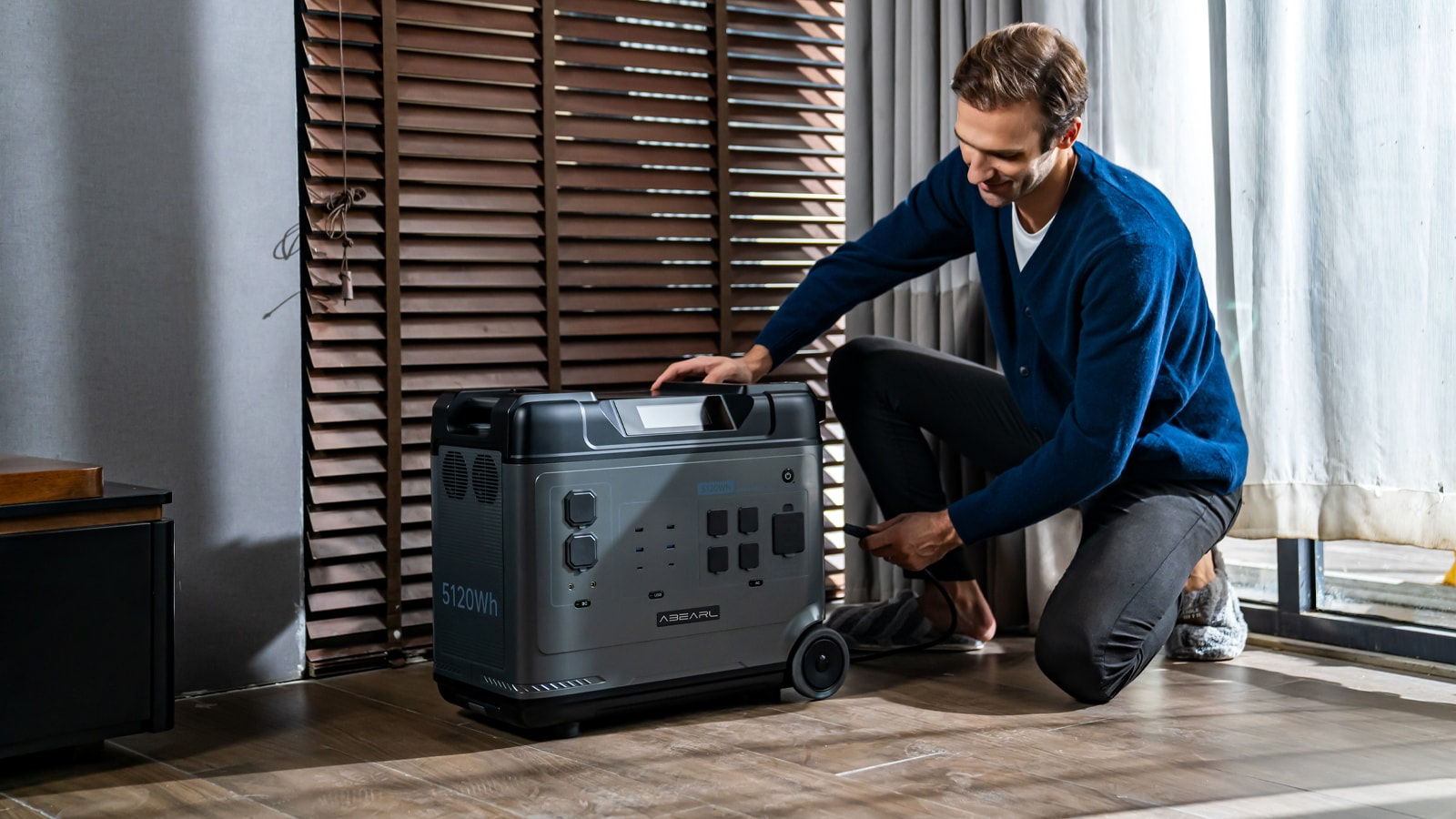
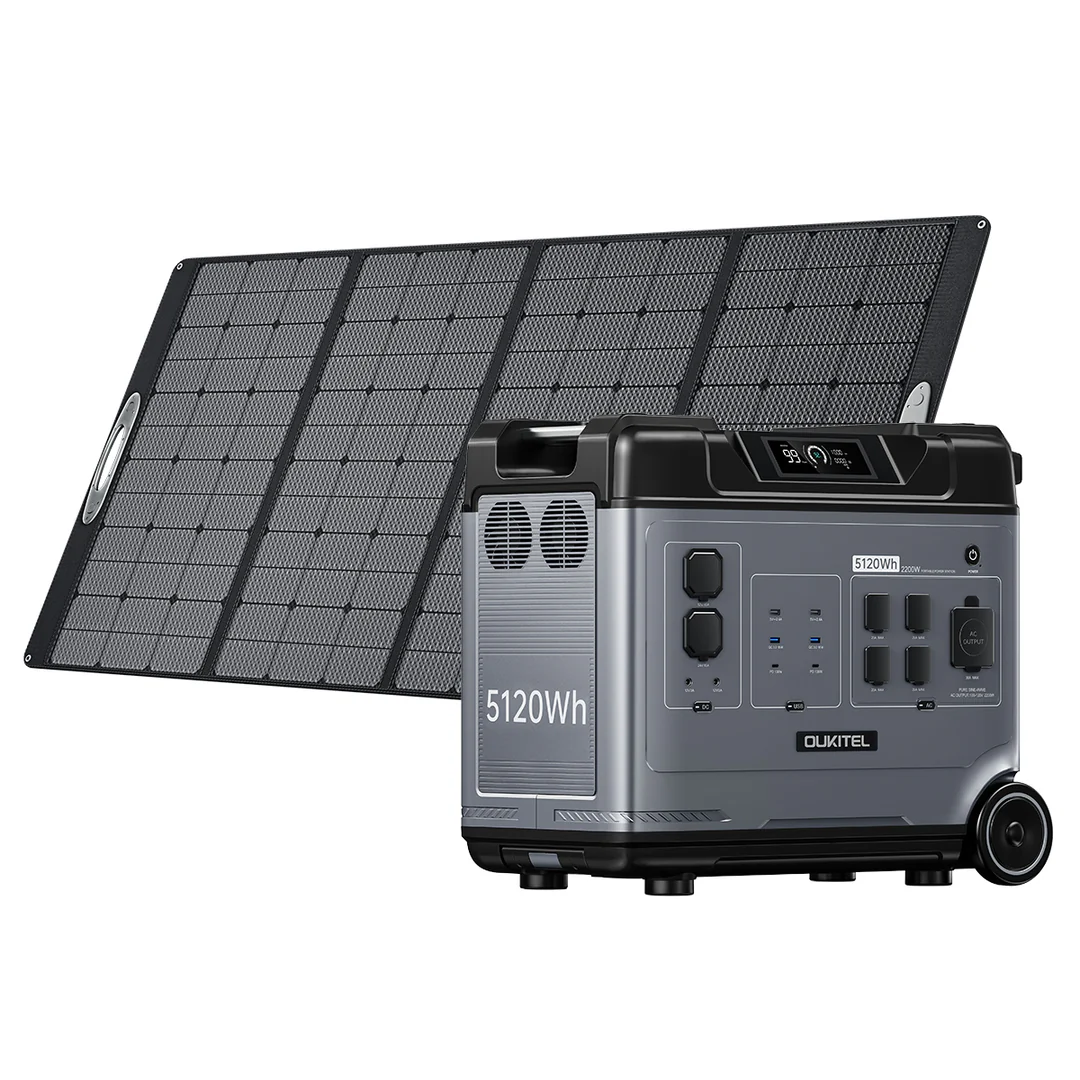
The Long-Haul Backup (≈ 5120 Wh / 2200 W)

Ideal for EV owners who crave both range and peace of mind, this model combines massive 5120 Wh capacity with 2200 W continuous power output.
It’s built for emergencies—capable of adding several miles to your EV battery or running home appliances during blackouts. Its dual-input charging (AC + solar) fills 80% in under 2 hours, making it one of the best portable power stations for EV charging in its class.
Highlights:
- 2200 W pure sine wave output (4000 W surge)
- 1800 W AC charging; 1000 W solar input
- 5000-cycle LiFePO₄ battery for long-term reliability
- EPS switching under 10 ms
- Rugged design with wheels for portability
Use case: Emergency EV backup, off-grid RV power, or mobile home energy hub.
The Fast-Charge Compact (≈ 2048 Wh / 2400 W)

This slightly smaller yet equally robust option offers 2400 W output—enough to power your EV charger, home fridge, and electronics simultaneously.
Its secret weapon is ultrafast recharging: reach 80% charge in just 1 hour with adjustable input speeds (400 W–1800 W). A smart app allows remote monitoring via Bluetooth or Wi-Fi, while its low noise level (< 50 dB) keeps it discreet.
Highlights:
- 2048 Wh capacity, LiFePO₄ chemistry (3500+ cycles)
- 2400 W AC output, 4800 W surge protection
- Dual charging: AC + 500 W solar input
- Splash-proof and dust-resistant
- EPS protection < 10 ms
Use case: Compact emergency charger for small to mid-size EVs or as an auxiliary power source for road trips.
Charging an EV with a Portable Power Station: Step-by-Step
- Check Compatibility – Ensure your vehicle supports Level 1 charging (most EVs do).
- Connect the EVSE Cable – Plug the portable charger into the station’s AC outlet.
- Activate Output – Turn on the AC switch and begin charging.
- Monitor Progress – Use the digital display or app to track wattage and time.
- Recharge the Power Station – When finished, top up via wall outlet or solar input.
Pro tip: If you combine solar panels (400 W–1000 W), you can charge the power station during the day while still running accessories—ideal for continuous off-grid use.
Real-World Scenarios Where Portable EV Charging Matters
Highway Emergencies
A 5000 Wh station can restore 10–15 miles of range—enough to reach a proper charger. Instead of waiting hours for roadside assistance, you can get back on the road yourself.
Camping and RV Adventures
When exploring remote parks, a power station provides energy for both your car and camp setup. Power induction cookers, lighting, or a projector while keeping your EV topped up overnight.
Home Backup for Dual Use
In storm-prone areas, these systems double as home power backups, running refrigerators, routers, and medical devices when the grid fails.
Fleets and Export Applications
Portable power stations aren’t just for individuals. Many EV charging exporters and factories use them for demo fleets, dealership showrooms, and logistics centers—offering flexible charging anywhere.
Why LiFePO₄ Batteries Are the Gold Standard
Portable EV power demands stability and endurance. LiFePO₄ (Lithium Iron Phosphate) chemistry excels in both.
|
Feature |
Benefit |
|
5000+ charge cycles |
10-year lifespan |
|
Stable thermal profile |
Reduced fire risk |
|
Eco-friendly materials |
Non-toxic, recyclable |
|
High discharge rate |
Supports heavy loads |
These traits make LiFePO₄ batteries the foundation of high-quality portable power station products and companies worldwide.
EV Charging Performance: What to Expect
|
EV Model |
Added Range (Approx.) |
Charging Time |
Station Used |
|
Nissan Leaf |
6–10 miles |
2 hours |
2 kWh – 3 kWh unit |
|
Tesla Model 3 (standard) |
8–12 miles |
2.5 hours |
5 kWh unit |
|
Chevrolet Bolt EV |
10 miles |
3 hours |
5 kWh unit |
|
Mini Cooper SE |
7 miles |
1.8 hours |
2 kWh unit |
These figures vary by efficiency, temperature, and charger type—but even small increments can make a major difference in reaching the next station.
Sustainable Charging with Solar Integration
Adding solar capability transforms your station into a renewable micro-grid. A 400–1000 W panel setup can fully recharge a 5 kWh unit in roughly 5 hours of full sunlight.
Benefits include:
- Zero operating cost after setup
- Quiet operation—ideal for residential or camping areas
- Unlimited recharge cycles in daylight
For eco-minded drivers, this hybrid EV-solar combination represents the future of sustainable mobility.
Maintenance Tips for Longevity
- Avoid Deep Discharge – Keep charge levels between 20–80% for longer battery health.
- Regular Use – Activate the unit every 2–3 months to keep circuits stable.
- Proper Storage – Store in a dry, ventilated place (14–104 °F).
- Clean Connectors – Wipe ports occasionally with a dry microfiber cloth.
- Update Firmware (if applicable) – Keep smart systems optimized.
These small habits can extend battery life and performance well beyond the standard warranty.
Beyond Emergencies: Everyday Applications
Even if you rarely face range issues, a portable power station remains useful:
- Power tools and workshops away from outlets
- Outdoor movie nights or tailgates
- Charging e-bikes and drones
- Operating medical equipment during blackouts
That flexibility is why these systems are increasingly adopted by portable power station factories, exporters, and energy companies worldwide.
Safety Features to Look For
- Pure sine wave inverter – safe for sensitive EV electronics
- Fire-retardant housing – reduces risk under load
- Smart cooling system – maintains performance under heat
- Overcurrent and overtemperature cut-off – ensures safe EV charging
- Automatic EPS mode – keeps power flowing in blackouts
High-end models integrate all of these, aligning with international safety certifications (UL, CE, FCC).
Future of Portable EV Power
As battery technology advances, next-gen stations will offer:
- 10 kWh+ expandable capacity
- Bidirectional EV → home (V2L/V2H) support
- Integrated AI monitoring apps
- Faster dual charging (3000 W+)
- Lightweight solid-state cells
This evolution means portable energy will soon rival fixed wall chargers—perfect for travelers and emergency responders alike.
Frequently Asked Questions
Can I really charge my EV with a portable power station?
Yes. High-output units (≥ 2000 W) can provide Level 1 charging via a standard EVSE cable, adding several miles of range.
How long does it take to recharge the power station?
Advanced models recharge to 80% in 1–3 hours through AC, or in ~5 hours using solar panels.
Is it safe for the car’s battery?
Absolutely—pure sine wave inverters deliver stable current, protecting EV electronics from surges.
How long do portable power stations last?
LiFePO₄ batteries typically last 10 years or 5000+ cycles, retaining 80% capacity even after daily use.
Final Thoughts
The transition to electric vehicles brings convenience and sustainability—but also new power challenges. A portable power station for EV charging bridges the gap between freedom and preparedness.
Whether you’re an adventurer, commuter, or fleet manager, having a reliable portable source ensures you’re never stranded, even miles from the grid.
With growing innovation, these power stations are becoming as essential as the EV itself—quiet, clean, and always ready when you need them most.


Looking for something else?
mAh to kWh: How to Convert and Understand Battery Capacity
LEARN MORE
How Many mA in an Amp: Understanding Electrical Conversion
LEARN MORE
Solar Array Roof: How to Mount on Pitched and Non-Pitched Roofs
LEARN MORE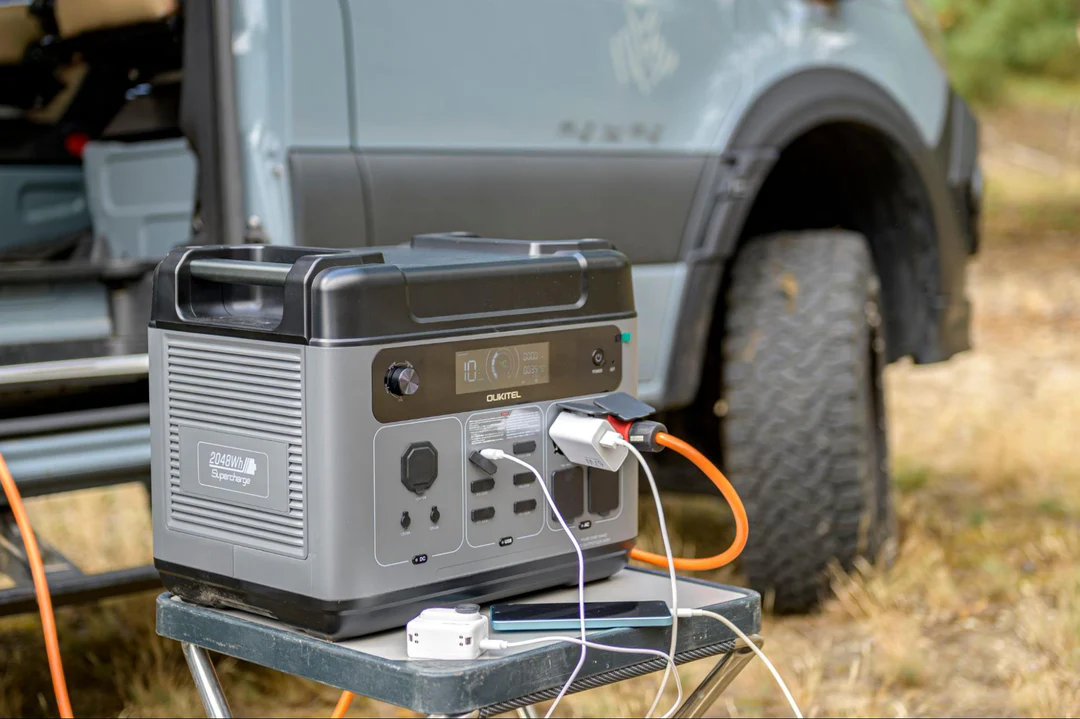
Power Tool Battery Standardization: Benefits and Guidelines
LEARN MORELooking for something else?
What Size Portable Power Station Do I Need: Complete Guide
LEARN MORE
Watts to BTU/hr: How to Convert and Apply the Formula
LEARN MORE
OUKITEL Energy Storage Shines at the 139th Canton Fair, Global Customers Experience Product Strength On-Site
LEARN MOREYou may also like

OUKITEL P2001 Portable Power Station 2000W/2000Wh

OUKITEL P2001 Plus Portable Power Station 2400W/2048Wh

OUKITEL P5000 Portable Power Station 5120Wh/2200W

OUKITEL P2001 Solar Generator

OUKITEL P1000 PLUS Portable Power Station 1800W/1024Wh

Further reading
Portable Power Station for Van Life: 1-7 Day System Sizing Guide
Portable Power Station for Apartment Blackouts: Indoor Backup Guide