

 Flashlight
 Solar
Extension Cable
Solar
Extension Cable


LFP vs Lithium-Ion: Which Battery Chemistry Wins in 2026?
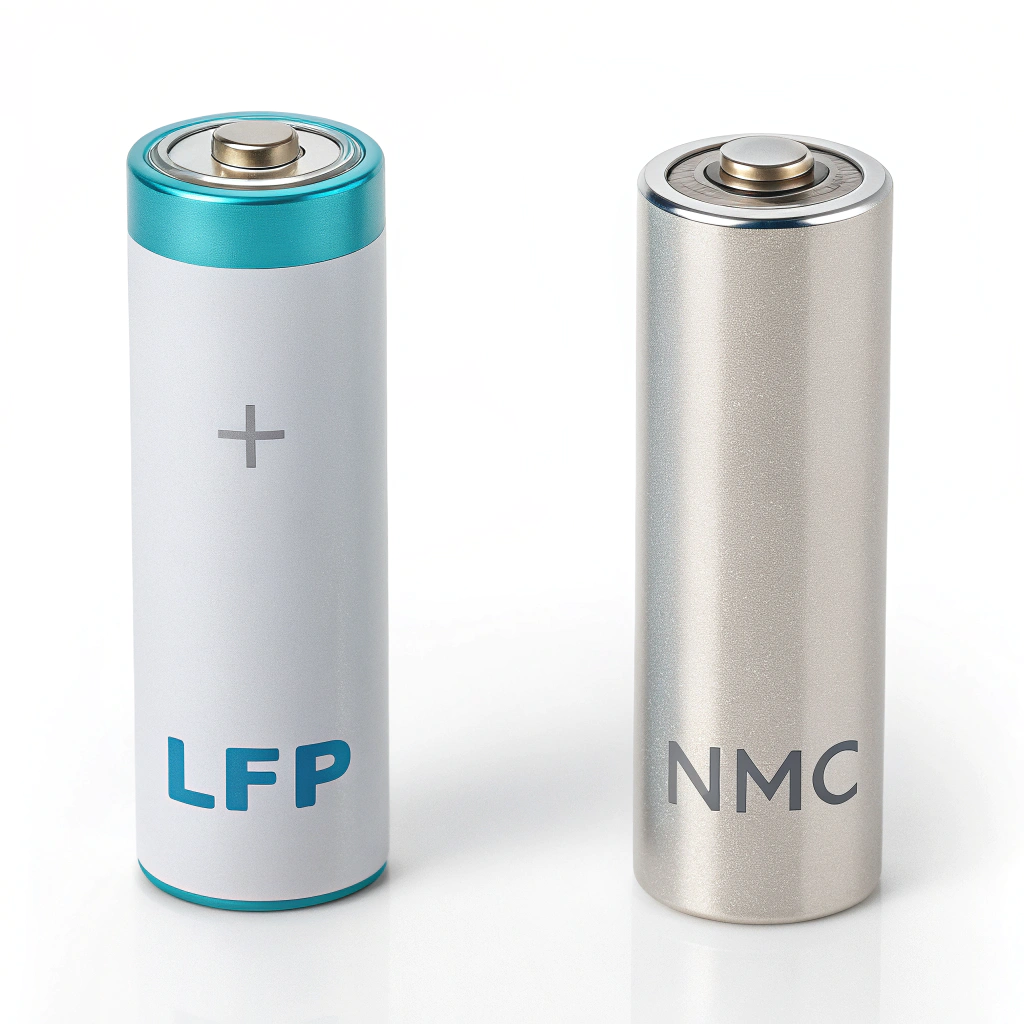
LFP vs lithium-ion is the wrong question to ask. Here's why: LFP IS lithium-ion. Subset, not separate. Same family. The actual comparison running in your head, whether you know it or not, is LFP vs NMC/NCA. Those are the three lithium-ion chemistries fighting for your wallet right now.
Quick bottom line so you can decide if this article is worth your time. Solar storage, home backup, RVs, portable power stations, and most mainstream EVs? LFP wins, by a lot. Cycle life, safety, and ten-year total cost all favor it. Laptops, phones, drones, racing EVs where every gram counts? NMC and NCA still hold the energy density crown.
What follows: real chemistry differences, safety data from peer-reviewed sources, cycle life numbers (with the math almost nobody runs), the cost-per-lifetime-kWh calculation that flips the affordability conversation entirely, and a use-case matrix to figure out which battery actually fits what you're building. Plus the LFP limitations most fanboys won't admit on Reddit.
What's the Difference Between LFP and Lithium-Ion?
Worth saying once more so it sticks. LFP and lithium-ion aren't rivals. They're family. Lithium-ion is the umbrella, the parent category. NMC, NCA, and LFP are the siblings underneath. Different recipes. Same broad chemistry class.
When articles say "lithium-ion vs LFP," what they actually mean (whether they realize it or not) is NMC/NCA vs LFP. That's the only fair comparison. Apples to apples. Not apples to fruit. Everything below digs into the real comparison.

[IMAGE: Alt: LFP cell chemistry diagram next to NMC cell chemistry diagram showing cathode material differences | 16:9 inline]
Chemistry and Voltage Differences
Each chemistry comes down to what sits in the cathode. LFP packs lithium iron phosphate (LiFePO4) into that role. NMC switches to nickel manganese cobalt oxide. NCA goes nickel cobalt aluminum oxide. Three recipes, one job. Each behaves totally differently at every voltage, every temperature, every charge cycle.
Key per-cell differences:
- LFP cell voltage: 3.2V nominal
- NMC/NCA cell voltage: 3.6V to 3.7V nominal
- LFP charge rate: 1C standard
- NMC/NCA charge rate: 0.7C to 1C
- LFP discharge rate: up to 25C continuous on quality cells
Don't underestimate that voltage gap. To hit any given pack voltage, LFP needs slightly more cells stacked in series than NMC does. That affects pack design, the charger you can use, how the BMS reads state-of-charge, the whole stack.
Energy Density Reality Check
NMC and NCA win on energy density. Period. The actual numbers:
|
Chemistry |
Energy Density |
Best Use |
|
NMC |
150 to 220 Wh/kg |
EVs, power tools |
|
NCA |
200 to 260 Wh/kg |
Premium EVs, aerospace |
|
LFP |
90 to 160 Wh/kg |
Solar, home backup, mainstream EVs |
That gap is exactly why your phone still runs NMC. Aerospace drones too. Whenever every gram matters, density wins. The numbers are what they are.
Now flip the scenario. Solar battery bolted to a garage wall. Pack sitting in the bench seat of an RV. Power station on a workshop floor. Weight stops mattering completely. Density becomes irrelevant. LFP's lifespan and safety advantages take over the moment the battery stops moving.
The density gap is also shrinking fast. CATL and BYD have rolled out high-voltage LFP cells that closed roughly 30% of the historical gap to NMC since 2022. CATL's third-generation LFP, announced in 2024, pushes past 200 Wh/kg in pack-level density. The "LFP is too heavy" argument was a 2018 argument. Barely holds up in 2026.
Which Is Safer: LFP or Lithium-Ion?
Real answer? LFP is meaningfully safer. Not fireproof. Big difference, and one that matters. The internet has flattened the truth into "LFP can't burn." Wrong, and dangerous to believe.
Why LFP Is Safer: The Oxygen Difference
Why is LFP safer? Single word: oxygen. NMC and NCA cathodes release oxygen when they overheat and break down. Oxygen plus heat plus lithium electrolyte means flame propagation. That's thermal runaway, the chain reaction where one failed cell ignites the next, the next, the whole pack. Watch any e-bike battery fire video. That's what you're seeing.
LFP works differently. The iron-phosphorus-oxygen bond in LiFePO4 holds together much better under heat. Temperature has to climb dramatically higher before the cathode breaks down. And when it finally does, less oxygen is released, so the reaction stays much smaller. No cascade. Usually.
Thermal Runaway Numbers
The hard data on thermal stability:
- Thermal runaway threshold for LFP: roughly 270°C (518°F)
- Same threshold for NMC: between 150°C and 210°C (302°F to 410°F)
- LFP burns slower with significantly less toxic smoke output
- Nail penetration and overcharge tests that destroy NMC cells, LFP shrugs off
- Damaged LFP cells still vent, swell, and occasionally combust under sustained abuse
Real-World Fire Risk Context
Worth respecting the pushback you'll find on r/sailing and r/batteries from people who work with these cells every day. Their point: LFP isn't fireproof, period. Damaged, abused, defective cells can still go catastrophic. Just much harder to set off. Much slower to fail. Much less violent when it happens. Three "much"s, but each one matters.
Insurance industry data backs the chemistry difference. UL Solutions testing has consistently shown LFP cells passing abuse protocols that fail NMC cells, and several US fire departments now distinguish between LFP and other lithium chemistries in incident response guidance. That distinction barely existed in 2020.
How Long Does Each Battery Type Last?
This is where LFP starts pulling ahead and never stops. Cycle life. The single metric where the gap is widest, the math is clearest, and most articles just blow past it.

Alt: LFP vs NMC vs NCA cycle life comparison bar chart showing 3000 to 6000 cycles for LFP versus 1000 to 2000 for NMC
Cycle Life by Chemistry
Based on research from the National Renewable Energy Laboratory and battery industry data:
|
Chemistry |
Cycles to 80% Capacity |
Years (Daily Cycling) |
|
LFP |
3,000 to 6,000+ |
10 to 15+ years |
|
NMC |
1,000 to 2,000 |
3 to 5 years |
|
NCA |
800 to 1,500 |
2 to 4 years |
|
Premium LFP cells |
8,000 to 10,000+ |
20+ years |
That's not a small gap. That's the difference between buying one battery for your house versus buying three over the same period. The compounding effect across home solar, EV fleets, and stationary storage shows up in every long-term ROI study.
Cost Per Lifetime kWh (The Math Competitors Skip)
Sticker price is a trap. The number that actually matters is cost per kWh delivered over the battery's whole life. Almost every article compares $/kWh at purchase. Wildly misleading, but easier to print on a spec sheet.
Run the real math instead. Pick a 5 kWh battery at $1,500. Looks like $300 per kWh on day one. Survive 5,000 cycles though, and that pack has moved 25,000 kWh through your system (5 kWh × 5,000). Actual lifetime cost: 6 cents per kWh delivered.
Now do the NMC version. 5 kWh, $1,200, cheaper sticker. Hits its 1,500-cycle limit. Total energy moved: 7,500 kWh. Lifetime cost: 16 cents per kWh delivered. Almost 3x more expensive.
LFP delivers roughly one-third the lifetime cost. After helping homeowners run this math, the shopkeeper economics of "buy the cheaper one" fall apart in minute one when you actually run the numbers. Most consumers never see this calculation. Most retailers prefer it that way.
Which Battery Should You Choose for Your Use Case?
Stop asking "which battery is better." Ask "which battery fits what I'm doing." The chemistry that wins depends entirely on your application. In our experience helping people size systems, this is the single most useful reframing of the conversation.

Alt: battery chemistry decision matrix showing LFP vs NMC use cases for solar EV RV portable power
EV Commuters (City and Short Range)
LFP wins. Daily charging to 100% is encouraged on LFP (Tesla actively recommends this for LFP-equipped Model 3 and Model Y RWD). Cycle life under daily cycling is dramatically better. Lower cost makes mass-market EVs viable for buyers who couldn't otherwise afford one.
Long-Range EV Drivers (Highway Heavy)
If range is your one priority, NMC/NCA still leads. Higher energy density translates directly into more miles per pound of battery on board. The Tesla Model S and Model X stay nickel-rich. Premium European EVs (Porsche Taycan, Mercedes EQS) too. Anywhere a manufacturer is squeezing every last mile of range, expect nickel chemistries.
Solar and Home Battery Storage
LFP. By a mile. Storage that bolts to a wall and never moves doesn't give a damn about weight. What it cares about: cycle life, fire safety, total cost over 15 years. The International Renewable Energy Agency tracked LFP's market share in stationary storage from 48% in 2021 to nearly 85% by 2024. Industry chose. Conversation over.
RV and Off-Grid Living
Same answer. LFP. The math from the solar section transfers directly. Deep daily cycling, fire safety inside what's essentially a small house with people sleeping in it, lifespan that outlasts most rigs. Weight penalty? Doesn't apply when the battery lives in a fixed compartment that never moves once installed.
Cold Climates
Honest answer: split decision. Bare LFP cells refuse charging below freezing without taking damage. NMC handles cold charging better, no debate. But modern LFP gear (power stations, EVs, residential batteries) almost universally includes heating elements that pre-warm the pack before charging. The "LFP dies in cold weather" line you'll read on forums applies to uninsulated DIY builds. Doesn't apply to anything you'd actually buy from a reputable brand in 2026.
Marine and Boat Applications
LFP. Wholesale. The marine industry shifted hard toward LFP over the past few years, and r/sailing reads like one long thread of refits from lead-acid to LiFePO4. Liveaboards and weekend cruisers care about lifespan in wet, salty environments, fire safety with people sleeping above the battery, and cycle depth that handles full discharge daily. Weight savings versus lead-acid still favor LFP even though it loses to NMC on density alone.
Portable Power Stations
LFP. Every serious power station brand now uses LFP for the same reasons: safety in a unit that sits inside your home, cycle life that justifies the higher upfront price, stable performance over a decade of weekend camping and storm outages.
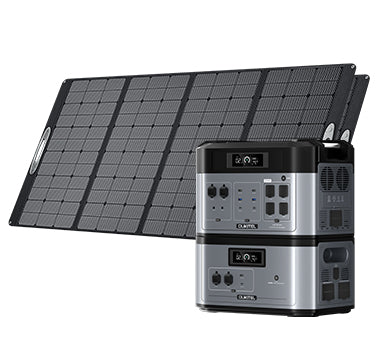
OUKITEL's entire portable power lineup runs on LFP for exactly this reason. The BP2000 puts 2,048 Wh of LiFePO4 into a unit that expands up to 16,384 Wh with B2000 packs. The P2001 Plus delivers 2,400W continuous on the same chemistry with UPS-grade switchover under 10 milliseconds and 3,500+ cycles to 80% capacity. For heavy loads, the P5000 Pro pushes 3,600W continuous from 5,120 Wh. All three would have been NMC five years ago. None would have lasted a decade on heavy cycling. LFP changed the math for this entire product category.

Alt Text: OUKITEL BP2000 Portable Power Station 2200W/2048Wh
What Are the Real-World Limitations of LFP?
LFP isn't perfect. Honest tradeoffs worth knowing before you buy:
- Weight and bulk. Same energy storage takes about 30% more weight than NMC. Phones and drones stay nickel-rich for this exact reason
- Cold-weather charging. Bare LFP cells can't accept charge below 0°C (32°F) without damage. Modern systems include heaters. Bargain cells don't
- Voltage curve flatness. LFP holds nearly the same voltage across most of its discharge range. Great for stable output. Tricky for state-of-charge estimation and cell balancing on DIY builds
- Charger compatibility. Generic chargers don't always work. LFP needs a charger programmed for its voltage profile. Plug an LFP pack into a lead-acid charger and you risk real damage
- Higher upfront cost sometimes. Recently flipped. LFP cells are now often cheaper than NMC at the cell level. Finished LFP packs can still cost slightly more than the NMC equivalent depending on supplier
None of these kill LFP for the major use cases. Worth knowing before you buy. Especially the charger compatibility issue. r/SolarDIY is full of expensive horror stories from people who skipped that check.
Will Sodium-Ion Replace LFP?
Probably eventually. Not yet. Worth knowing about anyway because it reshapes the conversation in 2027 and beyond.
CATL launched its sodium-ion brand "Naxtra" with mass production planned from late 2025. BYD is mass-producing sodium-ion cells already. The pitch from both:
- Lower raw material cost (sodium is far more abundant than lithium)
- Better cold-weather performance than LFP
- Comparable cycle life, still being validated in long-term field data
- Slightly lower energy density than LFP (which is already lower than NMC)
- Different supply chain that doesn't depend on lithium mining
For the next 3 to 5 years, LFP holds the value-chemistry crown for solar storage and mainstream EVs. From our perspective tracking this market, sodium-ion will likely take over the absolute lowest-cost segment first: e-bikes, basic golf carts, entry-level home storage. The energy density gap matters less for those applications. Two things hold sodium-ion back from broader adoption right now: limited manufacturing scale and unproven long-term field data versus LFP's decade-plus of real-world performance. Don't wait if you need a battery today. Do keep it on the radar for 2028 and later purchases.
Your Next Steps

Alt: homeowner comparing battery chemistry specs on tablet next to OUKITEL LiFePO4 power station for home backup
1. Identify your actual use case first. Home backup? RV? EV? Portable power? Marine? The chemistry that wins depends entirely on what you're building or buying.
2. If LFP fits your application, look for products that publish their cell chemistry openly on the spec sheet. Generic "lithium-ion" labels usually mean NMC. Brands hiding the chemistry are usually hiding why.
3. For portable power station and home backup specifically, OUKITEL's BP2000, P2001 Plus, and P5000 Pro are all LFP and built for the 10-year cycle life this chemistry actually delivers.
For deeper sizing guidance, the home backup generators guide and portable power station sizing guide walk through real-world load math step by step.
FAQs
Is LFP safer than lithium-ion?
Significantly safer? Yes. Fireproof? No, and never trust anyone who claims otherwise. The safety gap comes down to thermal stability. When LFP cells fail, the cathode doesn't release oxygen the way nickel-based cathodes do. No oxygen, no chain reaction, no cascade fire. That single chemistry difference is why insurers, marine surveyors, and indoor storage installers all favor LFP now.
Key safety differences in numbers:
- LFP thermal runaway threshold: roughly 270°C versus 150 to 210°C for NMC
- LFP passes nail penetration tests that destroy NMC cells
- LFP burns slower and produces significantly less toxic smoke
- Damaged LFP cells can still swell, vent, and rarely fail catastrophically
- Marine engineers and field technicians consistently rate LFP the safest mainstream lithium chemistry
For anywhere fire risk would be a deal-breaker (indoor power stations, sealed RVs, sailboat cabins, kid's bedrooms with batteries), LFP is the only mainstream lithium chemistry that doesn't make you nervous. Just stop short of the "completely safe" marketing line. Damaged batteries are dangerous batteries, regardless of chemistry.
What are the disadvantages of LFP batteries?
Three main ones: lower energy density, cold-weather charging quirks, and (sometimes) higher upfront price than NMC equivalents. Each has real impact in specific applications. None of them disqualify LFP for the major use cases.
The honest tradeoff list:
- Weight and bulk: roughly 30% heavier than NMC for the same kWh stored
- Cold-weather charging limits: bare cells damage if charged below freezing (modern packs include heaters)
- Voltage curve flatness: makes accurate state-of-charge estimation tricky on DIY builds
- Charger compatibility required: LFP needs an LFP-programmed charger, not a generic lithium one
- Slightly slower charging on standard equipment compared to high-end NMC
Where weight is the dominant constraint (phones in your pocket, drones overhead, EVs chasing a Nürburgring lap time), LFP loses cleanly. For the other 90% of battery applications, those downsides barely register against the cycle life and safety wins.
Can I charge my LFP battery to 100% every day?
Short answer: yes, and there's actually a reason to want to. LFP benefits from regular full charges because the battery management system uses those moments to recalibrate state-of-charge readings. Tesla's own guidance for LFP-equipped Model 3 and Model Y RWD asks owners to hit 100% at least once a week, on purpose. They wouldn't be telling people to do that if it harmed the battery.
The full picture:
- Daily 100% charging is acceptable for LFP, unlike NMC/NCA where it accelerates degradation
- Regular full charges help BMS calibration accuracy stay sharp over years
- Long-term storage above 80% can still cause minor capacity loss across years
- Recent Tesla research found continuous high-SOC use can degrade LFP over time
- For maximum lifespan: charge to 100% weekly, keep daily charges in the 80 to 90% range
Net result: LFP doesn't sweat full charges the way NMC does. Stop overthinking the daily plug-in. Just don't park it at full state-of-charge for months on end and you're fine.
Does Tesla use LFP?
Yes, in plenty of models now. Tesla rolled out LFP in Standard Range Model 3 and Model Y RWD trims starting around 2021, hitting global markets first before reaching the US. The Performance and Long Range Dual Motor trims still run NMC/NCA chemistries because those buyers prioritize range over price.
The Tesla LFP shift in context:
- LFP in Model 3/Y RWD across US, China, Europe, and most global markets
- Performance trims stay nickel-rich for range and acceleration
- Tesla Megapack stationary storage uses LFP exclusively
- Safety, cycle life, and material cost cited as primary drivers in shareholder letters
- Industry data shows LFP exceeded 55% of global cell production in 2024
Tesla wasn't alone for long. Ford's Mustang Mach-E Standard Range went LFP. Rivian's entry models did the same. BYD has been all-LFP for years across its entire lineup. Most affordable European EVs followed. What was a niche chemistry choice in 2020 became the mass-market default by 2024.
How long do LFP batteries last?
LFP cells deliver 3,000 to 6,000 charge cycles before capacity drops to 80% of original, with premium cells from CATL and BYD now pushing past 10,000 cycles in lab tests. Translate that to real-world time and you're looking at 10 to 15+ years for daily-cycled home storage, much longer if the battery sits idle most of the time between uses.
Comparison across realistic use cases:
- Home solar storage with daily cycling: 12 to 15 years
- RV use cycling a few times a week: 15 to 20+ years
- Backup power station used during outages only: potentially 20+ years
- EV daily commuting with mixed charge depths: 10 to 15 years
- Industrial cycling at high rates: 8 to 12 years
NREL has documented LFP cells holding above 80% capacity past 5,000 controlled cycles. Real-world numbers run lower thanks to temperature swings, partial cycling patterns, and human charge habits. But the gap to NMC stays massive across every scenario you can throw at it.
Can LFP batteries catch fire?
Yes, technically. They can. The probability though is dramatically lower than NMC or NCA. Look at the documented LFP fire cases and you'll find a common pattern: severe physical damage (think collision or impact), manufacturing defects, or extreme overcharge conditions. Any of those would have produced far worse outcomes in NMC or NCA packs.
Real-world fire risk context:
- LFP requires roughly 270°C internal temperature before thermal runaway begins
- NMC begins thermal runaway at roughly 150 to 210°C
- LFP fires propagate slower and produce notably less heat
- Smoke from LFP fires is significantly less toxic than nickel-based cell smoke
- Damaged LFP cells can still vent, swell, or rarely combust under sustained abuse
If fire matters at all in your use case (indoor power station, sealed marine cabins, RVs with kids sleeping inside, home solar storage on the garage wall), LFP is the only mainstream lithium chemistry that doesn't keep insurance underwriters up at night. That's why it's eaten the portable power station market and most of stationary storage.
What's the 80/20 rule for lithium batteries?
Traditional 80/20 advice says keep lithium batteries between 20% and 80% state-of-charge to maximize lifespan. The catch: that rule was written for NMC and NCA chemistries. LFP plays by completely different rules, and following the conventional advice can actually hurt LFP performance.
How the 80/20 rule splits by chemistry:
- NMC/NCA: strictly follow the 20 to 80% range to maximize cycle life
- LFP: more forgiving, can run 5 to 95% routinely without major degradation
- All chemistries: avoid full discharge below 5% (deep discharge damages cells)
- All chemistries: avoid prolonged storage above 90% (calendar aging accelerates)
- Tesla LFP guidance actually requires regular 100% charging for BMS calibration
For OUKITEL power stations and any modern LFP consumer gear, the BMS handles voltage limits automatically. Most users never need to think about state-of-charge windows. Just keep it out of the hot garage during six-month storage and the rest takes care of itself.
Sources
- U.S. Department of Energy – Vehicle Technologies Office: Batteries
- National Renewable Energy Laboratory – Energy Storage Research
- U.S. Environmental Protection Agency – Used Lithium-Ion Batteries Management
- NHTSA – Electric and Hybrid Vehicle Safety
- International Renewable Energy Agency – Battery Storage for Renewables


Looking for something else?

OUKITEL Energy Storage Shines at the 139th Canton Fair, Global Customers Experience Product Strength On-Site
LEARN MORE
How Does a Solar Generator Work? A Comprehensive Guide to Clean, Renewable Power
LEARN MORE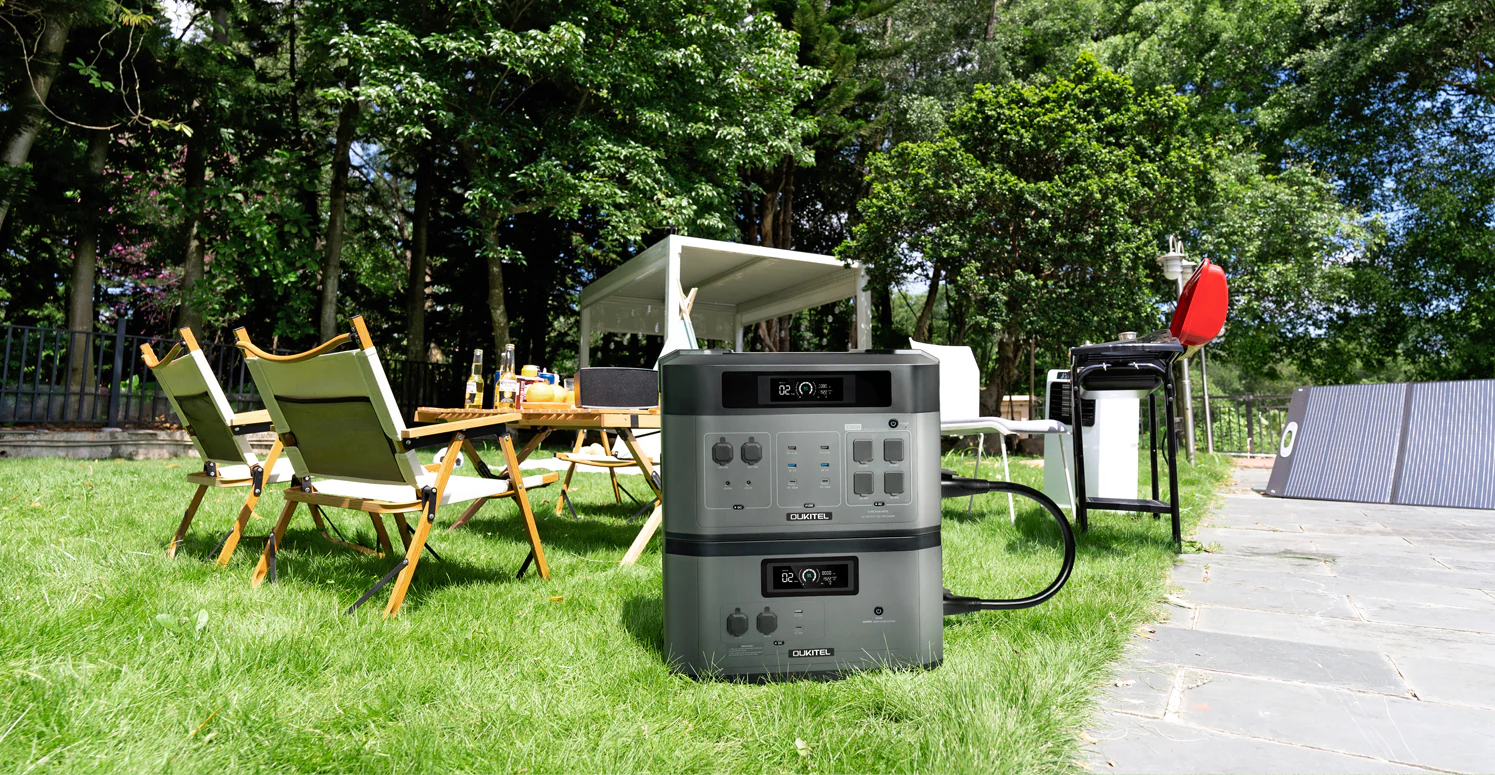
How Long Does It Take to Fix the Power Outage by Situation
LEARN MORE
Is Tornado Watch or Warning Worse? What to Do Fast
LEARN MORELooking for something else?

5000 Watt Solar Generator: Is It Enough for Your Home?
LEARN MORE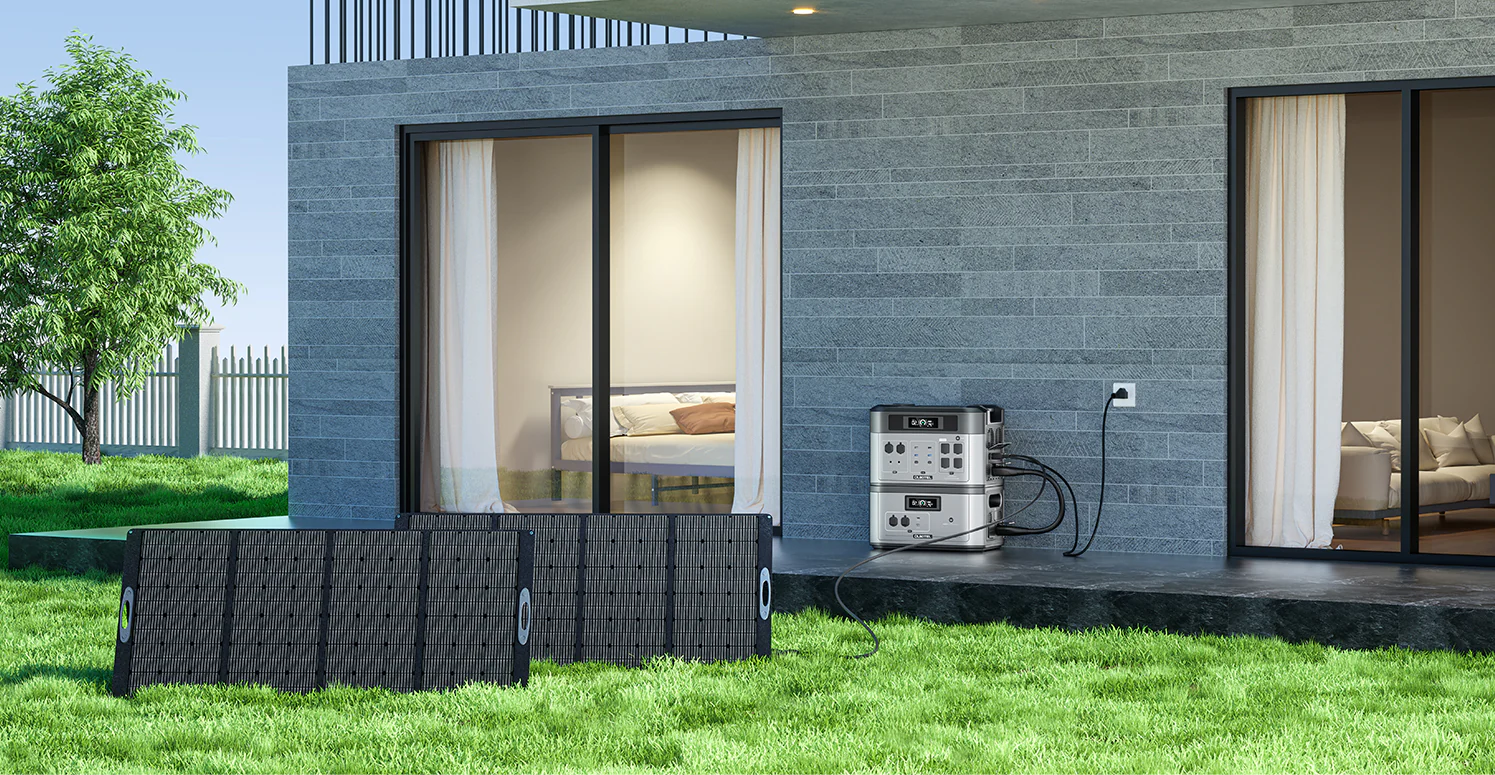
Solar Panel Connectors Types: Complete Guide to MC4, XT60 and More
LEARN MORE
Why Does the Power Go Out During a Storm? (And What You Can Do About It)
LEARN MOREYou may also like

OUKITEL B2000 Expansion Battery | 2048Wh

OUKITEL C01 Car Jump Starter 1350A | 80Wh | PD60W

OUKITEL BP5000 PRO MAX Portable Power Station 5000W | 5120Wh

OUKITEL BP2000 PRO Portable Power Station 3300W

OUKITEL P2001 Plus+400W Solar Generator

OUKITEL P2001 Plus+2*200W Solar Generator
Further reading

Best Solar Generator for RV in 2026: How to Size and Choose One
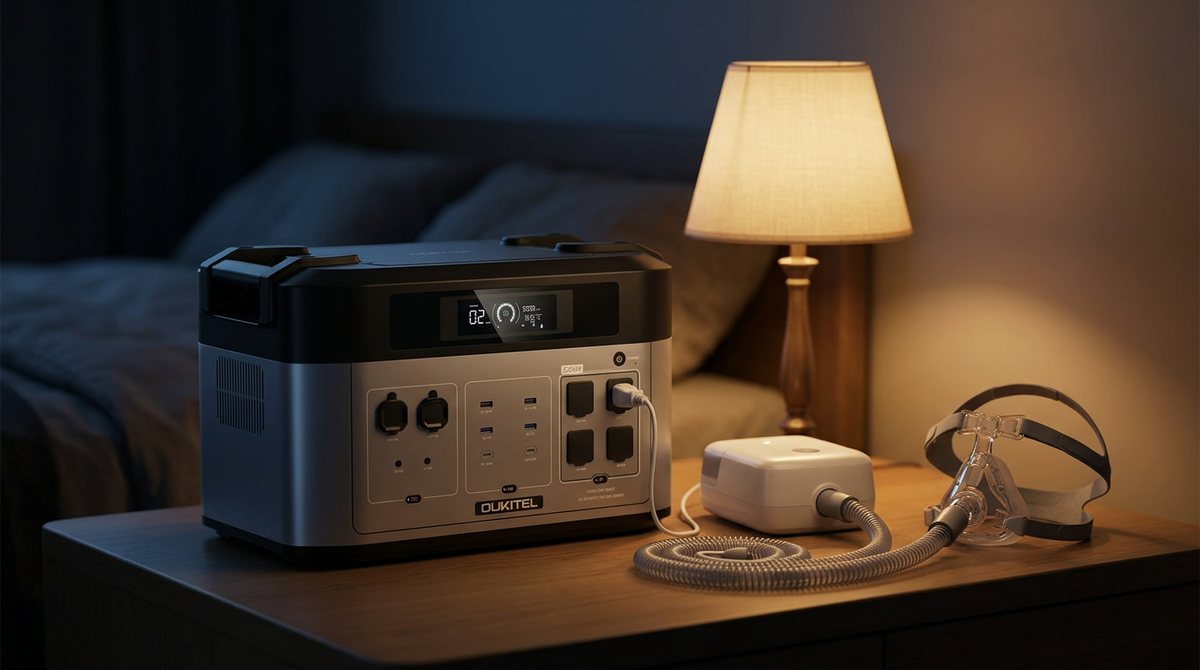
Portable Power Station for CPAP: How to Size Runtime, Humidifier Load and Battery Backup