








 Flashlight
 Solar
Extension Cable
Solar
Extension Cable


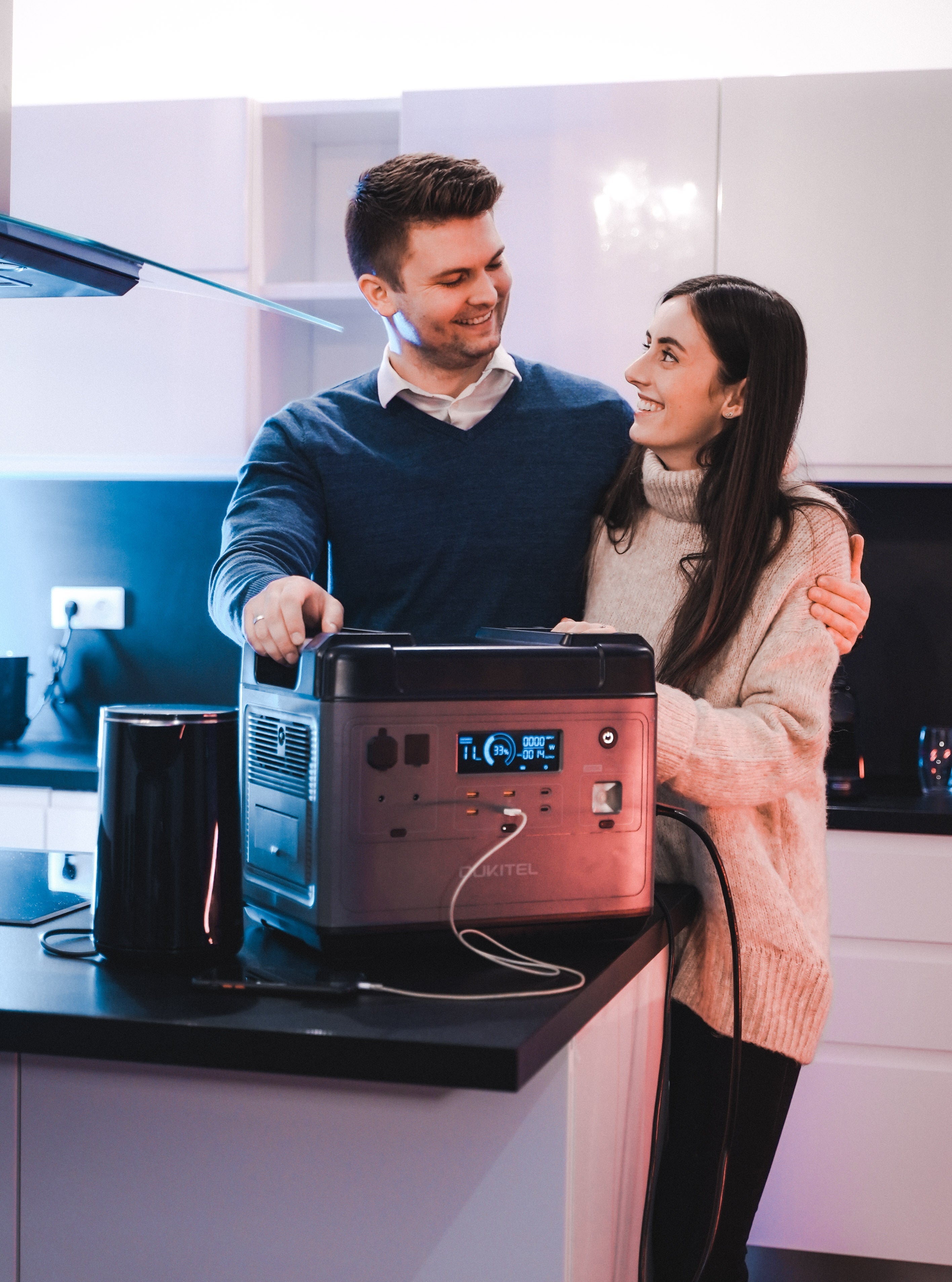
Can Portable Generators Get Wet? Tips to Keep Your Generator Dry
-
Introduction: Powering Through the Storm, Safely
Portable generators are a lifeline during storms and power outages — keeping the lights on, the fridge cold, and essential devices running. But while they’re designed for rugged environments, one thing they can’t handle well is water.Running or storing a generator in wet conditions can lead to short circuits, corrosion, electrocution hazards, and total failure. Knowing how to protect your unit from moisture is essential for both safety and longevity.This guide breaks down whether portable generators can get wet, how to keep them dry in rain or snow, and what to do if yours ever does.Can Portable Generators Get Wet?
The short answer: no — portable generators are not waterproof.Most units are designed for outdoor use but not for direct exposure to heavy rain, snow, or flooding. Moisture can infiltrate the engine, wiring, and outlets, causing serious damage or electric shock.Why Water and Generators Don’t Mix
Here’s what happens when a generator gets wet:-
Electrical short circuits inside outlets and wiring.
-
Fuel contamination from rain or condensation in the tank.
-
Engine stalling or permanent failure.
-
Corrosion on metal components and connectors.
-
Risk of electrocution to the operator.
A few drops of moisture or humidity won’t ruin your unit, but prolonged or direct contact with water is dangerous. Think of your generator like your car’s engine — rain is fine on the hood, but not in the ignition.Understanding Weather Resistance Ratings
Some modern generators come with weather-resistant casings, but that doesn’t mean they’re waterproof.Check your manual or product label for an IP rating (Ingress Protection):-
IPX0–IPX3: Basic splash protection. Keep covered.
-
IPX4: Can handle light rain from any direction.
-
IPX5–IPX6: Resistant to heavy spray but not submersion.
Even with higher IP ratings, avoid leaving the unit out during downpours or snowstorms. The best practice is always preventive protection.How to Shelter Your Portable Generator from Rain
Generators need ventilation — you can’t just wrap them in plastic. The goal is to shield from water while maintaining airflow to prevent overheating or carbon monoxide buildup.Use a Generator Enclosure or Tent
Investing in a dedicated generator enclosure is the safest solution. These are specially designed to keep out water while allowing for exhaust ventilation.Look for features like:-
Waterproof yet breathable materials.
-
Open sides or louvers for air circulation.
-
Easy-access panels for cords and refueling.
Some owners even build custom generator sheds using wood, steel, or heavy-duty plastic roofing. Just ensure at least 3–4 feet of ventilation on all sides.Use a Canopy or Waterproof Tarp
For quick protection, a canopy or heavy tarp works well. Secure it above the generator, never directly over it.Tips:-
Maintain at least 2 feet of clearance for heat dissipation.
-
Anchor the cover tightly to withstand wind.
-
Avoid draping plastic directly on the unit — it traps heat and moisture.
Temporary canopies are ideal during short storms or emergencies.Elevate the Generator Off the Ground
Wet ground causes splashing and pooling that can soak the generator from below. Always place it on:-
A wooden pallet
-
A gravel bed
-
Concrete blocks
This ensures drainage and protects against rising puddles.Use a Generator Pad or Gravel Base
For semi-permanent installations, install a generator pad or small gravel platform. It prevents puddles from forming beneath the unit and improves airflow from below.Be Cautious with Extension Cords
Extension cords lying in puddles are a major hazard. Always:-
Use outdoor-rated cords with weatherproof insulation.
-
Keep plugs elevated and dry.
-
Inspect cords for cracks or fraying before use.
-
Avoid excess cord length to reduce tripping and tangling.
You can also use cord domes or waterproof cord protectors for added safety.Monitor Weather Forecasts
If storms are forecast, prepare ahead of time:-
Move the generator under shelter.
-
Cover fuel cans securely.
-
Keep spare tarps, ropes, and dry towels in your emergency kit.
A 10-minute setup before rain starts can save hundreds of repairs later.Tips for Safely Running a Generator in the Rain
Sometimes, running your generator during bad weather is unavoidable — especially during extended outages. Here’s how to do it safely.Keep It Covered But Ventilated
Always operate the generator under a roof, canopy, or open-sided tent to block direct rain. Never run it indoors, in garages, or under sealed covers — carbon monoxide buildup is deadly.Use GFCI Protection
Use a ground fault circuit interrupter (GFCI) on outlets or extension cords. These cut off power immediately if moisture causes a short, reducing electrocution risk.Inspect Before Every Start
Check for visible water, condensation, or mud before turning the key. If wet, dry it thoroughly with a towel and allow it to air out for 30–60 minutes.Warm Up the Engine
Cold, wet engines struggle to start. Let it idle for 2–3 minutes before connecting devices to stabilize voltage output.Avoid Touching While Wet
Even a damp surface can conduct electricity. Handle cords and plugs only with dry hands, and wear insulated gloves if necessary.Listen and Watch for Trouble
Strange popping, grinding, or hissing sounds can indicate internal water contact. Shut it down immediately and inspect.What to Do if Your Generator Gets Wet
If your generator was accidentally exposed to heavy rain or partial submersion:-
Turn it off immediately. Disconnect cords and fuel supply.
-
Move it to a dry, ventilated area. Avoid tilting it; water could seep further inside.
-
Dry external surfaces. Use a soft towel or compressed air on outlets.
-
Let it sit for 24–48 hours. Internal components need time to air dry.
-
Do not restart until inspected by a qualified technician.
Restarting a wet generator can cause irreversible electrical failure or sparks inside the housing.Signs You Need Professional Service
If any of these occur after drying, take it to a repair center:-
Fails to start or stalls after ignition.
-
Visible corrosion or burnt wire insulation.
-
Unusual grinding or popping noises.
-
Moisture inside outlets or control panels.
-
Smoke or sparks from the housing.
Professionals can open the unit, test continuity, and clean moisture-sensitive parts safely.Long-Term Maintenance to Prevent Water Damage
A few small habits go a long way in keeping your generator dry and dependable.Store Indoors When Not in Use
Keep it in a garage, shed, or covered carport away from humidity. Always let it cool before covering or moving.Use Dust and Moisture Covers
Breathable storage covers prevent dust buildup and light moisture exposure between uses.Check Ventilation Openings
Ensure vents aren’t clogged with leaves, snow, or debris, which can trap condensation.Running Monthly Tests
Operate the generator for 15–20 minutes each month. This circulates oil, evaporates moisture, and keeps seals lubricated.Inspect for Rust
Wipe off any corrosion from the frame or terminals with WD-40 or a corrosion inhibitor.Replace Worn Seals and Cables
Cracked or frayed insulation invites water. Replace worn parts promptly.Common Myths About Generators and Rain
MythTruth“Generators are outdoor equipment, so rain doesn’t matter.”They’re designed for outdoor use, not exposure. Rain can still damage internal circuits.“I can just wrap mine in plastic.”Trapping heat this way can cause fire or engine failure. Always allow ventilation.“Running under a porch is safe.”It may block rain, but it traps deadly exhaust fumes — never operate near enclosed structures.“GFCI outlets make it waterproof.”GFCI reduces electrocution risk but doesn’t stop water from damaging circuits.“If it’s running fine, it must be dry.”Water damage can be delayed; corrosion and shorts may appear days later.Safety Checklist for Wet Weather Operation
Generator placed on dry, elevated groundCovered by canopy or vented enclosureGFCI protection in useHands and cords completely dryExhaust facing away from people and wallsNo puddles within 3 feetImmediate shutdown if rain intensifiesPrint this list and keep it near your emergency gear — it’s a life-saver during storms.When to Replace a Water-Damaged Generator
If your generator suffers repeated water exposure, corrosion may permanently weaken wiring and connectors. It may be time for replacement if:-
Voltage output fluctuates erratically.
-
Frame or terminals show rust pitting.
-
Starting system or choke sticks frequently.
-
Outlets trip breakers even when dry.
Modern LiFePO₄-powered portable stations can replace gas units entirely for quiet, emission-free backup power — a great upgrade for homes and outdoor use alike.The Future of Weatherproof Power
Next-gen portable energy systems are built to handle unpredictable weather better than ever. Many solar-powered or battery-based stations are sealed, fully electric, and safe to use even during storms when gas generators must shut down.They:-
Require no fuel or exhaust ventilation.
-
Work silently indoors.
-
Charge via wall or solar panel.
-
Operate safely in rain or snow with IP65 ratings.
For homeowners or campers seeking all-weather reliability, upgrading to battery-based portable power is the logical next step.Frequently Asked Questions
Can I run a generator in the rain?
Only if it’s covered and ventilated. Use an open-sided canopy or weather-rated enclosure to protect it.What happens if my generator gets wet?
Water can short-circuit internal wiring and cause engine or fuel damage. Let it dry completely before restarting.Can I cover a generator with a tarp while it’s running?
Yes, but never wrap it tightly. Leave open space for airflow and exhaust.Are there waterproof generators?
No generator is 100% waterproof, but some have weather-resistant housings (IPX4+). Always add protection.Should I replace my generator after water exposure?
If it stalls, smokes, or won’t start even after drying, have it professionally serviced — long-term corrosion may have set in.Conclusion
Can portable generators get wet? Technically, yes — but they shouldn’t. Even light rain can lead to corrosion, shock, or fire hazards.Keep your generator dry with:-
Proper shelter (enclosure or canopy).
-
Elevation from the ground.
-
Regular inspections and GFCI protection.
Treat your generator like your lifeline — because during an outage, it is. A few minutes of preparation ensures years of dependable service, rain or shine. -


Looking for something else?

Difference Between Amps and Volts: What You Actually Need to Know
LEARN MORE
50 Amps in Watts: The Honest 2026 Conversion Guide for RV, Home, EV, and Solar
LEARN MORE
Can You Put Solar Panels on a Mobile Home? (Real-World Guide for 2026)
LEARN MORE
Do Portable Solar Panels Qualify for the 30% Credit?
LEARN MORELooking for something else?

Are Solar Generators Any Good? Here's the Real Answer
LEARN MORE
How Long Does a Portable Power Station Last? (Real Numbers)
LEARN MORE
Oukitel Power Exhibits at Solar & Storage Live Philippines 2026: Carry the Sun, Power Your Freedom
LEARN MOREYou may also like

OUKITEL BP3000 Portable Power Station 3200W | 2048Wh
$959.00
$1,599.00

OUKITEL P5000 Pro+400W Solar Generator
$1,998.00
$2,798.00

OUKITEL BP2000+400W Solar Generator
$1,299.00
$1,799.00

OUKITEL P5000+2*400W Solar Generator
$2,098.00
$3,599.00

OUKITEL P5000 Pro+2*400W Solar Generator
$2,398.00
$3,398.00

OUKITEL BP2000+2*400W Solar Generator
$1,899.00
$2,399.00
Further reading

OUKITEL Power Brings Full-Scenario Energy Storage Solutions to Intersolar Middle East 2026 in Dubai
September 1–3, 2026 — Intersolar Middle East 2026 is taking place at the Dubai World Trade Centre, UAE. OUKITEL Power is showcasing its latest energy storage solutions at Hall H8, Booth C10, connec...

Portable Power Stations for Power Tools and Job Sites: Surge, Runtime and Safety
A portable power station for power tools has to clear three separate limits before it earns a place on the truck: continuous AC output for the running load, surge capability for the motor start, an...

Portable Power Station for Starlink: Runtime, Solar and Off-Grid Setup
A portable power station for Starlink has to satisfy two separate requirements, not one: enough output to run the hardware, and enough stored energy to hold the runtime you need. Those are differen...