








 Flashlight
 Solar
Extension Cable
Solar
Extension Cable


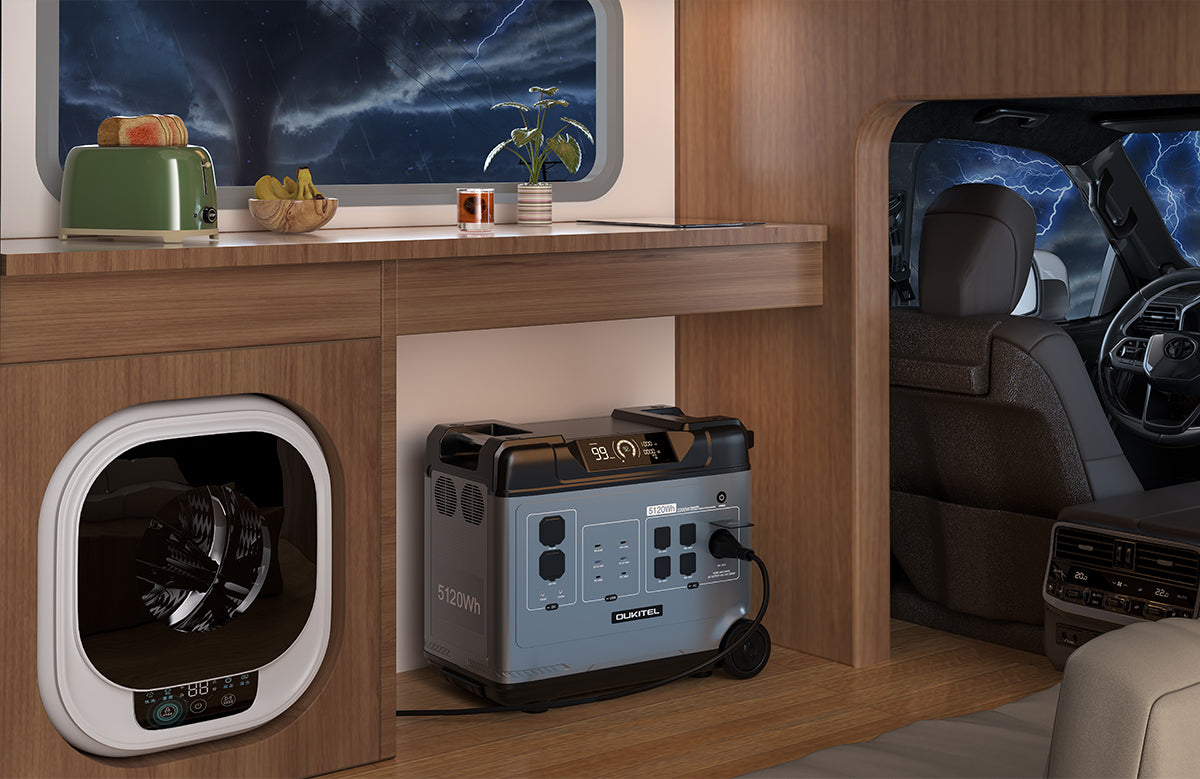
Emergency Energy: The Importance of Battery Backup for Electric Vehicles and RVs
Navigation
The rise of electric vehicles (EVs) and recreational vehicles (RVs) has created an increased need for reliable battery backup systems. As more drivers switch to EVs and RV travel surges in popularity, having emergency energy storage is becoming essential. This article will explore the growing EV and RV markets, discuss why battery backups are vital for these vehicles, and outline key factors to consider when selecting battery solutions.
The Growing Market for EVs and RVs
The transition to electric transportation is accelerating globally. According to the International Energy Agency, the number of electric cars on roads worldwide surpassed 10 million at the end of 2020. Major automakers like GM and Ford have announced plans to phase out sales of gas-powered cars in favor of zero-emissions vehicle models by 2040. The RV and motorhome market has similarly exploded, especially since the start of the pandemic. According to the RV Industry Association, RV wholesale shipments reached over 600,000 units in 2021, the highest annual total on record. RV sales hit record highs in 2020 and continue to climb as more people embrace remote work and socially distanced travel options.

Reliance on Battery Backup
Both electric vehicles and RVs heavily rely on electricity to power various appliances, systems, and features. As these vehicles are mobile, they need to have backup battery power in case the primary power source is unavailable (e.g. when the EV is not connected to charger or RV is not hooked up to shore power). The battery backup ensures essential functions continue to operate and occupants stay comfortable until the main power is restored.
Key Considerations for Battery Backup in EVs and RVs
- Capacity: The battery needs sufficient power capacity to run critical loads for an extended duration until external power is available.
- Compatibility: It must be compatible with the electrical system/components it will power in the EV/RV.
- Recharging ability: It should recharge efficiently when the primary power is restored to be ready for the next outage.
- Durability: As it will be used infrequently, the battery must withstand storage periods and harsh environments without performance degradation.
- Safety: Li-ion batteries are commonly used but require careful installation due to fire risks if mishandled. Proper ventilation and cool operating temperatures are important.
- Cost: Backup batteries involve additional expenses so their value and lifespan must justify the costs.
- Ease of maintenance: Simple maintenance needs help the battery last its lifetime with minimal user effort/downtime.
The Benefits of Quality Battery Backups
- Uninterrupted power: Ensures critical appliances/systems have constant power during primary source outages.
- Enhanced comfort/convenience: Occupants can use amenities like lighting, fans without relying on external connection.
- Better reliability: Alleviates range/power loss anxiety in EVs and enables full off-grid functionality in RVs.
- Future-proofing: Additional backup power supports upgrades/greater power needs from newer technologies over time.
- Improved resale value: Properly selected/installed batteries increase EV/RV desirability and market worth.
- Overall protection: Provides a reliable safeguard against power disruptions from various causes.
Investing in robust, high-capacity battery backups provides both EVs and RVs with enhanced reliability, extended operating range, and greater energy independence. Carefully evaluating battery quality and suitability for the vehicle ensures your backup power solution can deliver these benefits.
Conclusion
As electric vehicles and RV travel continue gaining popularity, having dependable supplemental battery systems is becoming increasingly essential. Investing in backup power provides emergency energy reserves, ensures critical vehicle systems function uninterrupted, and allows for extended operating times between charges. When selecting backup batteries, RV and EV owners must consider capacity, durability, charging abilities, and overall quality to meet their needs. Taking steps to incorporate reliable battery storage enables electric vehicles and motorhomes to handle emergencies and maximize their capabilities.
Read More
- Ultimate Guide To Home Backup Generators - Types, Sizes & Costs
- Portable Power Stations for Outdoor Events: Powering Your Festivals
- What Size of a Portable Power Station Do I Need for Camping?


Looking for something else?

Difference Between Amps and Volts: What You Actually Need to Know
LEARN MORE
50 Amps in Watts: The Honest 2026 Conversion Guide for RV, Home, EV, and Solar
LEARN MORE
Can You Put Solar Panels on a Mobile Home? (Real-World Guide for 2026)
LEARN MORE
Do Portable Solar Panels Qualify for the 30% Credit?
LEARN MORELooking for something else?

Are Solar Generators Any Good? Here's the Real Answer
LEARN MORE
How Long Does a Portable Power Station Last? (Real Numbers)
LEARN MORE
Oukitel Power Exhibits at Solar & Storage Live Philippines 2026: Carry the Sun, Power Your Freedom
LEARN MOREYou may also like
OUKITEL P5000 Pro Portable Power Station 5120Wh | 3600W

OUKITEL P5000 Solar Generator for Home with 400W Solar Panel

OUKITEL P800 Portable Power Station 800W | 512Wh

OUKITEL B2000 Expansion Battery | 2048Wh

OUKITEL BP5000 PRO MAX Portable Power Station 5000W | 5120Wh

OUKITEL C01 Car Jump Starter 1350A | 80Wh | PD60W
Further reading

OUKITEL Power Brings Full-Scenario Energy Storage Solutions to Intersolar Middle East 2026 in Dubai

Portable Power Stations for Power Tools and Job Sites: Surge, Runtime and Safety
