








 Flashlight
 Solar
Extension Cable
Solar
Extension Cable


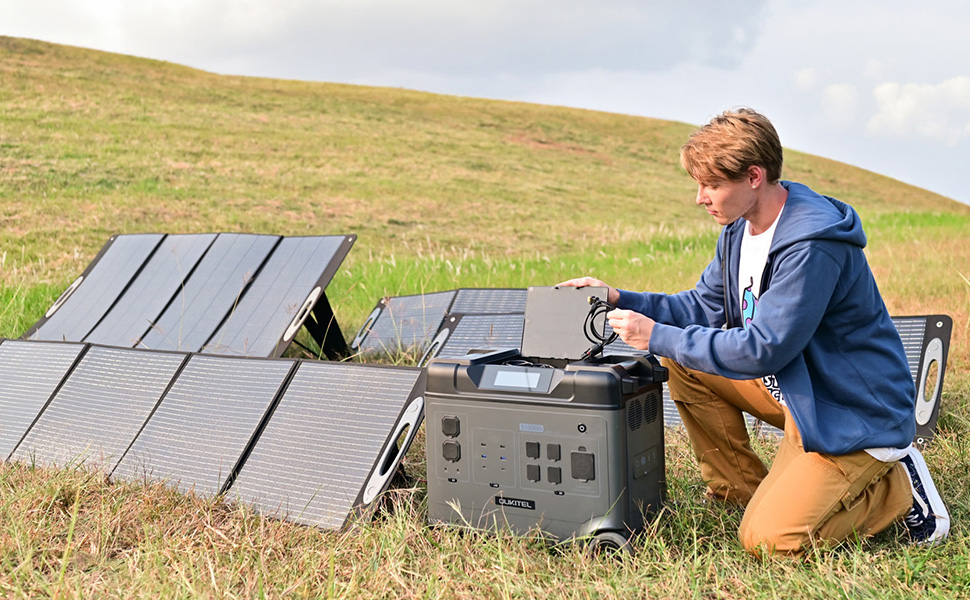
Do Solar Panels Work on Cloudy Days? Efficiency and Insights
If you’ve ever thought about installing solar panels, you’ve probably wondered:
Do solar panels work on cloudy days?
It’s an understandable concern. After all, solar energy comes from sunlight — so what happens when the sky is gray and overcast?
The short answer is yes, solar panels still work on cloudy days, but at reduced efficiency. Even when sunlight is diffused by clouds, panels continue generating electricity. The key lies in how modern solar technology captures and converts light, not just direct sunshine.
Let’s dive deeper into how well solar panels work on cloudy days, how they maintain energy output in different weather conditions, and what you can do to make the most of solar power year-round.
Do Solar Panels Actually Work Without Direct Sunlight?
Yes, they do. Solar panels don’t need direct beams of sunlight to generate electricity — they need light energy, or photons, which still pass through clouds.
Here’s how it works:
- When sunlight (even indirect) hits the panel surface, photovoltaic (PV) cells absorb photons.
- These photons excite electrons within the silicon layers, creating an electric current.
- The current flows through your inverter, converting into usable AC electricity for your home or generator.
Even on overcast or rainy days, enough diffuse sunlight reaches the surface of your panels to produce power.
How Well Do Solar Panels Work on Cloudy Days?

Performance depends on the thickness of the clouds and the type of solar panel you’re using.
Typical Efficiency Levels
On average, solar panels operate at:
- 10–25% efficiency on heavily overcast days.
- 40–60% efficiency on partly cloudy or bright overcast days.
That means while output is lower, your system still contributes significant energy to your home or battery bank.
Key Factors That Influence Output
- Cloud Density: Light gray skies block less sunlight than dark storm clouds.
- Panel Orientation: South-facing panels (in the Northern Hemisphere) catch the most ambient light.
- Panel Type: Monocrystalline panels perform better in dim conditions compared to polycrystalline.
- Temperature: Cooler air can actually improve efficiency, balancing lower sunlight levels.
In some cases, panels may even temporarily boost performance when sunlight breaks through clouds — a phenomenon known as the “edge-of-cloud effect”, where sunlight briefly intensifies.
Why Solar Panels Still Generate Energy in Cloudy Weather
![]()

The science behind solar energy in cloudy weather revolves around diffuse radiation — sunlight scattered by clouds, moisture, and particles in the atmosphere.
Direct vs. Diffuse Light
|
Type of Light |
Description |
Example |
|
Direct Light |
Sunlight traveling straight from the sun to the panel. |
Clear sky at noon. |
|
Diffuse Light |
Sunlight scattered by clouds or haze before reaching the panel. |
Overcast or foggy day. |
Modern solar panels are designed to capture both types. Anti-reflective coatings, textured glass, and high-quality silicon allow cells to absorb photons even when sunlight isn’t direct.
Solar Panel Performance by Weather Type
To understand how conditions affect solar efficiency, let’s look at typical energy generation across different weather scenarios:
|
Weather Condition |
Average Output Range |
Key Notes |
|
Clear sky |
100% |
Optimal production |
|
Partly cloudy |
60–80% |
Small drops during shade periods |
|
Overcast |
10–40% |
Consistent but reduced output |
|
Rainy day |
10–25% |
Moisture can clean panels for next day |
|
Snowy day |
15–50% |
Depends on snow accumulation and reflection |
Surprisingly, solar panels can even perform better in cold, bright winter sunlight than in extremely hot summers — because heat reduces voltage efficiency.
Do Solar Panels Work During Rain?
Yes — but indirectly. While heavy rain limits sunlight and reduces power output, it plays another important role: cleaning your panels.
Raindrops wash away dust, pollen, and debris that accumulate over time, restoring maximum light absorption once the sky clears.
As long as panels remain tilted, rainwater naturally rinses off dirt and prevents residue buildup that could otherwise reduce performance.
Do Solar Panels Work at Night?
No. Solar panels only produce electricity when light photons are available. At night, they go dormant.
However, your power doesn’t stop. Energy collected during the day is either:
- Stored in a battery system, or
- Sent to the grid if you’re connected to a net-metering program.
When the sun sets, you draw stored or credited electricity to keep your home running seamlessly.
In short:
Solar panels rest at night but your power supply continues uninterrupted.
How to Maximize Solar Efficiency on Cloudy Days

Even if you live in a region with frequent clouds or rain, smart installation and system choices can help you get consistent energy.
Choose High-Efficiency Panels
Panels made with monocrystalline silicon or PERC (Passivated Emitter Rear Cell) technology capture more light and work better in low-light conditions.
Optimize Panel Placement
- Angle panels toward true south (in the Northern Hemisphere).
- Adjust tilt to match your latitude for better year-round exposure.
- Avoid shade from trees or nearby buildings, especially in morning and afternoon hours.
Keep Panels Clean
Dust and debris amplify the effects of low sunlight. Clean panels every few months, or after pollen or dust storms.
Pair with Battery Storage
Adding a battery system or portable solar generator ensures stored energy powers your home when sunlight is minimal.
Explore integrated solutions in our Solar Generators Collection.
Use Energy Efficiently
During cloudy periods, prioritize essential appliances. Schedule high-demand tasks like laundry or EV charging for sunnier hours.
Consider Microinverters
Microinverters optimize each panel individually, minimizing losses caused by shading or uneven sunlight.
Real-World Example: Cloudy Cities That Thrive on Solar
You might be surprised to learn that some of the world’s cloudiest regions have successful solar industries:
- Germany — Despite limited sunshine, it’s a global leader in solar power generation.
- Seattle, USA — Frequent rain, yet residential solar adoption is growing fast.
- London, UK — Cloud cover is common, but solar panels still deliver significant annual savings and renewable energy.
These examples prove that solar energy doesn’t require constant sunshine — just consistent daylight.
The Role of Solar Technology in Low-Light Conditions
Advancements in solar panel materials continue to improve performance under cloudy skies.
Anti-Reflective Coatings
Increase light absorption by reducing glare and reflection losses.
Bifacial Solar Panels
Capture sunlight from both sides — including reflected light from the ground or nearby surfaces.
Half-Cut Cell Design
Reduces electrical resistance and improves performance during partial shading.
Smart Inverter Systems
Adjust to changing light intensity, ensuring optimal conversion efficiency.
These technologies make modern solar panels far more reliable in cloudy or variable weather than earlier generations.
Cloudy Day Energy and Battery Storage: A Perfect Pair

Solar energy and battery storage go hand in hand. When your panels generate excess power on bright days, batteries store that energy for later use.
On cloudy or rainy days, this stored energy keeps your essential systems running without relying on the grid.
Battery Benefits
- Provides backup power during outages.
- Maximizes your solar investment by preventing energy waste.
- Reduces reliance on unpredictable grid power.
Modern LiFePO₄ (Lithium Iron Phosphate) batteries — used in solar generators — are especially safe, long-lasting, and efficient for home or portable setups.
Seasonal Variations: Summer vs. Winter Cloud Cover
Summer
- More daylight hours = higher total energy output.
- Occasional thunderstorms may temporarily reduce generation.
Winter
- Shorter days, but cooler air improves efficiency.
- Snow reflection can boost output when skies are clear.
Even with fewer daylight hours, winter solar power remains reliable thanks to panels’ sensitivity to indirect and reflected light.
Monitoring Solar Output in Cloudy Weather
Modern systems let you track performance easily through mobile apps or built-in inverter displays.
What to monitor:
- Daily and monthly production trends.
- Power dips during cloudy or rainy days.
- Long-term average output (helps identify maintenance needs).
By analyzing data, you can predict cloudy-day performance and adjust energy usage patterns accordingly.
Myths About Solar Panels and Cloudy Weather
|
Myth |
Reality |
|
“Solar panels don’t work when it’s cloudy.” |
They still generate 10–25% of their rated output. |
|
“Rain ruins solar panels.” |
Panels are waterproof and benefit from natural cleaning. |
|
“Cold weather reduces power.” |
Cold improves voltage output; heat reduces it. |
|
“Only sunny states benefit from solar.” |
Even cloudy countries like Germany thrive on solar energy. |
These myths stem from older systems and misunderstandings. Today’s solar panels are engineered to perform in diverse climates — from deserts to foggy coastlines.
Key Takeaways
|
Question |
Answer |
|
Do solar panels work on cloudy days? |
Yes — though efficiency drops to 10–60% depending on cloud density. |
|
How do solar panels work on cloudy days? |
They capture scattered light through photovoltaic cells, not just direct sunlight. |
|
How well do solar panels work on cloudy days? |
Typically, 25–40% of their rated capacity, sometimes higher with modern tech. |
|
What helps during low sunlight? |
Clean panels, smart inverters, good orientation, and battery storage. |
|
Can I rely on solar in cloudy regions? |
Absolutely — systems still provide steady annual output. |
Conclusion
So, do solar panels work on cloudy days?
Yes — efficiently enough to keep your system producing clean, renewable power all year long.
While clouds may lower immediate output, modern panel designs, smart inverters, and battery storage systems ensure your home or portable generator keeps running smoothly.
Whether you live under constant sunshine or frequent overcast skies, solar technology adapts to your environment — delivering dependable energy, day after day.
Because even when the sun hides behind the clouds, it’s still powering your world.


Looking for something else?
Best Solar Generator for Home Backup: 2026 Buyer's Guide
LEARN MORE
What Size Solar Generator Do You Need? 2026 Sizing Guide by Real Use Case
LEARN MORE
What Can a 1200 Watt Generator Run? 2026 Appliance Guide
LEARN MORE
Are Solar Generators Worth It in 2026? Honest Buyer Analysis
LEARN MORELooking for something else?

How Much Solar Do You Need for Your RV? 2026 Sizing Guide by Use Case
LEARN MORE
Can You Take a Solar Generator on a Plane? 2026 TSA + FAA Rules
LEARN MORE
OUKITEL 2026 Prime Day & Membership Guide: Rewards, Points, and Limited-Time Offers
LEARN MOREYou may also like

OUKITEL P2001 Plus+200W Solar Generator

OUKITEL P5000 Pro+400W Solar Generator

OUKITEL BP2000+400W Solar Generator

OUKITEL P5000+2*400W Solar Generator

OUKITEL P5000 Pro+2*400W Solar Generator

OUKITEL BP2000+2*400W Solar Generator
Further reading

How Long Will a 2048Wh Battery Last? 30 Appliances + Formula

What Can a 3300W Power Station Run? Home Backup Load Planning
