

 Flashlight
 Solar
Extension Cable
Solar
Extension Cable


Cold-Weather Power: Best Portable Power Stations for Winter Camping
Winter camping has its magic — crisp air, starlit skies, and the quiet of nature blanketed in snow. But cold weather also brings one challenge: power. Your phone drains faster, heaters struggle, and sunrise is hours away.
That’s where a portable power station becomes your most valuable gear. Unlike gas generators, they’re quiet, clean, and cold-weather ready, powering everything from heated blankets to coffee makers.
In this guide, we’ll explore the best portable power stations for camping in 2025, including what makes them winter-worthy, how to use them in freezing conditions, and tips for maximizing performance when the temperature drops.
Why Cold-Weather Power Matters
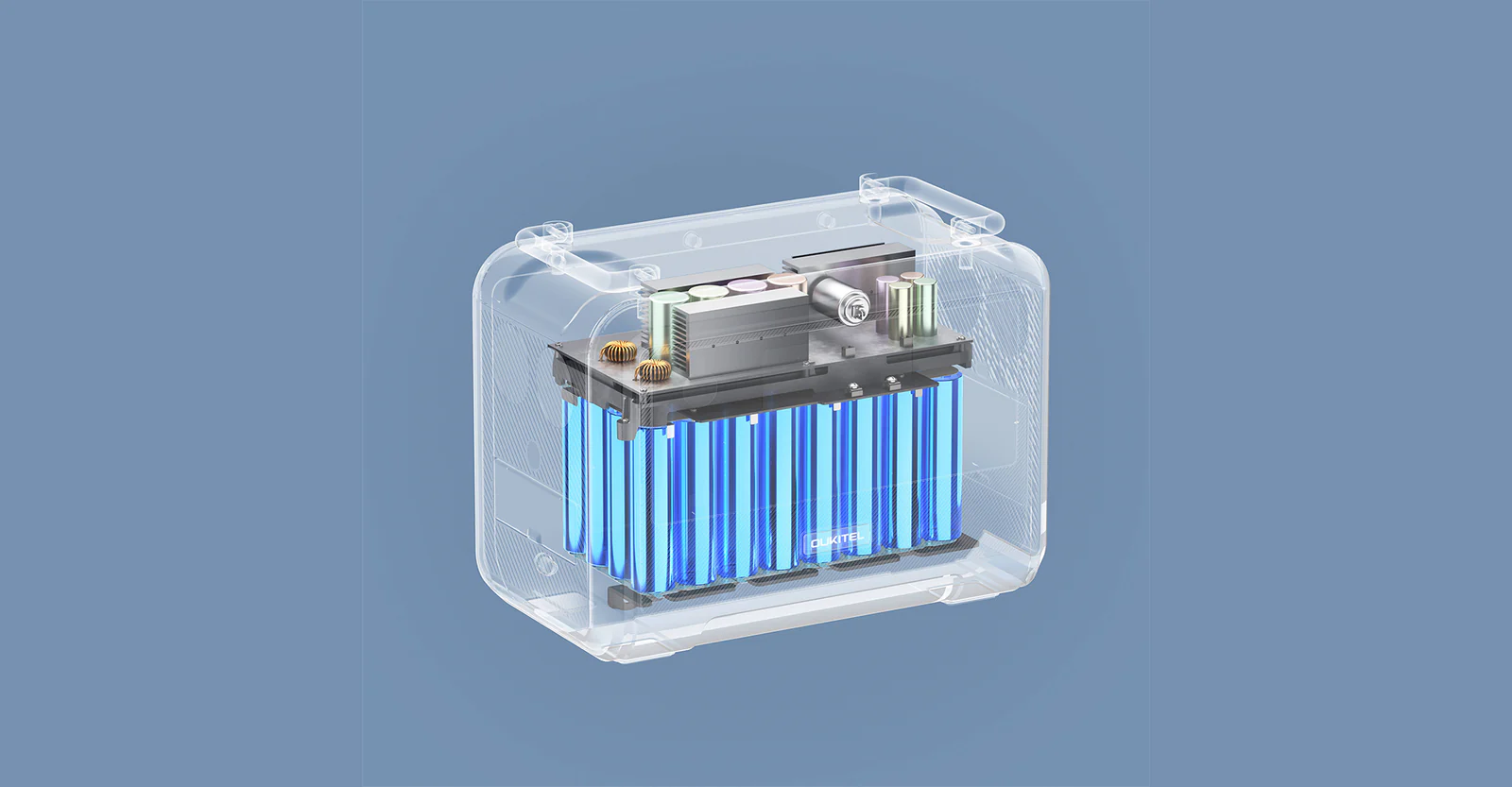
Lithium batteries lose efficiency in freezing weather, but modern designs with LiFePO₄ (Lithium Iron Phosphate) technology perform far better than traditional lithium-ion. These next-gen batteries retain up to 80–90% of capacity even below 0°C, making them perfect for winter trips.
Key benefits for cold-weather campers:
- Instant power for lights, cooking, and CPAP machines.
- Safe operation indoors or in tents — zero fumes, zero noise.
- Rechargeable via solar panels, even in weak winter sunlight.
- Durable shells that resist frost, snow, and moisture.
What Makes the Best Portable Power Station for Camping?

When choosing a power station for cold climates, here’s what matters most:
Battery Type: LiFePO₄ Is King
LiFePO₄ batteries handle cold, charge faster, and last 3,500–5,000 cycles — meaning they’ll serve you for years of winter trips.
Output Power
Choose at least 800W–2400W output to run small appliances like coffee makers, portable heaters, and electric stoves.
Capacity
- 500–800Wh: Light travel or weekend trips.
- 1000–2000Wh: CPAP, lights, cooking gear, longer stays.
- 4000Wh+: Extended RV or family camping power.
Low-Temperature Protection
Good stations include built-in heaters or low-temp charge protection, preventing cell damage when it’s below freezing.
Solar Compatibility
Winter days are short, so fast-charging solar input (500W–1000W) is essential. Look for MPPT controllers with 99% conversion efficiency.
Top Picks: Best Portable Power Stations for Camping 2025

Here are three capacity categories to match different campers’ needs — all tested for power stability, runtime, and cold-weather resilience.
Best for Lightweight Adventures (500–800Wh)
Ideal for: solo or couple campers, weekend car camping, backup lighting.
- Capacity: ~500Wh
- Output: ~800W pure sine wave (1600W surge)
- Weight: ~6 kg (easy one-hand carry)
- Charge time: 1 hour via AC, 2.5 hours solar
- Battery: LiFePO₄, 3,500+ cycles (10-year lifespan)
- Noise level: <50 dB (whisper quiet)
Performance in winter:
- Works from –10°C to 40°C.
- Powers laptops for 8 hours, heated blankets for 3–4 hours, or LED lights all night.
- Runs CPAP for a full night without draining fully.
Why it’s a top pick:
This class balances portability and reliability — the best budget portable power station for camping, especially when you’re tight on weight and space.
Best for All-Around Use (1000–2500Wh)

Ideal for: winter base camps, RVs, group car camping, or CPAP users.
- Capacity: 2 kWh
- Output: 2400W (4800W surge) — runs coffee machines and mini-heaters.
- Recharge: 80% in 1 hour (AC), 2.5 hours via 500W solar.
- Noise: <50 dB, indoor safe.
- Extras: Smart app control, adjustable charge speed, EPS (<10ms).
Winter durability:
- Operates reliably at freezing temperatures.
- Dust- and splash-resistant casing.
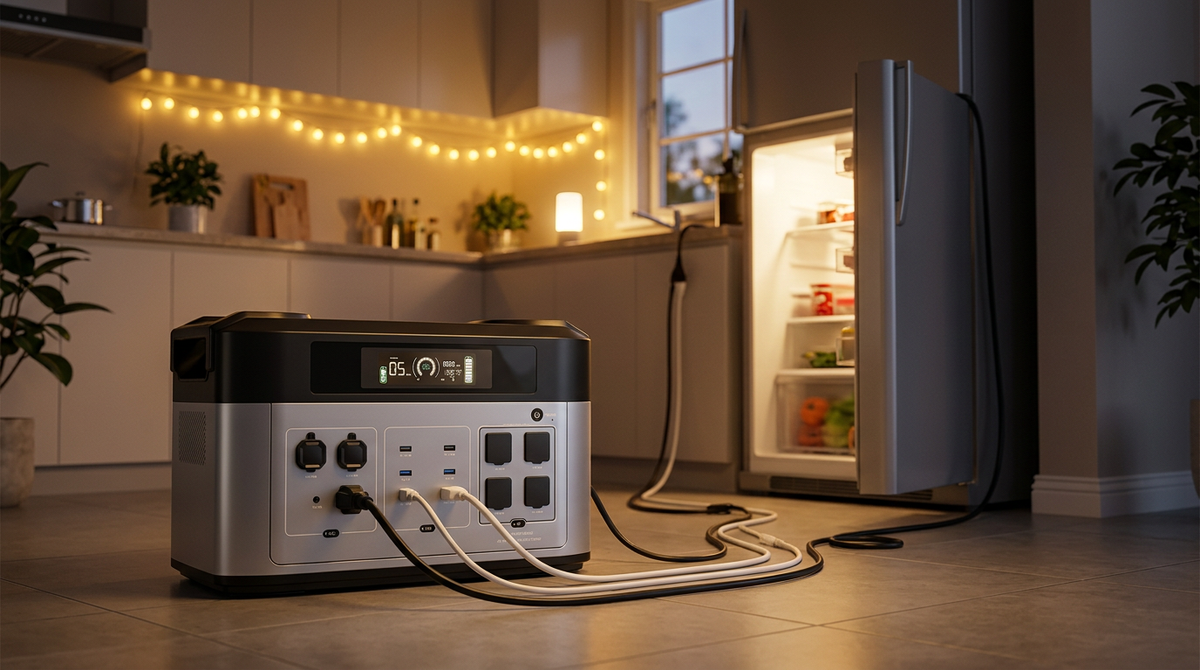
- Charges multiple devices simultaneously — heater, laptop, LED string, and mini-fridge.
Why it’s perfect for cold weather:
Fast-charging LiFePO₄ design with 1400W EPS auto-switch keeps your tent or van powered even if grid power fails.
Best for:
- Car camping setups needing consistent energy.
- CPAP users who require quiet, stable overnight power.
- Australian campers traveling between hot and cold zones.
Best for Heavy-Duty Winter Expeditions (4000–5000Wh)
Ideal for: off-grid cabins, RVs, family camping, long-term basecamps.
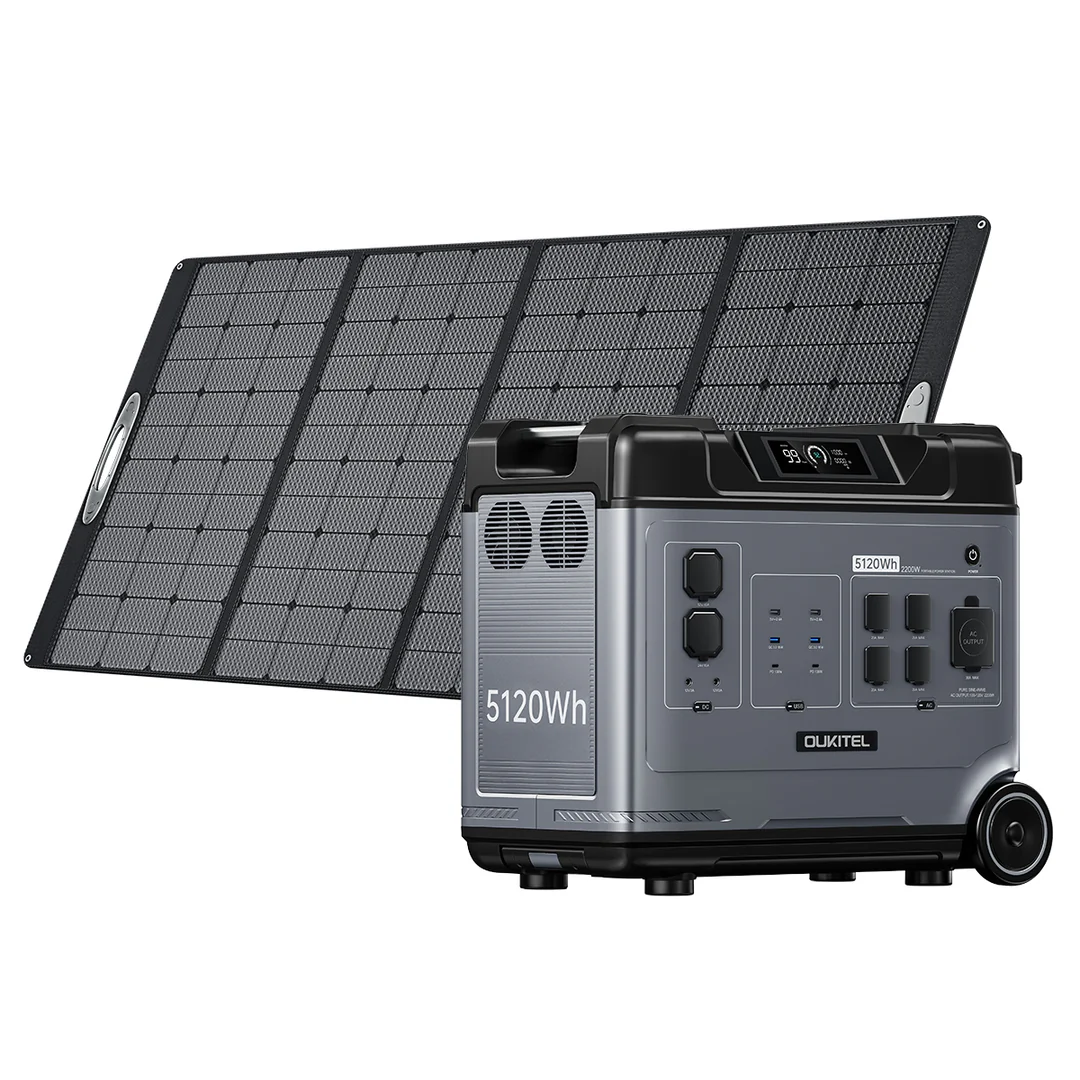
- Capacity: 5120Wh
- Output: 2200W continuous, 4000W surge.
- Recharge: 1.8 hours (dual input: 1000W solar + 1800W AC).
- Cycle life: 5000+ LiFePO₄ cycles (≈10 years).
- Noise level: ~50 dB.
- Features: wheels + handle, low-temp charging system, UPS-ready.
Performance in winter:
- Powers electric heaters, induction cooktops, and even portable ovens.
- Handles high-draw loads without flicker or shutdown.
- Charges via solar in weak sunlight thanks to MPPT controller efficiency.
Why it’s a top performer:
This size category turns your tent or van into a full winter cabin — the best portable power station for car camping 2025 and extended winter expeditions.
Best Portable Power Stations for CPAP Camping
Cold weather increases humidity and condensation, making uninterrupted CPAP power crucial.
Key features to look for:
- Pure sine-wave inverter for smooth current.
- Overnight runtime: at least 500–800Wh per night.
- Low noise (<30 dB) for comfortable sleep.
- Pass-through charging so you can recharge while using.
A mid-capacity 1000–2000Wh LiFePO₄ station easily powers a CPAP + humidifier for 2–3 nights per charge. Add a 200W solar panel, and you can recharge daily during daylight hours.
Best Portable Power Station for Car Camping
For car campers, efficiency and form factor are key.
Look for:
- Weight ≤ 25 kg (easy loading/unloading).
- Dual handles or wheels for mobility.
- Multiple port types: AC, USB-C, DC car plug.
- Fast recharge while driving: 12V–24V car input (~6 hrs).
Mid-sized 2 kWh stations are the sweet spot — compact enough for the trunk, but powerful enough to run coolers, fans, or electric kettles.
Best Budget Portable Power Station for Camping
Not all winter power solutions have to cost a fortune. If you’re looking for value, consider smaller 500–800Wh models with:
- LiFePO₄ battery chemistry (long-term savings).
-
Solar input support for off-grid charging.
- LED lighting integration.
Even entry-level models now feature fast AC charging (≤1 hour) and quiet operation, making them great for beginners.
How to Use Portable Power Stations Safely in Cold Weather
Cold weather poses unique challenges, but following these steps keeps your battery healthy and efficient.
Keep It Warm Before Use
Batteries don’t like freezing starts. Keep your station inside the tent or RV before powering on. If you must leave it outside, insulate with a blanket or battery jacket.
Pre-Warm Before Charging
Avoid charging when below 0°C — some models have built-in low-temperature protection to prevent charging until the cells warm up.
Store with 60–80% Charge
If not used for weeks, store partially charged in a dry, room-temperature space.
Minimize Heat Loss
Cold drains battery faster. Keep cables short, devices close, and ports protected from frost or moisture.
Use Solar in the Day
Even weak winter sunlight helps maintain charge. Angle solar panels toward the sun (≈30–40° tilt) for maximum efficiency.
Winter Gear You Can Power
Here’s what typical power stations handle during cold-weather camping:
|
Device |
Power Draw |
Runtime on 2 kWh Station |
|
Electric blanket |
100W |
16–18 hours |
|
Portable heater |
600W |
3–3.5 hours |
|
LED lights |
15W |
100+ hours |
|
CPAP machine |
50W |
30–36 hours |
|
Coffee maker |
800W |
2–3 hours |
|
12V fridge |
60W |
30+ hours |
The takeaway: even mid-size batteries give you multiple days of warmth and comfort before needing a recharge.
Tips for Maximizing Performance in Freezing Temperatures
- Use LiFePO₄ units — far more cold-resistant.
- Avoid full discharges — recharge when under 20%.
- Combine solar + AC input for quick daytime top-ups.
- Check firmware/app for temperature and cycle data.
- Keep vents clear — ensure airflow during charging.
With proper care, even deep-freeze camping (–10°C to –15°C) won’t stop your power station from working flawlessly.
Best Portable Power Stations for Camping in Australia
Australia’s diverse climate demands versatile gear. Whether tackling alpine chill or coastal wind:
- LiFePO₄ batteries endure both cold and heat extremes.
- Solar charging is perfect for long, sunny days.
- Dust-resistant casings handle red desert conditions.
Models between 1.5–2.5 kWh are ideal for weekenders or remote road trips, balancing capacity and portability.
Real-World Winter Camping Review
Test Conditions:
–6°C overnight, light snow, 2-person tent.
Power setup: 2 kWh LiFePO₄ power station + 200W solar panel.
Used for:
- 1 heated blanket (100W, 6 hrs)
- 1 CPAP machine (50W, 8 hrs)
- Lighting and phone charging
Result:
Battery at 45% by morning; recharged to 90% by late afternoon using solar and car input combined. No freezing issues, no noise, and zero fuel smell.
Takeaway:
Modern power stations handle cold better than expected — quiet, dependable, and simple to use, even at subzero temperatures.
Eco-Friendly Bonus: Solar + LiFePO₄ Combo
Pairing a solar panel with a LiFePO₄ power station creates a fully renewable loop.
Advantages:
- No fossil fuel required.
- Works anywhere sunlight reaches.
- Reduces waste heat, perfect for tents and RVs.
- Qualifies as a sustainable energy source under most eco-camping standards.
It’s clean energy that fits right in your trunk.
What to Expect in 2025’s Camping Models
The best portable power stations for camping 2025 are evolving fast:
- Faster dual-input charging (AC + Solar <1h)
- Expanded temperature ranges (-20°C start protection)
- Integrated smart apps for tracking weather + battery
- Stronger IP ratings (IP65+ waterproofing)
- Hybrid solar/generator combo kits
Next year’s gear will be smarter, lighter, and even more rugged — ideal for serious campers.
Frequently Asked Questions
What’s the best portable power station for camping in 2025?
Models with LiFePO₄ batteries, 1000–2500Wh capacity, and solar compatibility top the list.
Can portable power stations work in snow or below freezing?
es. LiFePO₄ units perform well down to –10°C and include low-temperature protection for safe charging.
What size power station do I need for winter camping?
At least 1000Wh for lights, heaters, and CPAP. For multi-day stays, 2000–4000Wh is ideal.
Are they safe inside tents or vans?
Yes — zero emissions and quiet operation make them perfectly safe indoors.
What’s the best budget option?
Compact 500–800Wh LiFePO₄ models under $400 offer reliable weekend power at great value.
Final Thoughts: Power Through Winter with Confidence
Whether you’re heading to the snowfields, camping in alpine forests, or sleeping in your SUV under a frosty sky, the best portable power station for camping ensures warmth, comfort, and safety.
Choose based on your usage:
- Budget campers: 500–800Wh class.
- Frequent travelers / CPAP users: 1000–2000Wh.
- Full-time RVers or family camps: 4000–5000Wh+.
These modern power stations redefine winter camping — silent, sustainable, and built to thrive when nature turns cold.
With the right setup, you’ll never again wake up to frozen batteries or powerless mornings. Just quiet energy, fresh air, and endless adventure.


Looking for something else?
mAh to kWh: How to Convert and Understand Battery Capacity
LEARN MORE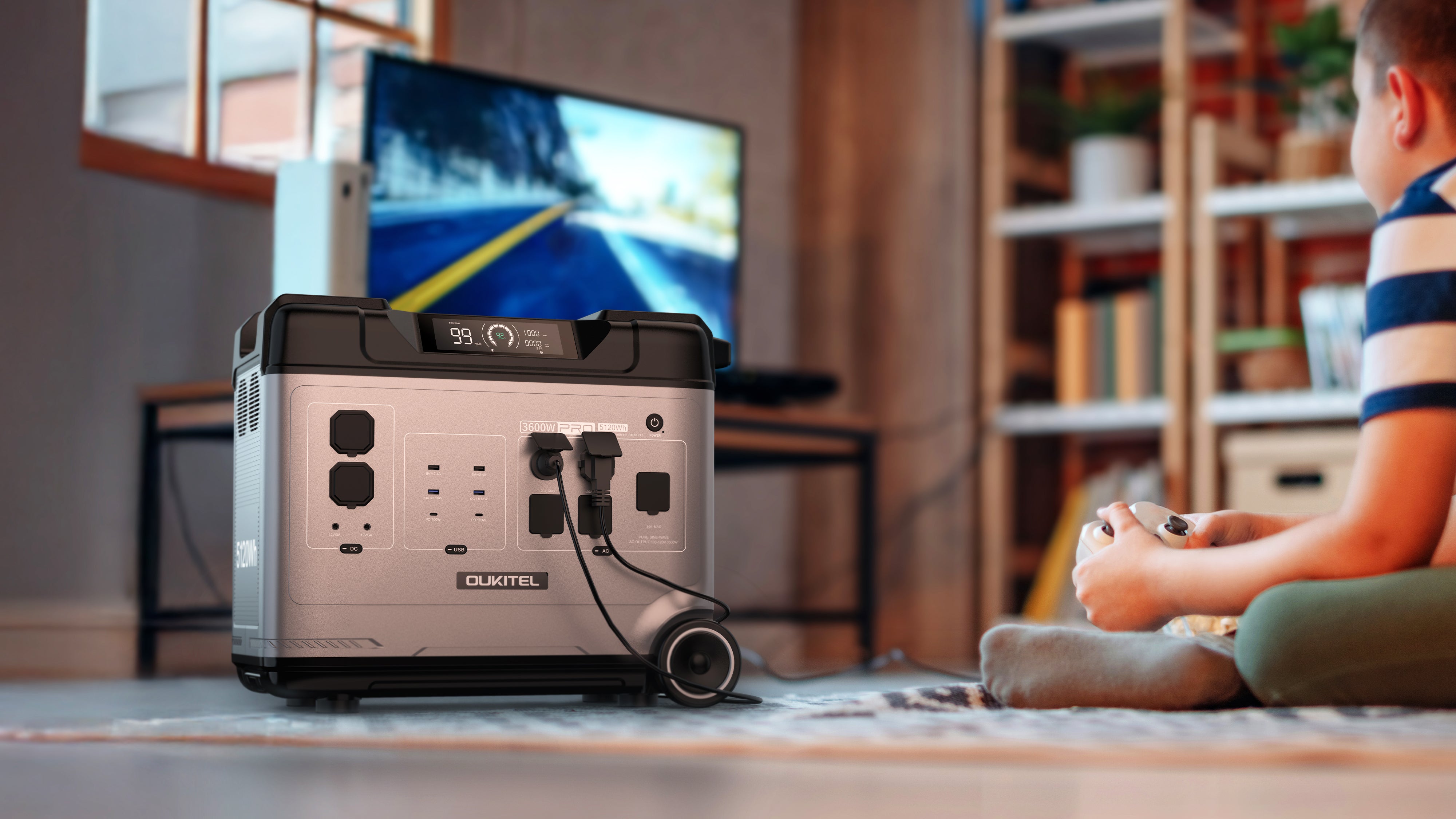
How Many mA in an Amp: Understanding Electrical Conversion
LEARN MORE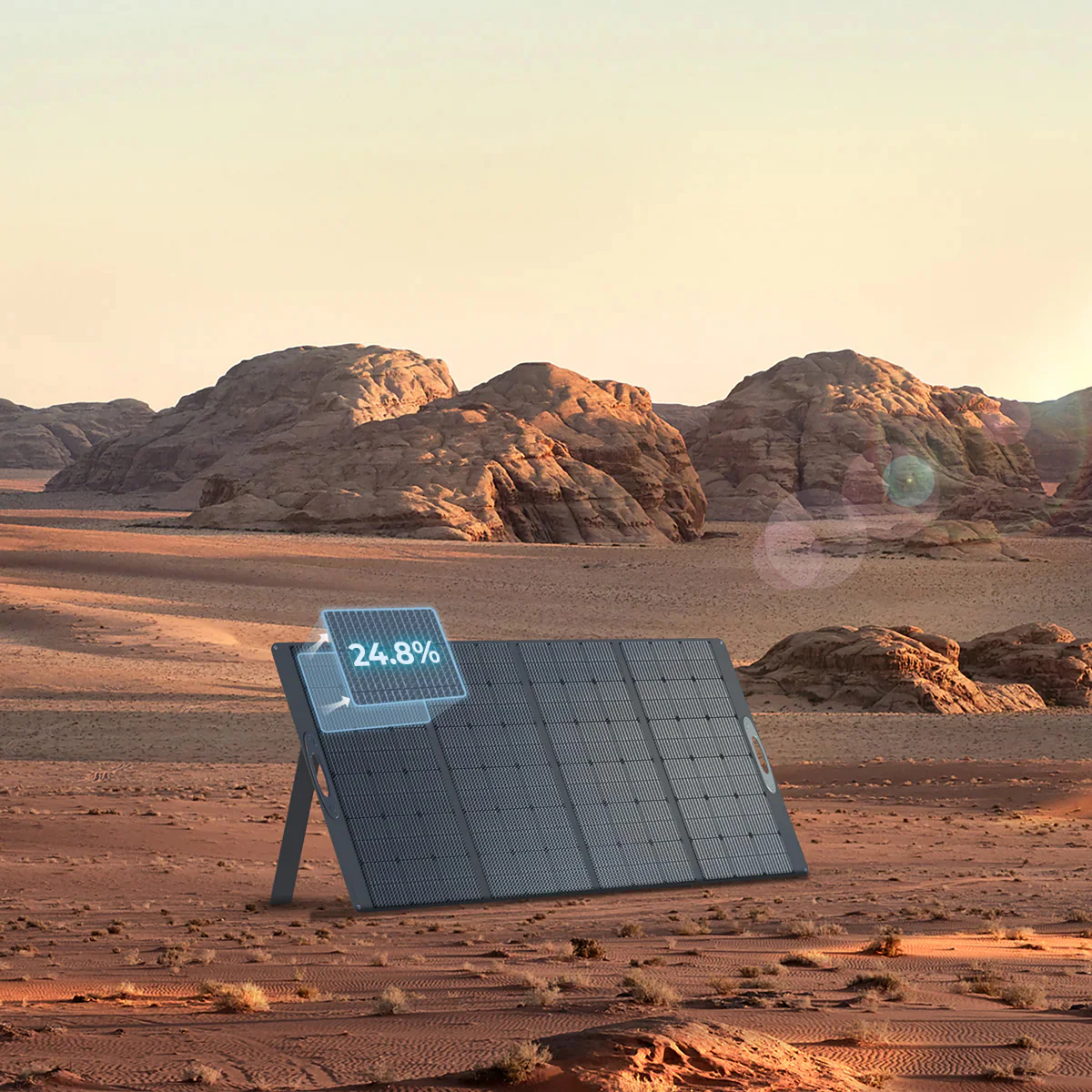
Solar Array Roof: How to Mount on Pitched and Non-Pitched Roofs
LEARN MORE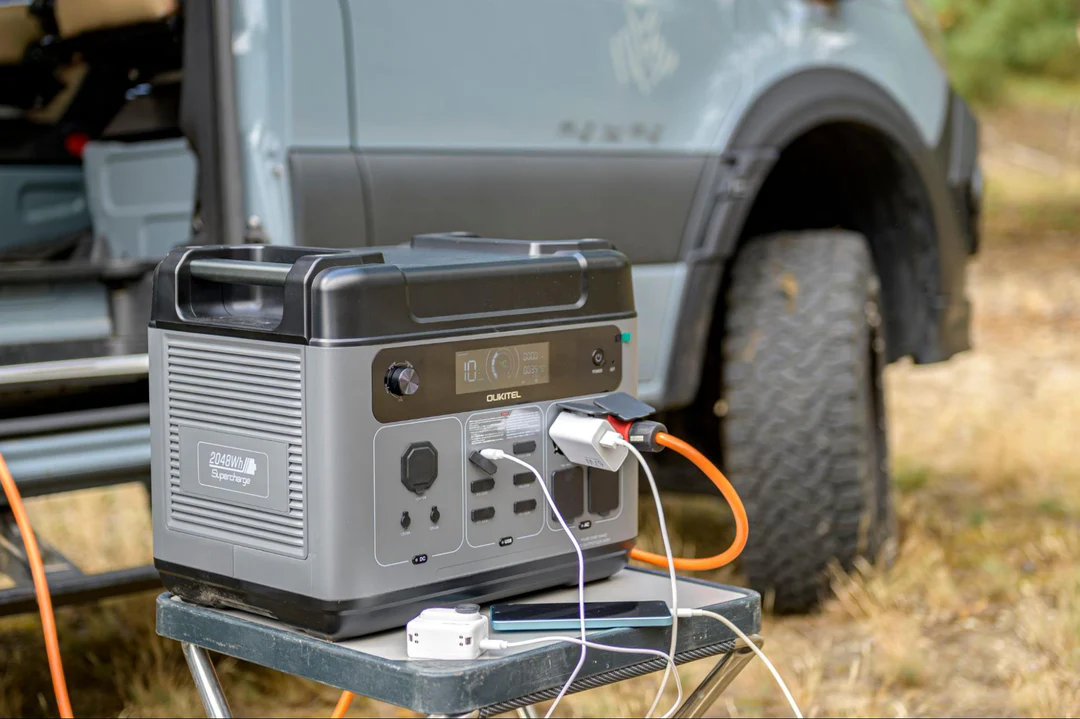
Power Tool Battery Standardization: Benefits and Guidelines
LEARN MORELooking for something else?
What Size Portable Power Station Do I Need: Complete Guide
LEARN MORE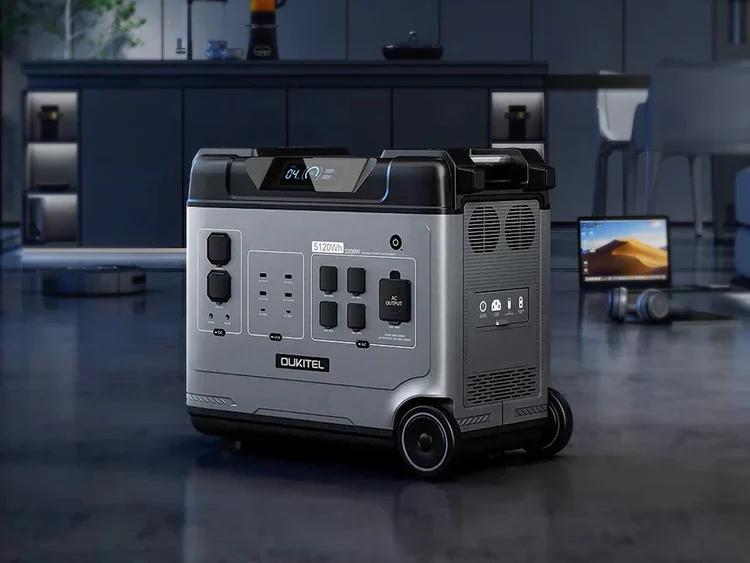
Watts to BTU/hr: How to Convert and Apply the Formula
LEARN MORE
OUKITEL Energy Storage Shines at the 139th Canton Fair, Global Customers Experience Product Strength On-Site
LEARN MOREYou may also like

OUKITEL P2001 Plus+400W Solar Generator

OUKITEL P2001 Plus+2*200W Solar Generator

OUKITEL P2001 Plus+200W Solar Generator
OUKITEL BP3000 Portable Power Station 3200W | 2048Wh

OUKITEL P5000 Pro+400W Solar Generator
OUKITEL BP2000+400W Solar Generator
Further reading
Portable Power Station for Van Life: 1-7 Day System Sizing Guide
Portable Power Station for Apartment Blackouts: Indoor Backup Guide