

 Flashlight
 Solar
Extension Cable
Solar
Extension Cable


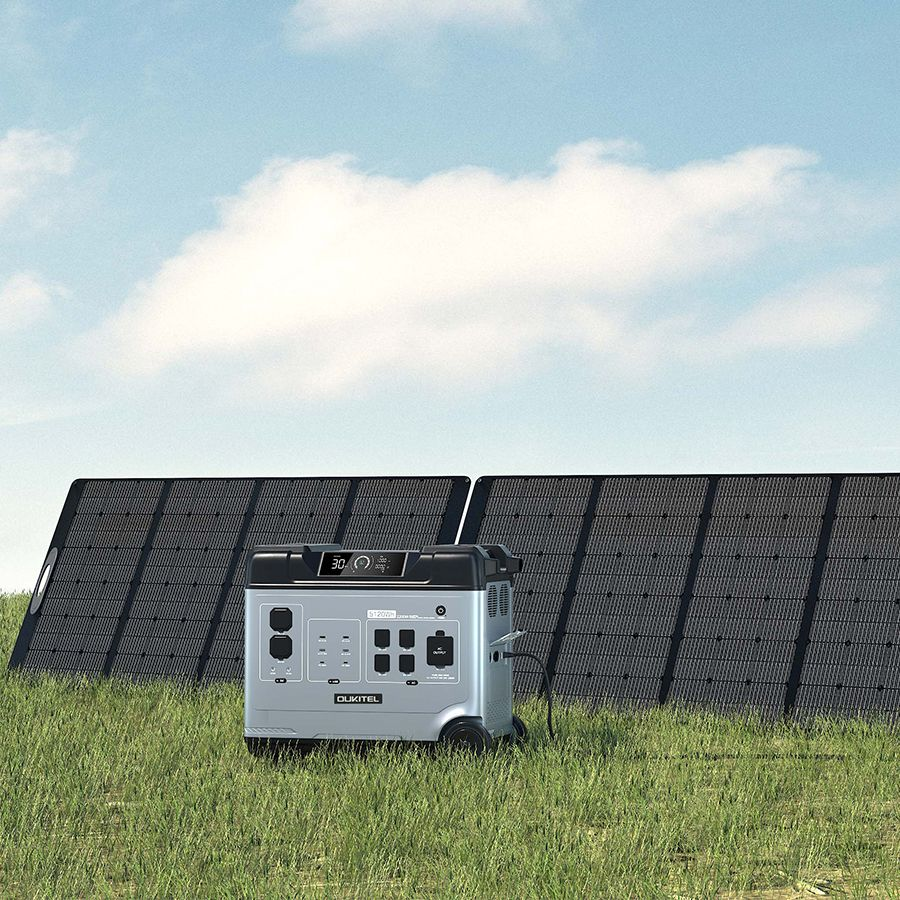
Are Solar Panels Worth It? A Complete Guide
Solar energy promises clean, reliable, and renewable electricity—but does that mean installing solar panels always makes sense?
The answer depends on where you live, how you use energy, and what you expect from solar power. In this complete guide, we’ll explain how solar panels work, why they’re valuable for most homeowners, and when they might not be the best choice—especially in unique climates like Texas.
How Solar Panels Actually Save Energy
At their core, solar panels convert sunlight into usable electricity through the photovoltaic effect. Each panel produces direct current (DC) electricity, which an inverter transforms into alternating current (AC)—the same type your home already uses.
Once installed, your system feeds power directly into your home’s circuits, powering appliances and lights. When sunlight is strong, you rely less on the grid; when it’s weak or at night, you draw from stored energy (if you have batteries) or from the utility network.
In short: every kilowatt hour your panels produce is one you don’t have to buy.
The Main Benefits of Going Solar

Energy Independence
Owning solar panels means generating your own electricity from the sun—protecting yourself from grid outages and rate increases.
Environmental Impact
Solar power produces zero emissions while operating. For every kilowatt-hour generated, you reduce your carbon footprint and help slow climate change.
Low Maintenance
Panels have no moving parts and can last 25 years or more. Occasional cleaning and inspections keep them performing efficiently.
Quiet Operation
Unlike gas generators, solar systems operate silently—no fumes, no vibration, and no noise pollution.
Increased Property Appeal
Homes equipped with renewable energy systems are often more attractive to buyers who value sustainability and lower bills.
Flexible Applications
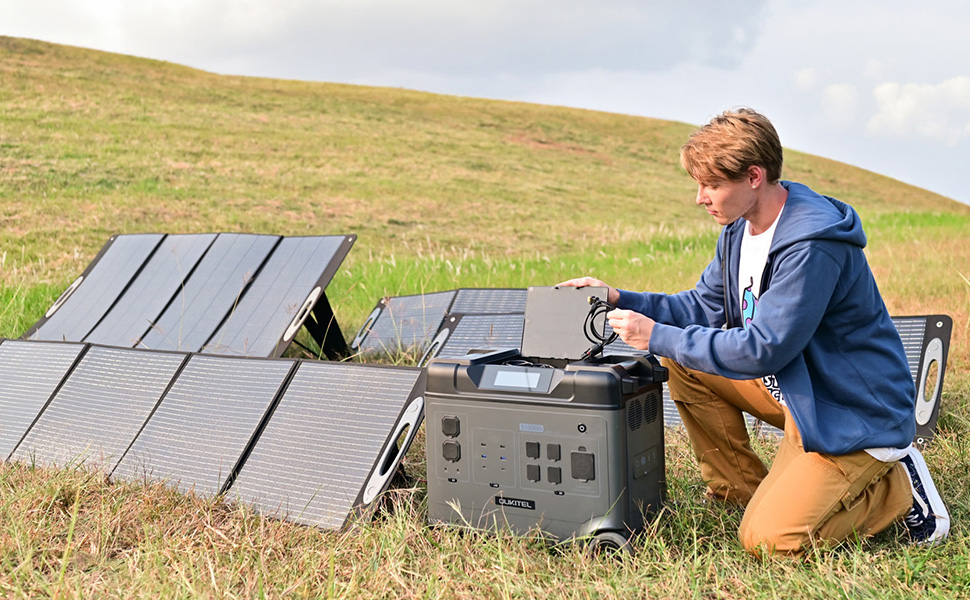
You don’t need a large roof to benefit. Portable systems, RV panels, and solar generators can supply off-grid power for cabins, camping, or emergencies.
Explore these flexible options in our Solar Generators Collection.
When Solar Panels Might Not Be Worth It

While the advantages are clear, solar isn’t perfect for every situation.
Limited Sun Exposure
If your property sits in heavy shade from trees or nearby buildings, your panels won’t generate enough power to be effective.
Improper Roof Angle or Orientation
Solar panels perform best on south-facing roofs (in the Northern Hemisphere) with minimal obstructions. Flat or north-facing roofs reduce daily production.
Frequent Storm Damage
Regions with intense hail, hurricanes, or dust storms may face higher maintenance and downtime risks.
Temporary Residency
If you plan to move within a few years, you might not enjoy the long-term value solar provides.
Low Electricity Use
Homes that already consume minimal energy see smaller returns compared to large households or high-usage properties.
These scenarios explain why solar panels are not worth it for everyone—but most issues can be mitigated with portable or hybrid systems.
Are Solar Panels Worth It in Texas?
Texas is one of the most promising solar states in the U.S.—but also one of the most misunderstood.
Strong Sunlight Potential
Texas enjoys over 230 sunny days per year, making it ideal for efficient solar generation. Even during mild winters, sunlight intensity stays high enough to sustain year-round energy production.
High Energy Demand
Texans rely heavily on air conditioning and electric heating, both of which drive up electricity use. Solar offsets this daily demand while reducing grid strain during summer peaks.
Grid Reliability Concerns
After winter storms and rolling blackouts, many residents want backup solutions. Pairing solar panels with a battery or portable solar generator ensures critical devices stay powered during outages.
Rural Advantages
Remote Texas properties often lack stable grid access. Solar energy provides consistent off-grid electricity for water pumps, lighting, and communication gear.
Challenges to Consider
- Some regions experience dust and heat loss, reducing efficiency slightly.
- Large storms require panels with high wind ratings and proper anchoring.
- Utility interconnection rules differ by county—always confirm local guidelines.
Verdict: For most of Texas, solar panels are absolutely worth it—especially when combined with energy storage for resilience during unpredictable weather.
How Solar Panels Work Day and Night
Understanding how solar power flows helps you maximize its value.
During the Day
Panels absorb sunlight and generate DC electricity. Your inverter converts it to AC, powering your home directly. Any excess energy either:
- Charges your battery system, or
- Flows back to the grid for credit (if your utility offers net metering).
At Night
Panels stop producing power once sunlight fades. Your home then draws energy from:
- Stored battery power, if available.
- The utility grid, if connected.
This seamless transition means you never lose electricity, even when the panels are inactive.
Solar Panels vs Traditional Power Sources
|
Feature |
Solar Energy |
Grid Electricity |
Gas Generator |
|
Energy Source |
Sunlight |
Fossil Fuels |
Gasoline / Diesel |
|
Emissions |
None |
High CO₂ |
Moderate CO₂ |
|
Noise |
Silent |
— |
Loud |
|
Fuel Cost |
Free |
Variable |
Ongoing |
|
Operation |
Automatic / Daylight |
Continuous |
Manual Refill |
|
Longevity |
25 + years |
— |
5–10 years |
Solar stands out for sustainability and simplicity, with minimal moving parts and zero fuel dependency.
The Role of Solar Batteries and Generators
Solar batteries store extra energy for later use, extending your system’s value.
For smaller or mobile setups, portable solar generators combine panels, batteries, and inverters in one unit.
Benefits include:
- Quiet, emission-free backup power.
- Quick deployment for camping, RVs, or home emergencies.
- Compatibility with 12 V and 24 V solar panels.
These systems show that even renters or travelers can enjoy solar energy without installing permanent panels.
Key Pros and Cons of Solar Panels
|
Pros |
Cons |
|
Renewable energy source |
No power generation at night |
|
Reduces grid dependence |
Requires sunny exposure |
|
Low maintenance |
Upfront installation complexity |
|
Long lifespan |
Not ideal for shaded properties |
|
Works well with batteries or solar generators |
Performance varies with weather |
Balancing these factors helps determine if solar fits your lifestyle and climate.
Why Solar Panels Are Often Worth It Despite Concerns
Even skeptics who claim “solar panels are not worth it” overlook several real-world advantages:
- Energy security—solar keeps you powered during blackouts.
- Technology improvements—modern panels are lighter, more efficient, and longer-lasting than ever before.
- Environmental benefits—each kilowatt hour offsets fossil-fuel emissions.
- System flexibility—mix fixed and portable setups for 24-hour energy availability.
When evaluated over time, the energy independence and environmental return far outweigh initial setup challenges.
Common Misconceptions About Solar Panels
|
Myth |
Reality |
|
“Solar doesn’t work on cloudy days.” |
Panels still produce 10–30% output under diffused light. |
|
“You can’t run a house entirely on solar.” |
Modern systems with storage easily power full homes. |
|
“Solar panels damage roofs.” |
Professionally installed panels often protect roof sections from weathering. |
|
“Solar only makes sense in hot states.” |
Cooler climates can be just as efficient; panels prefer mild temperatures. |
|
“Solar is too complicated to manage.” |
Once installed, systems run automatically and require minimal attention. |
Environmental Perspective: Why Solar Is the Future
The global energy shift toward renewables centers on one truth: the sun is limitless.
Each hour, Earth receives more solar energy than humanity uses in an entire year. By tapping even a fraction of it, we reduce dependency on fossil fuels, cut pollution, and support sustainable growth.
For homeowners and travelers alike, solar is both an eco-friendly choice and a practical solution to rising energy challenges.
How to Decide if Solar Is Right for You
Ask yourself these questions:
- Do you get at least 4–5 hours of direct sunlight daily?
- Is your roof or yard free of significant shading?
- Are you planning to stay long-term in your current property?
- Do you want backup power during outages?
- Are you interested in lowering your environmental impact?
If you answered “yes” to most, solar panels are likely worth it for your home.
What to Expect from Modern Solar Technology
- Higher efficiency: Top panels exceed 22 % conversion rates.
- Longer lifespan: Durable materials withstand decades of use.
- Smart monitoring: Track production and usage via apps.
- Integration: Pair with batteries and EV chargers for complete home solutions.
Innovation continues to drive solar toward mainstream adoption in cities and remote regions alike.
Are Solar Panels Worth It for You?
If your area receives decent sunlight and you use moderate to high electricity, solar panels are almost always a strong long-term decision.
In Texas, where sunlight is abundant and power outages can be frequent, combining solar panels with a battery or solar generator offers both independence and peace of mind.
However, if you live in a shaded, storm-prone, or temporary location, you might explore smaller portable options instead of full rooftop systems.
Summary Table
|
Question |
Short Answer |
|
Are solar panels worth it? |
Yes, in most sunny regions with consistent use. |
|
Are solar panels worth it in Texas? |
Absolutely — high sunlight and growing grid instability make solar valuable. |
|
Why solar panels are not worth it sometimes? |
Shaded roofs, short ownership, or low energy consumption reduce benefit. |
|
How long do they last? |
Typically 25 + years with minimal maintenance. |
|
Do they work at night? |
No, but batteries or the grid cover nighttime power needs. |
Conclusion
So — are solar panels worth it?
For most homeowners and off-grid users, yes. They provide clean, dependable power, long-term energy savings, and environmental peace of mind.
In places like Texas, where sunlight is plentiful and grid reliability is less certain, solar is not just worth it — it’s a smart investment in security and sustainability.
Even if you’re not ready for a full installation, portable solar generators offer a practical first step into renewable energy.
With sunlight as your fuel, the future of power is already on your roof — and it just might be the brightest decision you make.


Looking for something else?
How Long Do Solar Panels Last: Residential and Commercial Insights
LEARN MORE
What Are Solar Panels Made Of: Materials Behind Solar Power
LEARN MORE
How to Install Solar Panels: Costs and Step-by-Step Guide
LEARN MORE
How to Get a Perfect Christmas: Last-Minute Deals 2025
LEARN MORELooking for something else?
Do Solar Panels Work on Cloudy Days? Efficiency and Insights
LEARN MORE
Do Solar Panels Work at Night? How Solar Energy Functions After Dark
LEARN MORE
Winter Emergency Power: Last-Chance Deals for Portable Power Station
LEARN MOREYou may also like

OUKITEL BP2000 PRO Portable Power Station 3300W

OUKITEL C01 Car Jump Starter 1350A | 80Wh | PD60W

OUKITEL BP5000 PRO MAX Portable Power Station 5000W | 5120Wh

OUKITEL P2001 Plus+400W Solar Generator

OUKITEL P2001 Plus+2*200W Solar Generator

OUKITEL P2001 Plus+200W Solar Generator
Further reading

Can a Solar Generator Power a House? 2026 Whole-Home Backup Guide

How Do Portable Power Stations Work? 2026 Technical Explainer