








 Flashlight
 Solar
Extension Cable
Solar
Extension Cable


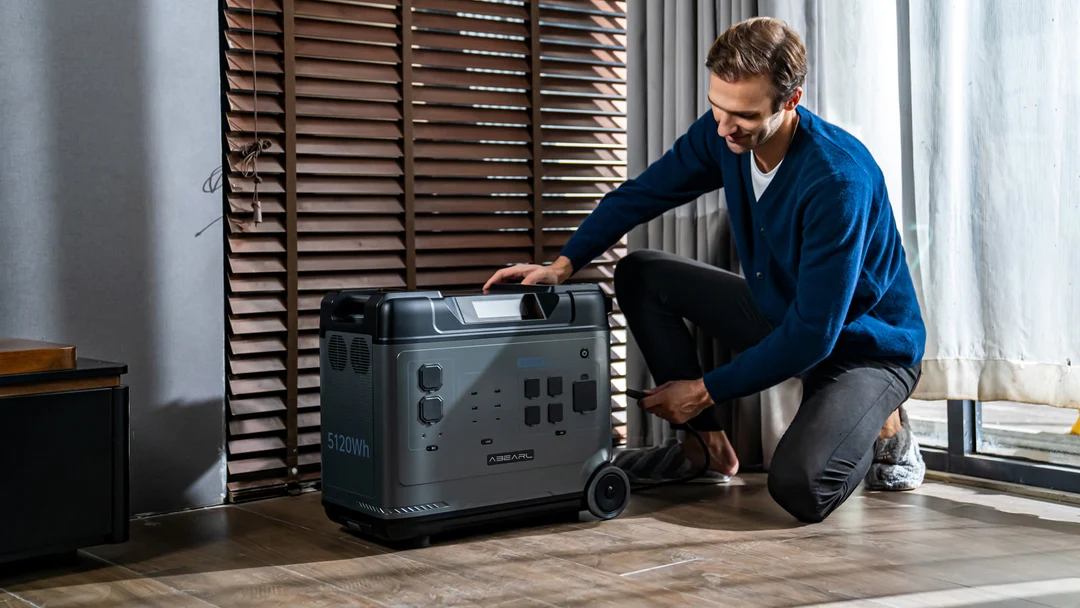
LiFePO4 Portable Power Station: Why It’s Safer and Lasts Longer
From powering your RV to charging your tools, lights, and laptops, a portable power station is the ultimate off-grid essential. But not all power stations are created equal.
The latest innovation changing the industry is the LiFePO₄ portable power station — a new generation of energy storage built for longer life, better safety, and greater reliability.
If you’ve ever wondered why so many outdoor travelers and emergency preppers are switching from regular lithium batteries to LiFePO₄, this guide explains everything — from what makes it different to why it’s now considered the best portable power station battery type for 2025 and beyond.
What Is a LiFePO₄ Portable Power Station?
LiFePO₄ stands for Lithium Iron Phosphate, a type of lithium battery chemistry that delivers stable performance, low heat generation, and an exceptionally long lifespan.
A portable power station with a LiFePO₄ battery is a self-contained system that stores electricity for later use — whether charged from wall outlets, car sockets, or solar panels. Unlike fuel generators, it’s quiet, clean, and maintenance-free, making it perfect for camping, RV trips, and home backup.
LiFePO₄ vs. Standard Lithium: What’s the Difference?
To understand why LiFePO₄ technology is superior, it helps to compare it directly with traditional lithium-ion (Li-NMC or Li-CoO₂) batteries used in older power stations.
|
Feature |
Standard Lithium-Ion |
LiFePO₄ |
|
Cycle life |
500–800 cycles |
3,500–5,000 cycles |
|
Thermal safety |
Moderate (can overheat) |
Excellent (no thermal runaway) |
|
Temperature range |
0–40 °C |
–10 °C to 50 °C |
|
Lifespan |
2–3 years typical |
8–10 years typical |
|
Eco-toxicity |
Uses cobalt & nickel |
Non-toxic, cobalt-free |
|
Cost per cycle |
Higher over time |
Lower (due to longevity) |
While lithium-ion batteries are compact and affordable, LiFePO₄ batteries are engineered for endurance — lasting up to 5–7× longer with minimal capacity loss even after thousands of charge cycles.
Why LiFePO₄ Portable Power Stations Are Safer

Safety is where LiFePO₄ technology truly shines.
- Thermal Stability – LiFePO₄ cells stay cool under heavy load. They don’t overheat or explode, even if punctured or overcharged.
- Non-flammable Chemistry – The iron-phosphate structure is naturally stable, drastically reducing fire risks.
- Stable Voltage Output – Consistent current prevents surges that can damage sensitive electronics.
-
No Toxic Heavy Metals – These batteries contain no cobalt or nickel, making them environmentally and human-safe.
- Battery Management System (BMS) – Built-in smart chips regulate temperature, voltage, and current for maximum protection.
This combination of structural safety + electronic safety makes LiFePO₄ the most trusted battery for indoor, family, and RV environments.
How Long Do LiFePO₄ Portable Power Stations Last?
A typical LiFePO₄ battery can endure 3,500 to 5,000 full charge cycles, retaining about 80% of its original capacity even after a decade.
To put that into perspective:
- If you recharge once per day, your power station could last nearly 10 years.
- That’s 5–7× the lifespan of regular lithium or lead-acid batteries.
It’s this durability that makes LiFePO₄ ideal for long-term users — campers, off-grid families, and homeowners seeking dependable backup energy.
Top Advantages of LiFePO₄ Portable Power Stations

Longer Lifespan
Because the cells degrade slowly, your investment pays for itself over time. You buy once, use for years.
Consistent Power Output
LiFePO₄ maintains a steady voltage from full charge to near-empty, keeping appliances running at stable performance — no flickering lights or device resets.
Faster, Flexible Charging
Modern models support dual input (AC + solar) charging up to 1800 W, allowing full recharge in just 1–2 hours. That’s perfect for short stopovers or unpredictable weather.
Superior Heat Tolerance
Whether under the blazing sun or chilly mornings, LiFePO₄ batteries perform reliably. Their chemistry resists heat-related degradation better than any other lithium type.
Eco-Friendly and Recyclable
LiFePO₄ uses natural iron and phosphate, producing zero heavy-metal pollution. It’s one of the most sustainable battery technologies available today.
Common Use Scenarios
|
Situation |
Why LiFePO₄ Works Best |
|
Camping trips |
Lightweight, silent, solar-compatible power. |
|
RV travel |
Handles long cycles, powers heavy devices safely. |
|
Home backup |
Reliable during blackouts, EPS function kicks in instantly. |
|
Outdoor filming or work sites |
Stable, pure sine wave output for sensitive gear. |
|
DIY solar setups |
Easy to integrate and safe to store indoors. |
These stations aren’t just for emergencies — they’ve become everyday tools for energy independence.
Understanding Capacity: From 500 Wh to 5000 Wh
The right capacity depends on your lifestyle. Here’s what different LiFePO₄ sizes can handle:
|
Capacity |
Use Case |
Typical Runtime |
|
500 Wh–800 Wh |
Weekend camping / light devices |
Phones, cameras, fans for 8–10 hours |
|
2000 Wh–2500 Wh |
Medium RVs / off-grid cabins |
Mini-fridge, TV, cooking tools for 1–2 days |
|
4000 Wh–5000 Wh |
Full home backup / heavy-duty travel |
Air conditioner, heaters, power tools, medical devices for 2–3 days |
A portable LiFePO₄ power station around 2 kWh is the most popular all-rounder — powerful enough for most home or road scenarios while remaining easy to carry.
Why LiFePO₄ Wins for Solar Charging
Pairing a LiFePO₄ station with solar panels creates a renewable, endless power system.
Advantages:
- MPPT solar controllers extract up to 99% of available sunlight.
- High solar input (200–1000 W) for rapid recharging.
- Sustainable independence — perfect for cabins and RVs.
Even smaller units (like 500 Wh–800 Wh) can fully recharge from solar in under 3 hours on a sunny day.
Real-World Example: From Compact to Heavy-Duty

Compact 500–800 Wh Class
Lightweight (≈ 6 kg), one-hand carry, suitable for tents or weekend getaways. Runs small electronics for hours, recharges in just 1 hour via AC or 2.5 hours via solar.
Mid-Range 2 kWh–2.5 kWh Class
Balances power and portability. Perfect for running an entire RV setup: induction cooker, mini fridge, laptop, and lighting — all from one hub.
Offers 2400 W output, LiFePO₄ longevity (3500 + cycles), and smart app control for real-time monitoring.
High-Capacity 5 kWh Class
Built for extended off-grid living. Handles air conditioners, heaters, or even EV top-ups.
Equipped with 2200 W continuous output, 1000 W solar input, and dual AC + solar fast charge — a powerhouse for serious travelers.
Maintenance Tips for Maximum Longevity
- Keep charge between 20–80% when storing long-term.
- Avoid full discharges — shallow cycling extends life.
- Charge every 3–4 months if unused.
- Clean vents regularly to prevent dust accumulation.
- Store in a cool, dry place (10–30 °C ideal).
LiFePO₄ batteries are remarkably low-maintenance — follow these basics and you’ll get a decade of dependable service.
How to Choose the Best LiFePO₄ Portable Power Station

When comparing portable power station, look for:
- Cycle life ≥ 3,000
- Pure sine-wave inverter
- Fast-charge support (AC ≥ 500 W)
- MPPT solar input
- Noise < 50 dB
- Comprehensive warranty (≥ 2 years)
- BMS with temperature + current control
If a unit checks all these boxes, you’ve found a high-quality best LiFePO₄ portable power station suited for any environment.
Why LiFePO₄ Makes Sense Financially
At first glance, LiFePO₄ systems may cost slightly more. But calculate the cost per cycle, and the value becomes obvious.
|
Battery Type |
Avg. Cost |
Cycles |
Cost per Cycle |
|
Lithium-ion |
$600 |
800 |
$0.75 |
|
LiFePO₄ |
$800 |
4000 |
$0.20 |
That’s nearly 4× cheaper over time, making LiFePO₄ not just safer — but smarter for your wallet.
Eco-Friendly Energy for a Sustainable Future
With global demand for cleaner energy rising, LiFePO₄ batteries represent a major leap forward. They:
- Contain no rare or toxic metals.
- Are fully recyclable.
- Support renewable energy ecosystems.
Switching to a LiFePO₄ portable power station reduces dependence on fossil fuels while supporting a cleaner, quieter lifestyle.
Everyday Benefits You’ll Notice
- Peace of mind: No fumes, no fire risk.
- Instant readiness: 1-hour charging means less waiting.
- Portability: Compact bodies with integrated handles/wheels.
- Silence: Operates below 50 dB — ideal for night use.
- Smart control: Many support Bluetooth/Wi-Fi apps for monitoring.
These features redefine what “portable” power really means — mobility with true confidence.
Frequently Asked Questions
What does LiFePO₄ mean in a power station?
It stands for Lithium Iron Phosphate, a type of lithium battery known for safety, long cycle life, and stable performance.
How long does a LiFePO₄ battery last?
Typically 8–10 years or 3,500+ cycles, depending on usage.
Can I use solar panels with a LiFePO₄ power station?
Yes, most include MPPT solar controllers and accept 200–1000 W solar input for green, off-grid recharging.
Is LiFePO₄ safer than other lithium batteries?
Absolutely — it’s thermally stable, non-flammable, and won’t overheat or leak under normal use.
What’s the best LiFePO₄ portable power station size for travel?
Around 500–800 Wh for lightweight trips, or 2000 Wh+ for RVs, work sites, and long adventures.
Final Thoughts
Whether you’re camping, working remotely, or preparing for emergencies, a LiFePO₄ portable power station gives you something no ordinary battery can — long-term peace of mind.
It’s cleaner, safer, and lasts several times longer than traditional lithium models. From small 500 Wh units to massive 5 kWh home backups, LiFePO₄ technology is setting the new global standard for portable energy.
If you want power that’s ready when you are — silent, strong, and built for the future — LiFePO₄ is the smart choice.


Looking for something else?

Portable Power Station for Freezer Backup: Runtime by Size and Temperature
LEARN MORE
Portable Power Station for a Sump Pump: Starting Watts, Runtime and Setup
LEARN MORE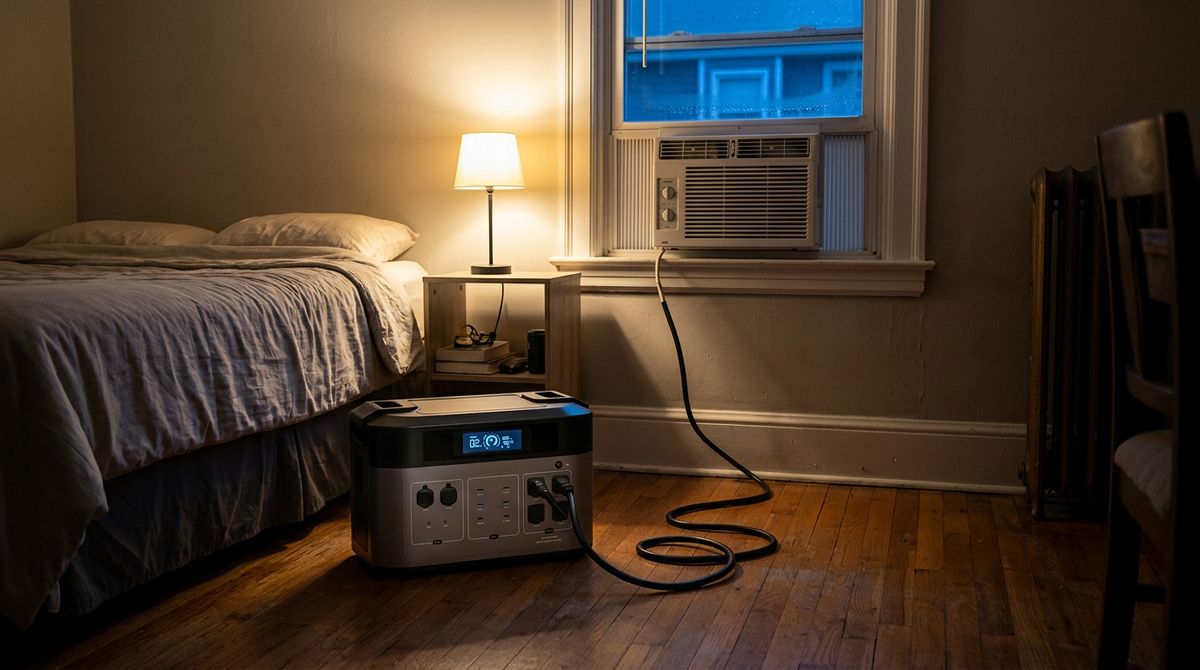
Can a Solar Generator Run a Window Air Conditioner? Size and Runtime Guide
LEARN MORE
Hurricane, Wildfire and Winter Outage Power Checklist
LEARN MORELooking for something else?
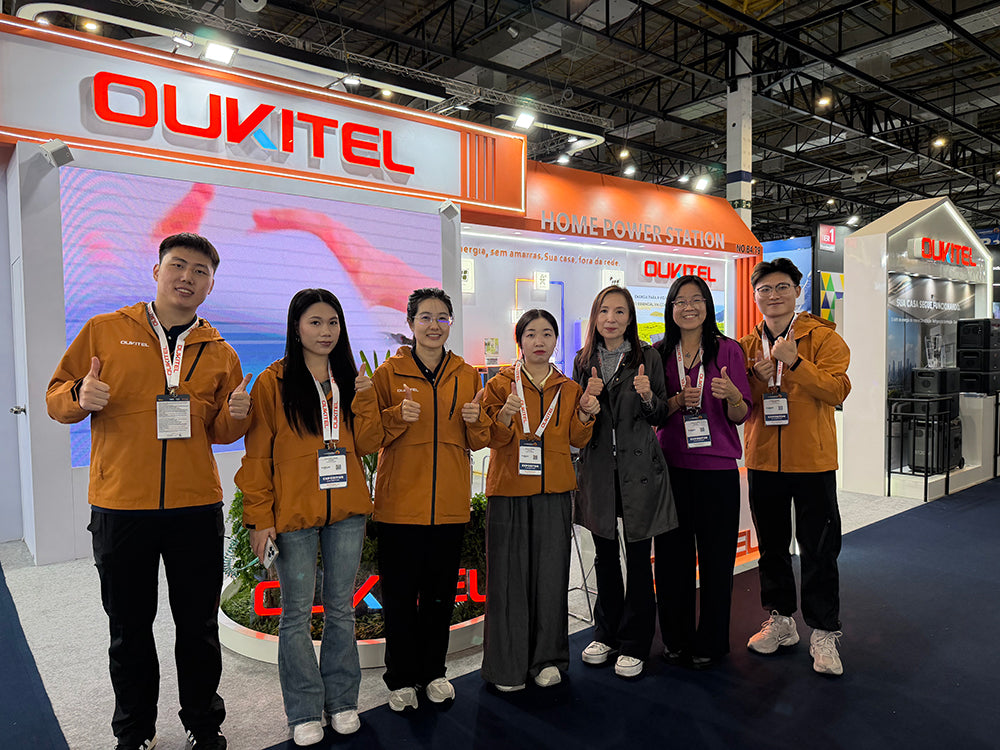
OUKITEL Showcases Energy Storage Solutions at Intersolar South America 2026, Accelerating Expansion into Latin America
LEARN MORE
Portable Power Station for Starlink: Runtime, Solar and Off-Grid Setup
LEARN MORE
Portable Power Stations for Power Tools and Job Sites: Surge, Runtime and Safety
LEARN MOREYou may also like

OUKITEL P2001 Solar Generator
OUKITEL P1000 PLUS Portable Power Station 1800W | 1024Wh


OUKITEL BP2000 Portable Power Station 2200W | 2048Wh

OUKITEL P5000 Pro Portable Power Station 5120Wh | 3600W

OUKITEL P5000 Solar Generator for Home with 400W Solar Panel
Further reading

OUKITEL P2001 Plus vs BLUETTI AC200L: Which 2kWh Station Is Better for You?

OUKITEL P2001 Plus vs EcoFlow DELTA 2 Max: 2048Wh Power Station Comparison
