








 Flashlight
 Solar
Extension Cable
Solar
Extension Cable


Best Solar Generators of 2026: Tested for Home, RV and Camping
For most homes, the best solar generator in 2026 is one with at least 2,000Wh of LiFePO4 battery and 2,400W of output. Camping is a different story, and a 500Wh to 1,000Wh unit is usually all you need there.
The reason we push home buyers toward bigger units is simple: outages last longer than they used to.
The U.S. Energy Information Administration found that the average customer lost power for 11 hours in 2024, which is close to double the average for the previous ten years. In South Carolina it was nearly 53 hours. Meanwhile, FoodSafety.gov says food in a closed fridge stays safe for about 4 hours.
Below we've picked six models from the OUKITEL portable power lineup, each one for a different kind of use. Whenever we quote a runtime, we've taken the rated capacity, knocked off 15% for inverter losses, and divided by the load. Specs were checked on OUKITEL's product pages in October 2026.
|
A note on prices
Prices change every week or two, so check the product page before you buy.
|
Our Picks for the Best Solar Generator in 2026
If you just want the short version, the P5000 Pro is our pick for whole home backup and the BP5000 Pro Max is the one to get if you need 240V. RV owners will be best served by the BP2000 Pro, and the P2001 Plus is the best value of the six. For camping we like the P1000 Plus, or the P800 if weight matters more than capacity.
What We Looked At, and What We Ignored
Most spec sheets lead with one big number. It's usually not the one that decides whether your fridge stays cold overnight.
Capacity comes first, but not as printed. Inverters waste some energy, so we work with about 85% of the rated figure. Then there's surge. A fridge compressor or well pump briefly draws two to three times its running wattage when it starts, and a unit without that headroom simply shuts itself off. We also looked at how much solar each model accepts and over what voltage range, since that decides how many panels you can wire together, and at how fast it reaches 80% from the wall.
Every model here uses LiFePO4 cells rated for between 3,500 and 5,000 cycles before dropping to 80% capacity.
Best Solar Generators for Home Backup
OUKITEL P5000 Pro: Our Top Pick for Whole Day Backup

If we had to pick one unit for a typical house, it would be the P5000 Pro. It holds 5,120Wh and puts out 3,600W continuously, with 7,200W of surge when a compressor kicks in. That's enough to keep a 120W fridge running for roughly a day and a half on battery alone.
Solar is a strong point. It accepts up to 1,000W between 12V and 120V, so you can wire two 400W panels in series (96V open circuit) and still be well inside the limit. On wall power it reaches 80% in about two and a half hours, and if you add solar at the same time, that comes down to 1 hour 25 minutes. The trade off is weight. At 53kg, you'll want to give it a permanent spot in the garage or utility room.
OUKITEL BP5000 Pro Max: For 240V Circuits and Expansion
Some appliances won't run on 120V at all. Well pumps, electric dryers and many ranges need 240V, and the BP5000 Pro Max is the only unit on this list that can provide it, through a 30A split phase outlet connected to a transfer switch.
It's also the biggest system here. Output is 5,000W continuous with 10,000W surge, and the 5,120Wh battery can be extended to 19,456Wh by adding up to seven B2000 expansion batteries. At 121.25 lb, think of it as a permanent installation, and have a licensed electrician fit the transfer switch.
Best Solar Generators for RVs and Vans

OUKITEL BP2000 Pro
In a camper, the appliances that cause trouble are the ones in the kitchen. The BP2000 Pro has a 3,300W inverter, so it handles those comfortably as long as you run them one at a time. The 2,048Wh battery expands to 16,384Wh with seven B2000 packs.
It also charges quickly, which matters when you're moving between sites. On a 2,200W wall input it reaches 80% in 55 minutes, it can charge from the car while you drive, and it accepts up to 1,000W of solar when you're parked. For loads up to 2,000W, the EPS takes over within 10ms if shore power drops.
Best Value Solar Generator: OUKITEL P2001 Plus
When we wrote this, the P2001 Plus was the cheapest 2kWh unit OUKITEL sold, and it doesn't cut many corners for the price. You still get 2,048Wh with 2,400W continuous output and 4,800W surge, which is enough to run a 120W fridge for around 14.5 hours. It charges from empty to 80% in about an hour at 1,800W, and it weighs 48.5 lb.
The one thing to watch is the solar input. It's 500W through an XT60 port, while most panels use MC4 connectors, so you'll need an adapter. If you'd rather not sort that out yourself, it's also sold in solar generator kits that come with a 200W or 400W panel.
Best Solar Generators for Camping
OUKITEL P1000 Plus: Quiet Enough for Campgrounds
Campgrounds tend to be quiet places, and the P1000 Plus suits them. It stays under 29 dB at loads below 500W, weighs 26.46 lb, and goes from empty to full in 0.85 hours on a 1,200W wall input.
Over a weekend, its 1,024Wh battery will run a 45W 12V cooler for about 19 hours, and the 1,800W inverter (3,600W surge) has no trouble with a kettle or electric griddle. Its solar input takes up to 500W at 12V to 50V, so a single 400W portable solar panel is all you need to top it up.
OUKITEL P800: For Day Trips

For day trips, we'd take the P800. At 13.23 lb you can carry it in one hand, and it still packs 512Wh behind an 800W inverter with 1,600W surge. It charges fully from the wall in about an hour and accepts up to 200W of solar.
Its nine ports, including a 100W USB-C, cover phones, cameras, laptops and lights. It will run a 40W CPAP for about 11 hours. Just don't expect it to power a fridge or a heater.
What Size Solar Generator Do You Need?
The easiest way to size a solar generator is to start from what you need to keep running. Write down each device and its wattage, multiply by the number of hours you expect to be without power, and add a margin on top. If the wattage isn't on the label, the DOE appliance energy calculator will give you a reasonable estimate, and our refrigerator and freezer sizing guide goes into more detail on cold storage.
Here are rough runtimes at each battery size, using the same 85% figure.
|
Device (average draw)
|
512Wh
|
1,024Wh
|
2,048Wh
|
5,120Wh
|
|
Full size fridge (120W)
|
3.6 hr
|
7.3 hr
|
14.5 hr
|
36.3 hr
|
|
CPAP, no humidifier (40W)
|
10.9 hr
|
21.8 hr
|
43.5 hr
|
108.8 hr
|
|
WiFi router and modem (20W)
|
21.8 hr
|
43.5 hr
|
87.0 hr
|
217.6 hr
|
|
Laptop (60W)
|
7.3 hr
|
14.5 hr
|
29.0 hr
|
72.5 hr
|
|
Window AC, 5,000 BTU (500W)
|
Not advised
|
1.7 hr
|
3.5 hr
|
8.7 hr
|
|
Why we treat 2,048Wh as the minimum for a fridge
A 1kWh unit will keep a fridge going through the evening, but it usually runs out before morning. It's one of the most common mistakes we see with first time buyers. For daily use, see our guide on how long portable power stations last.
|
Solar or Gas: Which Generator Makes More Sense?

For outages that last less than a day, and for loads under about 3,000W, we'd go with solar. It's silent, you can keep it indoors, and recharging from panels costs nothing. Gas still has the edge if you need to run central air or electric heat for several days.
|
Never run a gas generator indoors or in a garage
The U.S. Consumer Product Safety Commission says portable generators are involved in more than 100 of the 200+ accidental carbon monoxide deaths in the U.S. each year that aren't caused by fires. A battery based solar generator gives off no exhaust and is generally considered safe indoors.
|
How to Pick Yours in Three Steps
-
Make a list of everything that has to stay on during an outage, along with its wattage, and use the table above to find the battery size that covers it.
-
Check that the surge rating is higher than the startup draw of your biggest motor. That's usually the fridge or a pump.
-
Choose panels that fit the unit's solar input range, or save yourself the trouble with a ready made solar generator kit. You can compare every model in the portable power station lineup.
FAQs
Are solar generators really worth it?
For most households, yes. If outages where you live last anywhere from a few hours to a day, a solar generator keeps the fridge, internet and lights going without noise, fumes or fuel. The 2024 average was 11 hours, and a 2kWh unit can cover a fridge and router for that long. They're less useful if you need to heat or cool the whole house for several days.
What is the best solar generator for home use?
For most homes we'd recommend the P5000 Pro. The best solar generator for home use should store at least 2,000Wh and switch over in 10ms or less, so your router and desktop stay on when the grid goes down, and the P5000 Pro does both with 5,120Wh of storage. To run a well pump or dryer, you'll want the BP5000 Pro Max for its 240V split phase outlet.
Which is better, Jackery or EcoFlow?
Neither is better across the board. Both brands make LiFePO4 units that range from small camping stations to home systems over 3,000Wh. When we compare any two units, including our own, we look at usable capacity (rated Wh times 0.85), continuous and surge output, solar input, cycle rating, and whether the battery can be expanded later.
What are the downsides of solar generators?
The biggest ones are cost, weight and the weather. The upfront price is higher than most people expect, and the larger 5kWh units weigh over 100 lb. Portable panels rarely produce their full rated output, and on cloudy days the input drops even further. LiFePO4 batteries also charge more slowly in freezing weather.
How long will a 2000 watt solar generator run a refrigerator?
About 14.5 hours for a typical full size fridge. That figure assumes a 2,048Wh unit, a fridge averaging 120W, and around 15% lost in the inverter. An older fridge drawing 200W would get closer to 8.7 hours. If you can add 400W of solar during the day, you can usually stretch it past 24 hours.
What is better, an inverter or solar generator?
They're built for different jobs. An inverter generator is an engine that burns gasoline or propane, so it has to run outside, but it can keep going for days as long as you have fuel. A solar generator is really a battery with an inverter built in. It charges from panels or a wall outlet, makes no fumes, and can sit in your living room, which makes it the better choice for short outages.
What's the best solar powered generator for the money?
For most people, a 2kWh LiFePO4 unit such as the OUKITEL P2001 Plus. It runs a fridge overnight and costs and weighs much less than a 5kWh system. To compare value fairly, divide the price by the usable capacity (rated Wh times 0.85) to get the cost per watt hour, and divide it by the rated cycle count to see what each charge really costs you.


Looking for something else?

Battery Backup for Power Outage: Sizing & Real Runtime
LEARN MORE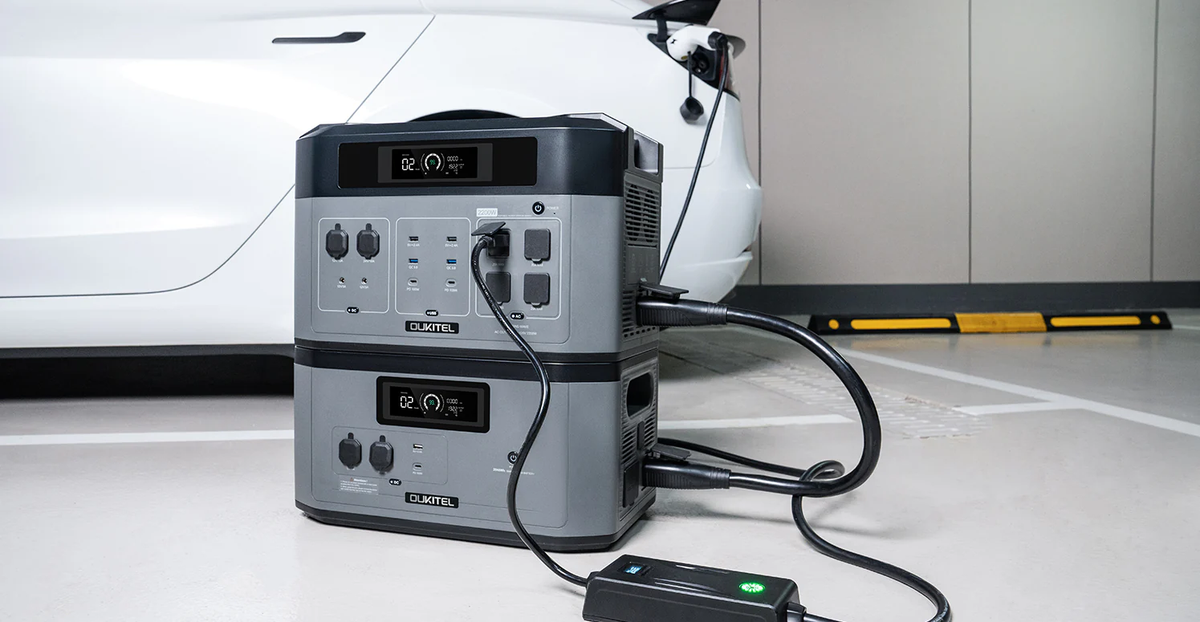
Solar Panels for Charging a Car Battery: An Honest Guide
LEARN MORE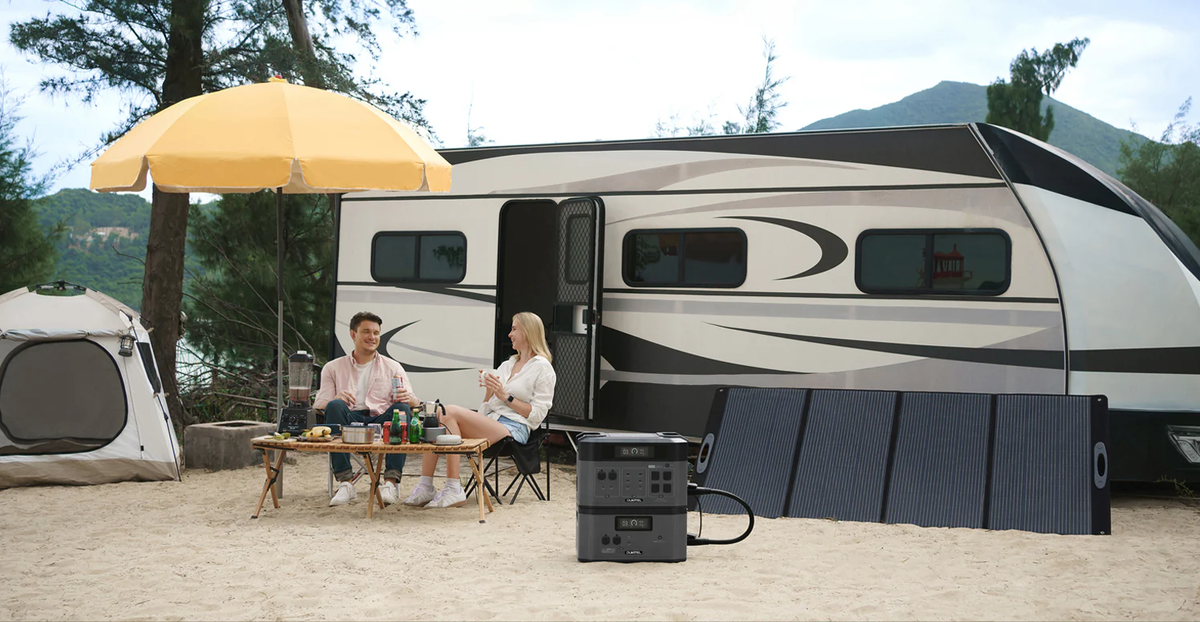
What Is an Anderson Port? How It Works, What It Connects, and When You Need One
LEARN MORE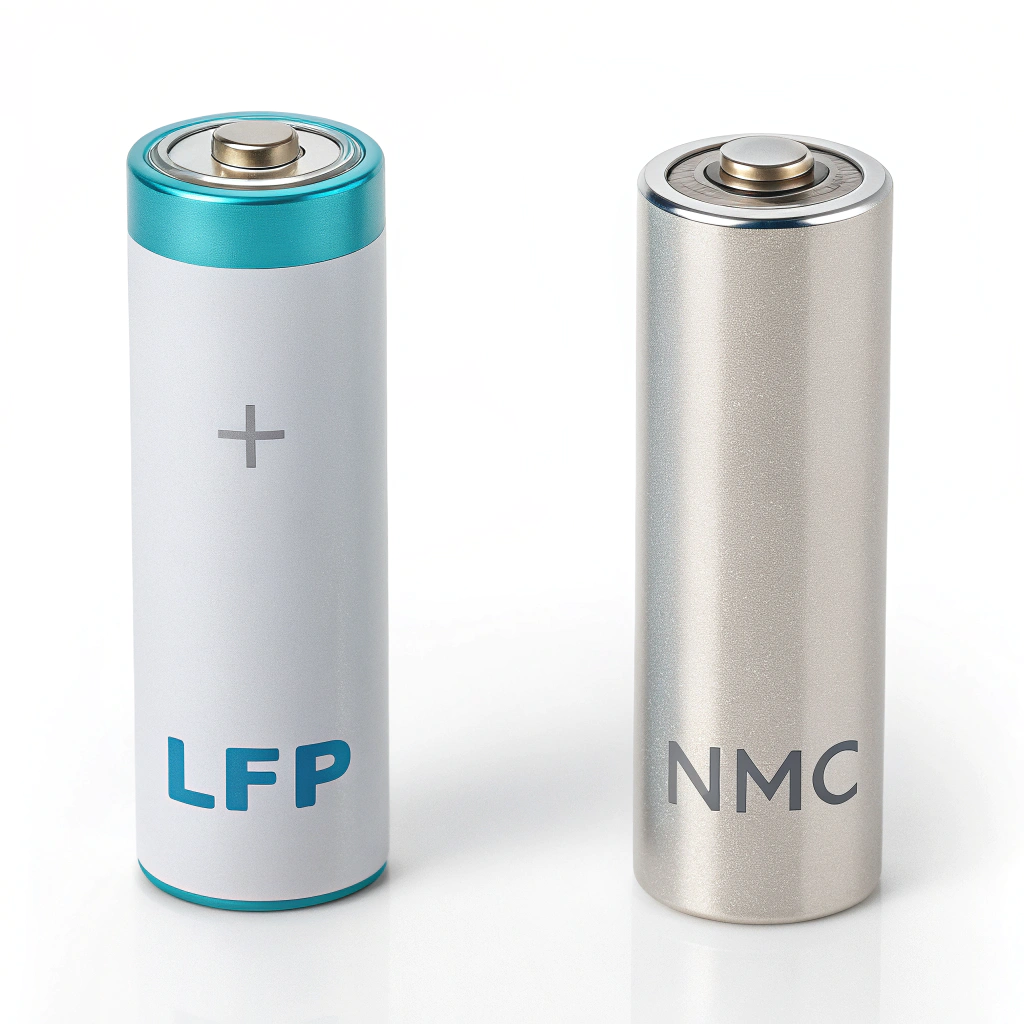
LFP vs Lithium-Ion: Which Battery Chemistry Wins in 2026?
LEARN MORELooking for something else?
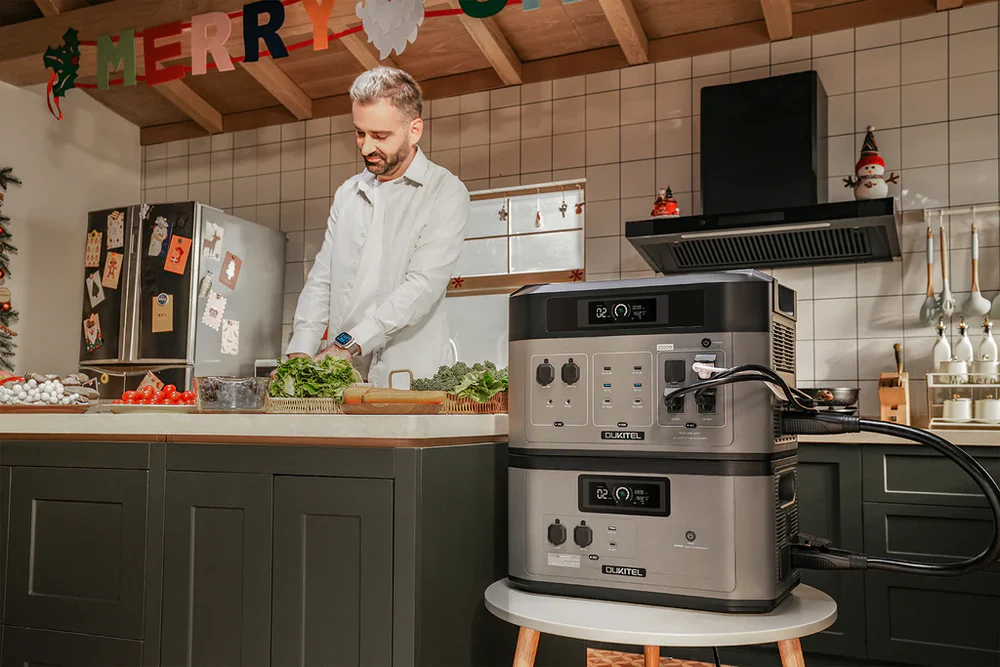
How Long Will a Solar Generator Power a Refrigerator? Runtime by Battery Size
LEARN MORE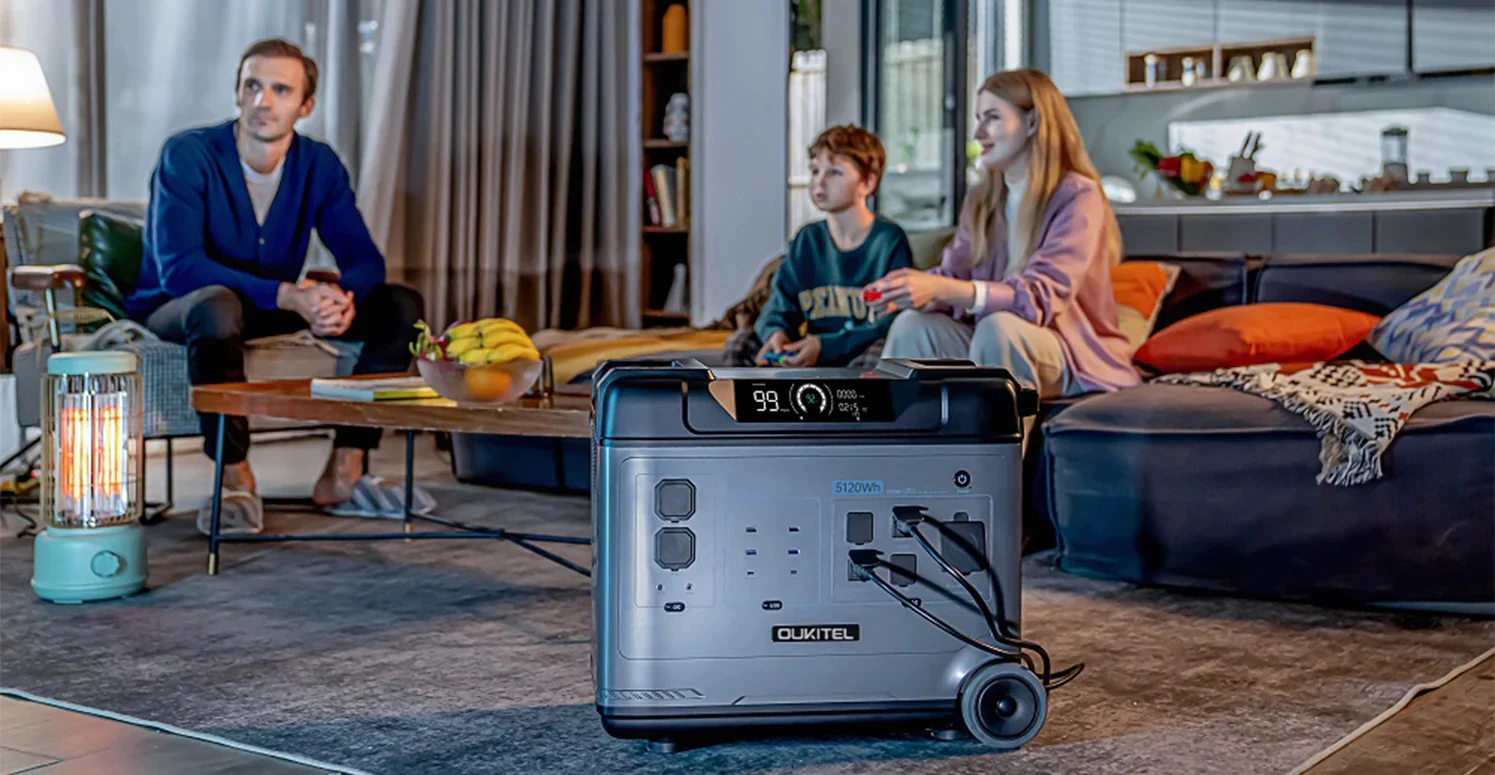
What Will a 6000 Watt Generator Run? 2026 Whole-Home Guide
LEARN MORE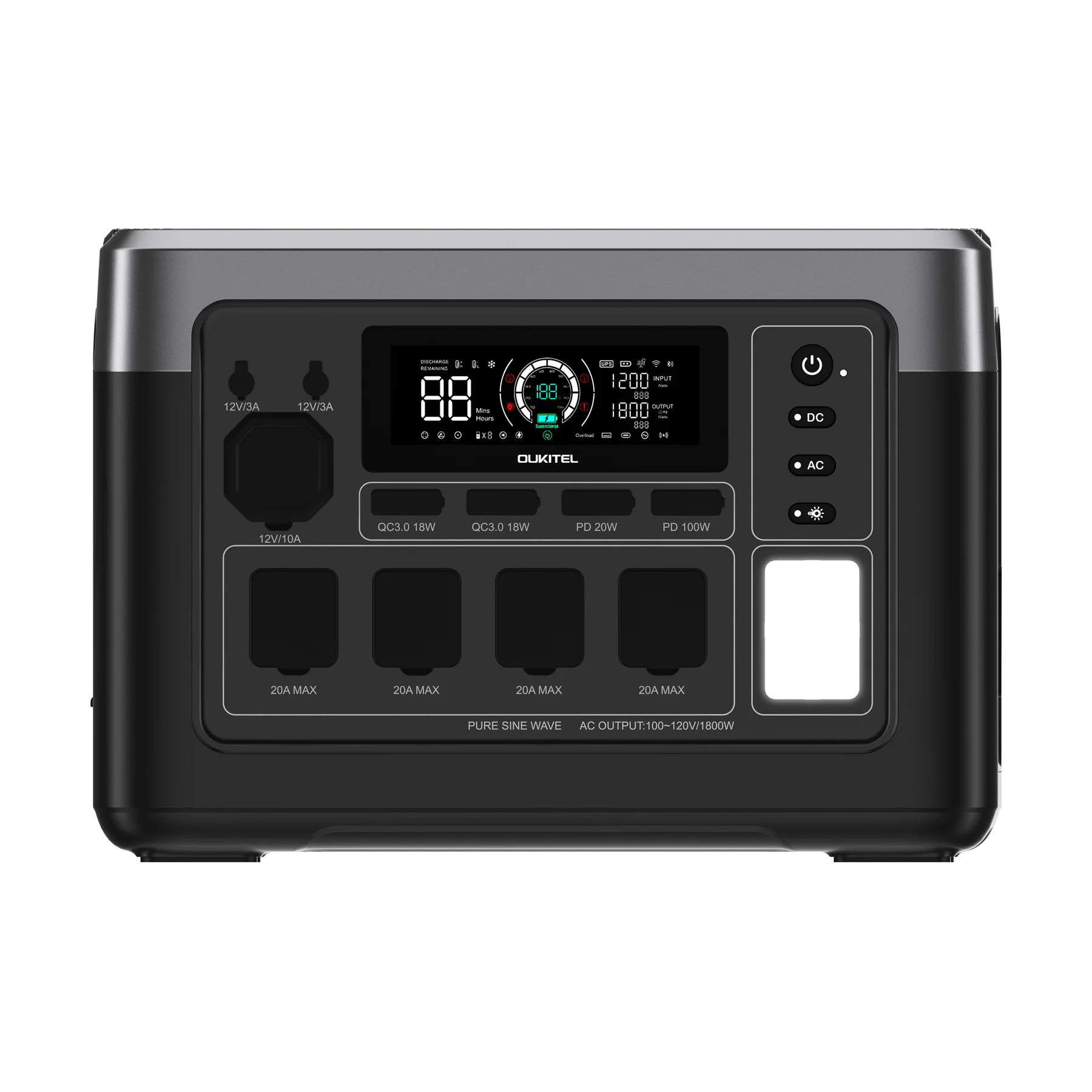
What Can 1,000 Watts Power? 2026 Guide to Real Appliances & RuntimeWhat Can 1,000 Watts Power? A 2026 Guide to Real Appliances and Runtime
LEARN MOREYou may also like

OUKITEL P2001 Solar Generator
$958.00
$1,249.00

OUKITEL P1000 PLUS Portable Power Station 1800W | 1024Wh
$429.00
$699.00


OUKITEL BP2000 Portable Power Station 2200W | 2048Wh
$829.00
$1,199.00

OUKITEL P5000 Pro Portable Power Station 5120Wh | 3600W
$1,599.00
$2,199.00

OUKITEL P5000 Solar Generator for Home with 400W Solar Panel
$1,499.00
$2,999.00
Further reading

Best Portable Power Stations Under $2,000 in 2026
The best portable power station under $2,000, for most homes we work with, is a 2,048Wh LiFePO4 unit pushing 2,200W or more. Solar input near 1,000W helps, and so does a port for an extra battery ...

Best Portable Power Stations Under $1,000 in 2026
The best portable power stations under $1,000 in 2026 store 1,024Wh to 2,048Wh in LiFePO4 cells and deliver 1,800W to 3,300W of AC power. In practice that means phones, a WiFi router, a CPAP and a...

Best Portable Power Stations for Home Backup in 2026
The best portable power station for home backup is the one that keeps your fridge cold until the power comes back. For most houses we talk to, that's around 2,000 to 3,000Wh of LiFePO4 battery and...