








 Flashlight
 Solar
Extension Cable
Solar
Extension Cable


Best Portable Power Stations for Home Backup in 2026
The best portable power station for home backup is the one that keeps your fridge cold until the power comes back. For most houses we talk to, that's around 2,000 to 3,000Wh of LiFePO4 battery and an inverter of at least 2,400W, which is enough for the fridge, the WiFi, a few lamps and a laptop through the night.
Need a well pump, central air or half the breaker panel too? Then you're looking at 5kWh and up, usually with 240V output, and a much bigger budget. And be realistic about scale. According to the EIA, the average U.S. home goes through about 10,500kWh a year, which works out to something like 29kWh a day, and no portable box is covering that. You choose what the battery carries. The rest of the house waits.
Best Portable Power Stations for Home Backup, Side by Side
All seven use LiFePO4 cells. The figures are each maker's own ratings, checked in October 2026.
|
Best for
|
Model
|
Capacity
|
Output
|
Voltage
|
|
Mid size, one box
|
Jackery HomePower 3000
|
3,072Wh
|
3,600W
|
120V
|
|
Whole home system
|
EcoFlow DELTA Pro Ultra
|
6,144Wh per battery
|
7,200W
|
120V/240V
|
|
Long outages
|
Anker SOLIX F3800
|
3,840Wh, expandable
|
6,000W
|
120V/240V
|
|
Essential appliances
|
OUKITEL P2001 Plus
|
2,048Wh
|
2,400W
|
120V
|
|
Expandable value
|
OUKITEL BP2000 Pro
|
2,048Wh to 16,384Wh
|
3,300W
|
120V
|
|
High output on 120V
|
OUKITEL P5000 Pro
|
5,120Wh
|
3,600W
|
120V
|
|
240V loads
|
OUKITEL BP5000 Pro Max
|
5,120Wh to 19,456Wh
|
5,000W
|
120V/240V
|
Which One Fits Your Home
Fridge, Internet and Lights
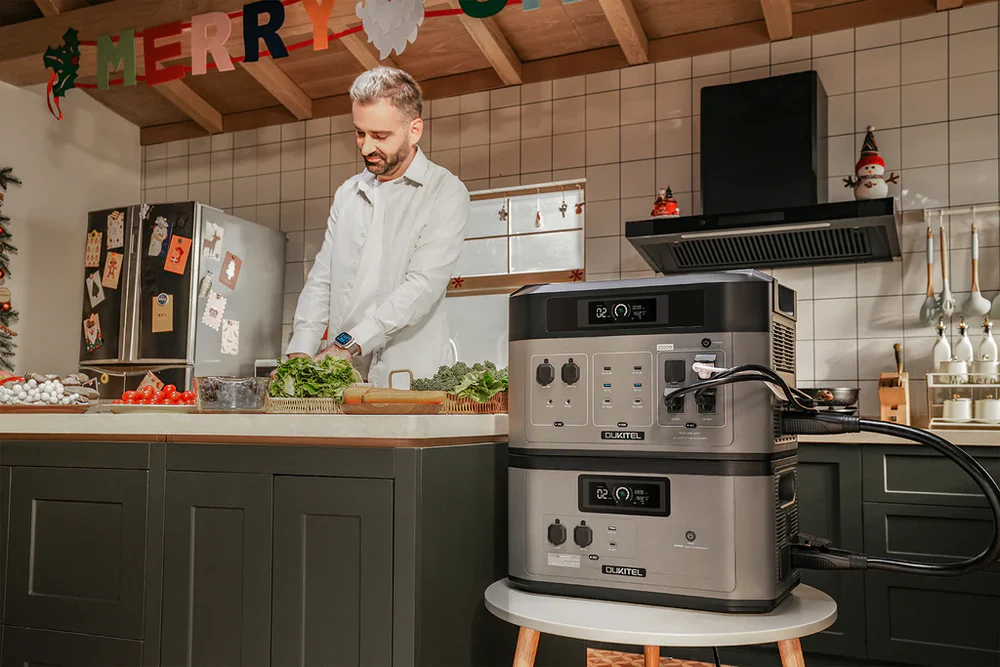
Honestly, this is what most people mean when they say home backup, and it needs less battery than they think. The OUKITEL P2001 Plus does it with 2,048Wh and 2,400W, plus 4,800W of surge so the fridge compressor can kick on without tripping the inverter. EPS switchover is under 10ms. In practice that means the router usually doesn't even notice the outage. It's 48.5 lb, so one person can still lug it upstairs.
Start Small, Add Batteries Later

Nobody knows how long the next outage will be. Six hours last winter, three days the time before. That's the case for buying the inverter you need now and adding storage later.
The OUKITEL BP2000 Pro starts at 2,048Wh and 3,300W, and it'll take up to seven B2000 expansion batteries (16,384Wh all in). One catch we end up explaining a lot: extra batteries buy you hours, not watts. If the inverter's too small on day one, it stays too small.
Cooking and Bigger 120V Loads
A microwave can pull 1,800W by itself. Throw in the fridge and a coffee maker and a 2,400W inverter is done.
For a house that wants to cook on battery, the OUKITEL P5000 Pro is the better fit: 3,600W continuous, 7,200W surge, 5,120Wh, and cells rated for 5,000 cycles. It's about 117 lb, so it rolls on wheels rather than getting carried anywhere.
Well Pumps and 240V Circuits

Here's where people get caught out. A 120V station can't run a 240V well pump, and no wattage number changes that.
You need split phase output. The OUKITEL BP5000 Pro Max has it: 120V/240V, 5,000W continuous and 5,120Wh, with room to grow to 19,456Wh using seven B2000 packs. EcoFlow's DELTA Pro Ultra goes higher, 7,200W, and is built around its own home panel.
What Size Portable Power Station Do You Need for Home Backup?
Forget square footage. Your appliance list decides this.
You need two numbers, and most people only work out one. First, add up the watts of everything that could be running at the same moment. That sets the inverter. Second, add up the watt hours those same things use in a day. That sets the battery. Our portable power station sizing guide has a worksheet if you want to do it properly.
Take a typical kitchen. The fridge, measured with a cheap plug in meter, used 1,200Wh in 24 hours.

The router adds about 360Wh. Four 10W LED bulbs for five hours, 200Wh. A laptop, maybe 300Wh. So 2,060Wh for the day.
Now the part spec sheets leave out. You won't get every watt hour back at the outlet, because the inverter eats some and so does standby. Call it 85%. That family really wants around 2,400Wh rated, and a 2,048Wh unit gets them most of the way through the day (not all of it).
Haven't measured yet? Ballpark figures are fine to start. Your router and modem together probably draw less than 30W. LED bulbs are somewhere in the 5 to 15W range, and a laptop can be anything from 45 to 100W depending on what you're doing on it. The fridge is the one people misjudge, since it might show 100 to 300W while the compressor's running and spike to a few times that for a split second when it kicks on. Kitchen stuff is where the numbers get big. We've seen microwaves pull anywhere from 1,000 to 1,800W, but six minutes at 1,500W only adds up to about 150Wh. Air conditioning is what wrecks most plans. Run a window unit at 1,000W for an eight hour night and you've used 8,000Wh, more than most portable stations hold.
|
Why the fridge comes first: according to the FDA, a fridge you keep closed stays cold for roughly 4 hours with no power, and a full freezer holds for about 48. After that you're throwing groceries away.
|
If someone at home relies on a CPAP or other medical gear, FEMA's advice is to plan its power with your doctor before an outage. Go by the wattage printed on the device.
Specs That Trip Up Buyers
Most setups that let people down were sized wrong before they ever left the box. It's nearly always one of three things.
Capacity vs output, first. Watt hours are how long; watts are what. You could have a full 3,000Wh battery sitting behind a 1,500W inverter, and it still won't run a 2,000W anything.
Then surge. It covers the half second a motor needs to start, nothing more. A unit sold on 4,800W surge might only hold 2,400W continuous, and your running loads have to fit under that continuous number.
And voltage. Dryers, ranges, central AC and plenty of well pumps are 240V. Check the appliance nameplate before you compare stations.
|
Wiring safety: don't backfeed the house through an outlet. Circuit backup needs a transfer switch or approved home panel, installed by a licensed electrician.
|
Keeping It Charged When the Outage Drags On

The night before a storm, charging speed is what you care about. The P2001 Plus gets to 80% in about an hour on AC. The BP2000 Pro does it in 55 minutes at 2,200W.
Day three's a different story. The grid's still down and solar is now setting the pace. Say the house burns 3kWh a day and the panels bring back 1kWh. You're 2kWh short, every day, and a bigger battery just moves the day you hit zero. What actually works is cutting loads until the panels roughly keep up.
The battery itself is rarely the weak link. Cells in these units are rated for 3,500 to 5,000 cycles to 80%, and keeping them at 40 to 60% charge between storms helps (we go into that in how long portable power stations last).
Battery or Gas Generator?
A lot of households end up with both. The battery's quiet, you barely have to maintain it, and it's generally considered safe indoors as long as you follow the manual. The downside is simple. When it's empty, it's empty until you can recharge. A gas generator just keeps going as long as there's fuel, and big wattage is cheaper upfront. You pay for that in oil changes, stored fuel and test runs.
It also has to live outside. The CDC says at least 20 feet from windows, doors and vents. The CPSC puts it more bluntly: one portable generator can put out as much carbon monoxide as hundreds of cars. The setup we see work best is the generator recharging the battery during the day and the battery carrying the house at night. Our home backup generators guide compares the fuel options.
Conclusion: Where to Start
Size from your own list, not someone else's spec sheet. That's really the whole trick to finding the best portable power station for home backup. Get the inverter right for what runs together, the battery right for how long, and the voltage right for your wall. Then:
-
Make a list of the appliances you actually need, with running watts and daily watt hours for each, then pad it by 15 to 20%.
-
Choose your output. Around 2,400W is fine for essentials, you'll want 3,300 to 3,600W if you plan to cook, and pumps or circuits mean 120V/240V.
-
Compare full systems in the OUKITEL home battery backup collection, or look through the whole range at OUKITEL Power.
FAQs
Which Power Station Is Best for Home Use?
For most homes, a LiFePO4 unit somewhere between 2,000 and 5,000Wh, sized to what you can't go without. That's the best portable power station for home use in practice. Something like the OUKITEL P2001 Plus handles a fridge, router and lights. Got 240V loads? Look at dual voltage systems like the EcoFlow DELTA Pro Ultra or Anker SOLIX F3800.
What Size Power Station Do I Need for My House?
It depends on what you'll run, not how big the house is. Essentials alone often fit in 1,000 to 2,000Wh; a full day with the freezer and electronics too is closer to 3,000 to 5,000Wh.
Which Brand of Portable Power Station Is the Most Reliable?
Honestly, none of them across the board, because it comes down to the specific model. Read cycle ratings closely, since brands test them differently: Jackery rates the Explorer 1000 v2 at 4,000 cycles to 70%, while OUKITEL rates the P2001 Plus at 3,500+ cycles to the stricter 80% mark.
Which Is Better, Jackery or EcoFlow?
Jackery's HomePower 3000 is the lighter one at 59.5 lb (3,072Wh, 3,600W), but it's 120V only. Need 240V circuits or a smart panel? That's EcoFlow DELTA Pro Ultra territory, with 7,200W.
Who Is Better, EcoFlow or Bluetti?
At around 1kWh there isn't much in it. EcoFlow's DELTA 3 Plus has 1,024Wh and 1,800W and takes extra batteries; BLUETTI's AC180 fits in 1,152Wh with the same 1,800W and 500W of solar.
Is Jackery or Anker Better?
If output is what you care about, Anker. The C1000 Gen 2 puts out 2,000W to the Explorer 1000 v2's 1,500W, and the F3800 does 6,000W at 120V/240V. Jackery is lighter, though, at 23.8 lb for the Explorer 1000 v2.
What Is Better, Anker or EcoFlow?
EcoFlow starts bigger. The DELTA Pro Ultra has 6,144Wh and 7,200W and scales to 30kWh on one inverter, while Anker's F3800 reaches dual voltage from 3,840Wh and 6,000W with room for six expansion batteries. Either way, price the whole system, panel included.


Looking for something else?
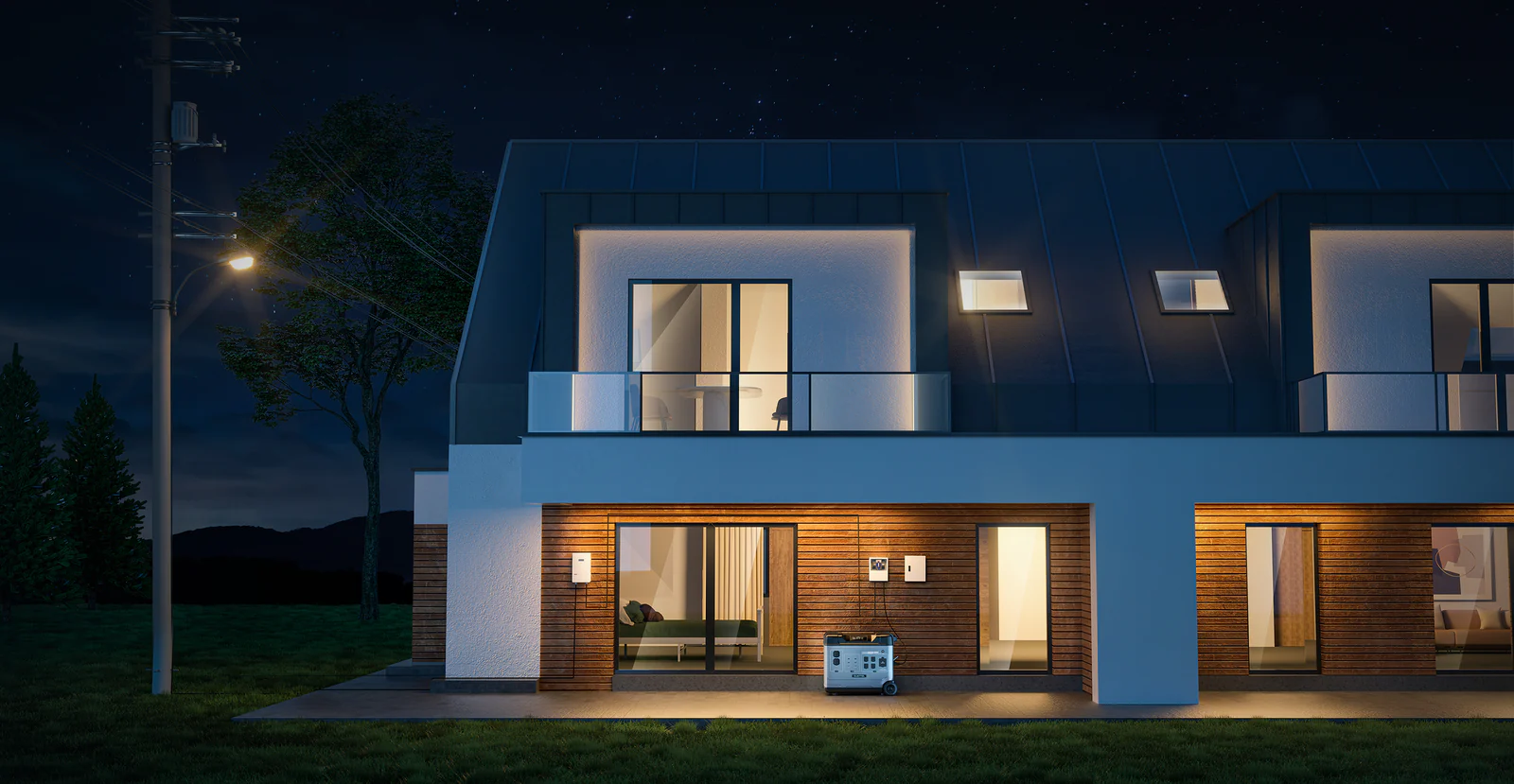
Battery Backup for Power Outage: Sizing & Real Runtime
LEARN MORE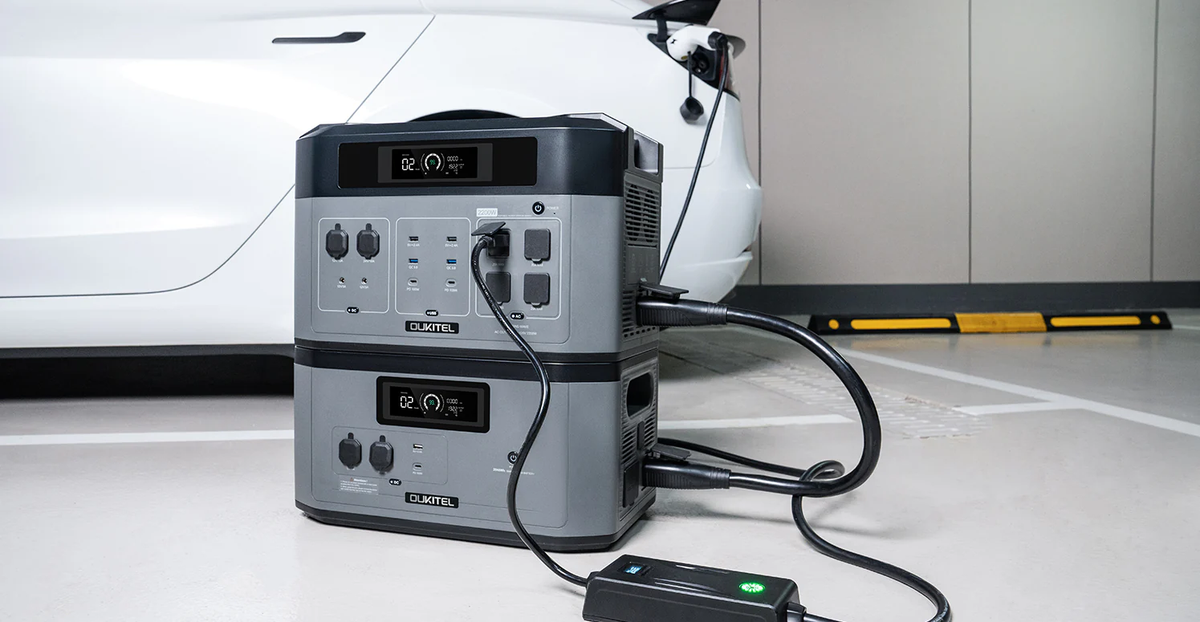
Solar Panels for Charging a Car Battery: An Honest Guide
LEARN MORE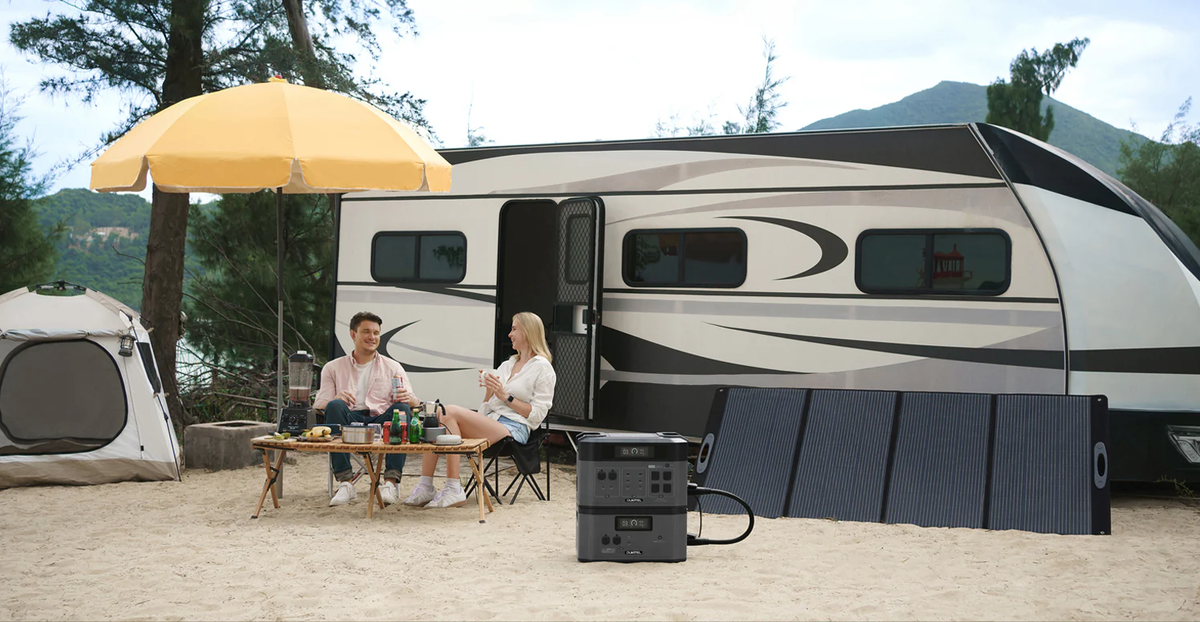
What Is an Anderson Port? How It Works, What It Connects, and When You Need One
LEARN MORE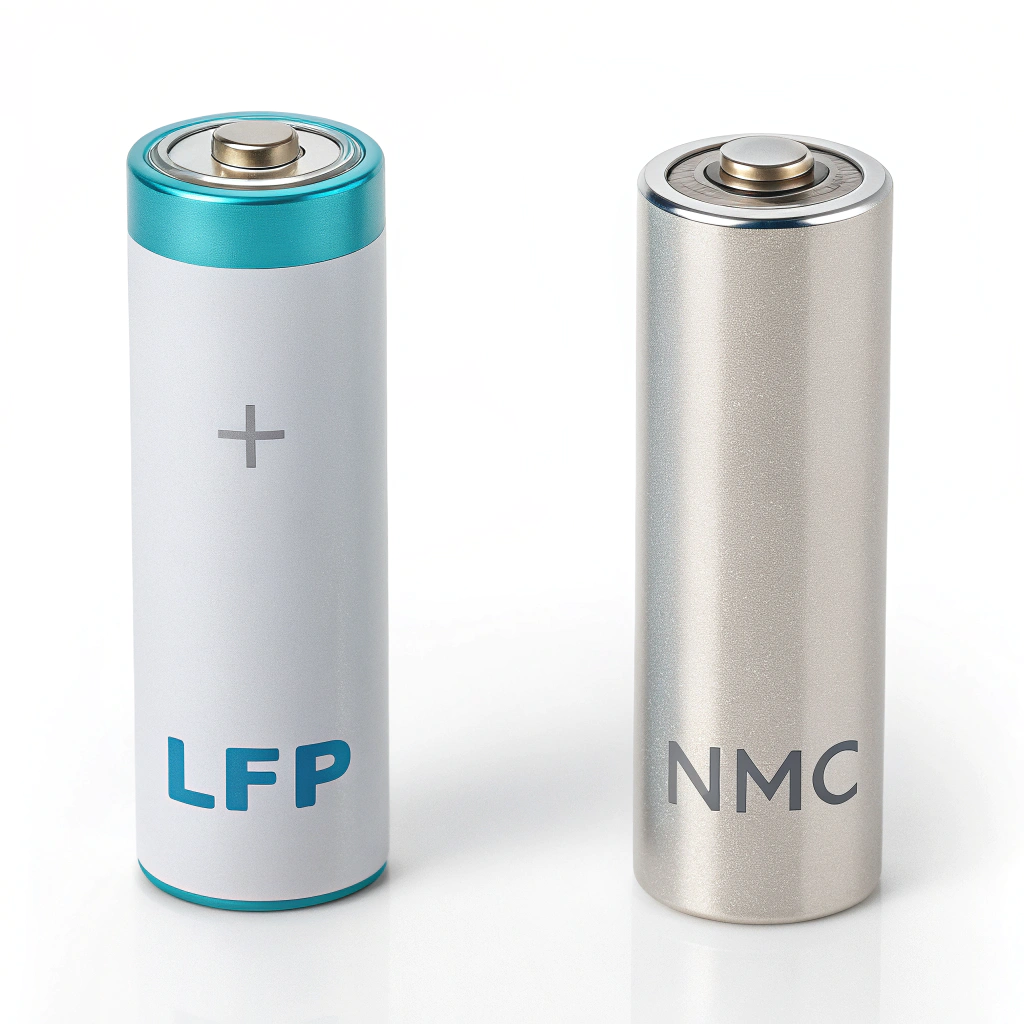
LFP vs Lithium-Ion: Which Battery Chemistry Wins in 2026?
LEARN MORELooking for something else?
How Long Will a Solar Generator Power a Refrigerator? Runtime by Battery Size
LEARN MORE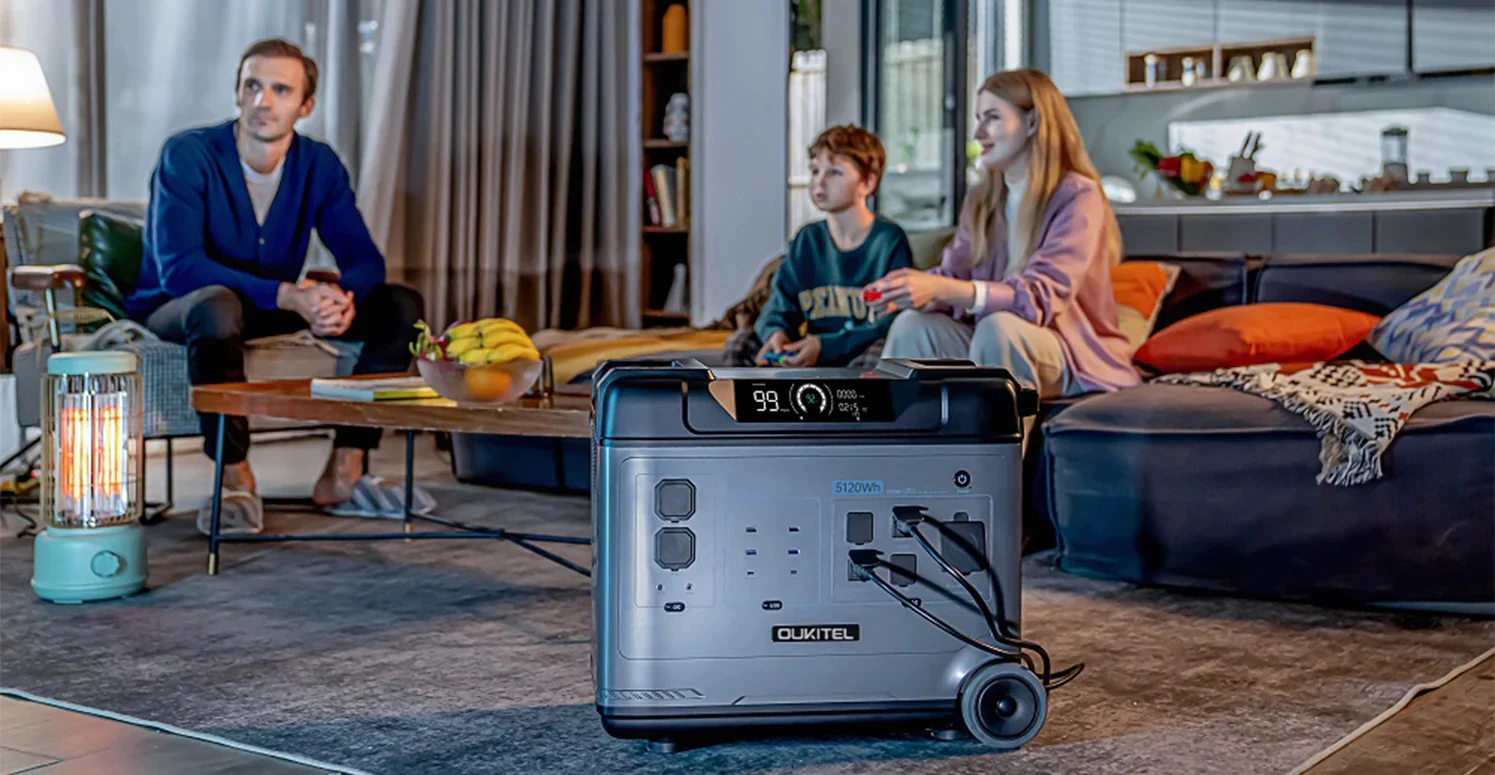
What Will a 6000 Watt Generator Run? 2026 Whole-Home Guide
LEARN MORE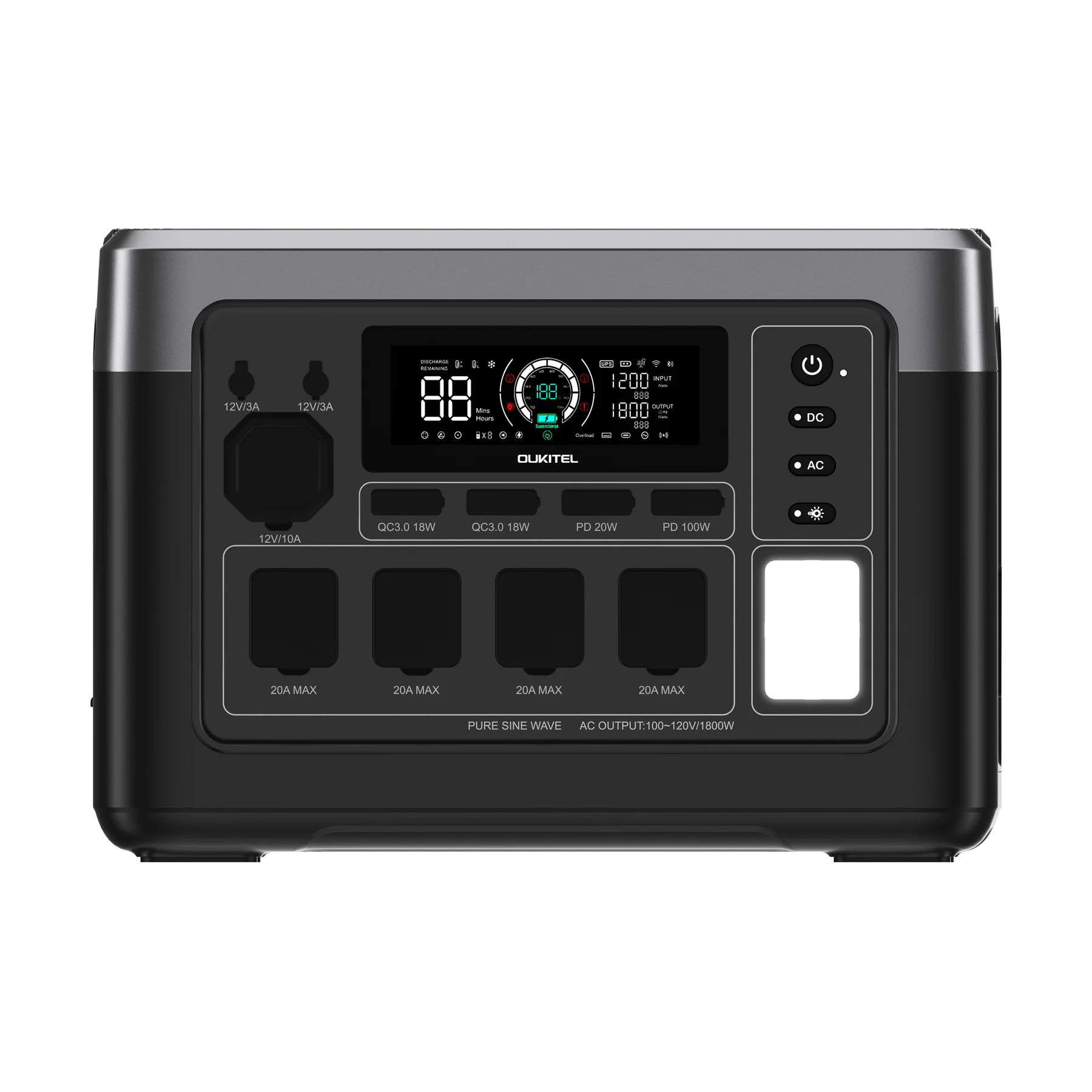
What Can 1,000 Watts Power? 2026 Guide to Real Appliances & RuntimeWhat Can 1,000 Watts Power? A 2026 Guide to Real Appliances and Runtime
LEARN MOREYou may also like

OUKITEL P5000 Portable Power Station 5120Wh | 2200W
$1,199.00
$2,399.00

OUKITEL P2001 Solar Generator
$958.00
$1,249.00
OUKITEL P1000 PLUS Portable Power Station 1800W | 1024Wh
$429.00
$699.00


OUKITEL BP2000 Portable Power Station 2200W | 2048Wh
$829.00
$1,199.00

OUKITEL P5000 Pro Portable Power Station 5120Wh | 3600W
$1,599.00
$2,199.00
Further reading

Best Portable Power Stations Under $2,000 in 2026
The best portable power station under $2,000, for most homes we work with, is a 2,048Wh LiFePO4 unit pushing 2,200W or more. Solar input near 1,000W helps, and so does a port for an extra battery ...

Best Portable Power Stations Under $1,000 in 2026
The best portable power stations under $1,000 in 2026 store 1,024Wh to 2,048Wh in LiFePO4 cells and deliver 1,800W to 3,300W of AC power. In practice that means phones, a WiFi router, a CPAP and a...
Best Portable Power Stations for Home Backup in 2026
The best portable power station for home backup is the one that keeps your fridge cold until the power comes back. For most houses we talk to, that's around 2,000 to 3,000Wh of LiFePO4 battery and...