

 Oukitel Flashlight
 Oukitel Solar
Extension Cable
Oukitel Solar
Extension Cable


How Do Solar Panels Work: From Sunlight to Home Energy
Solar energy feels like magic — silent panels on a rooftop turning sunlight into electricity that powers your home. But behind that quiet transformation lies some fascinating science and smart engineering.
If you’ve ever wondered how solar panels work, how they keep your home powered day and night, or what actually happens to that sunlight once it hits your roof — this guide explains it all in plain English.
The Basics: What Solar Panels Actually Do
At their core, solar panels capture sunlight and convert it into electricity using a process called the photovoltaic effect.
Each panel is made up of solar cells small, square slices of silicon that act as semiconductors. When sunlight hits these cells, it knocks loose electrons, creating an electric current.
That electricity can then be used immediately, stored in batteries, or sent to the power grid.
In short:
Sunlight → DC electricity → Conversion → Power for your home.
Step-by-Step: How Solar Panels Work From Sunlight to Home Energy
Let’s break the process down into five clear steps:
Step 1: Sunlight Strikes the Solar Cells
Solar panels are designed to absorb photons — the energy particles in sunlight. When these photons hit the silicon layers of each solar cell, they excite the electrons, freeing them to move.
This movement creates direct current (DC) electricity the same type found in small electronics and batteries.
Step 2: DC Electricity Travels Through Wires
Each panel is wired together in series and parallel circuits. The generated DC current flows through these internal connections and exits the panel via positive and negative leads.
At this point, the electricity is still DC not yet suitable for powering home appliances.
Step 3: The Inverter Converts DC to AC Power
Homes run on alternating current (AC) power the same type of electricity that comes from the grid.
A solar inverter (either a central inverter or microinverters on each panel) converts DC to AC, making the power compatible with your home’s electrical system.
Step 4: Power Feeds Your Home’s Circuits
Once converted, the electricity flows through your breaker panel (also called the distribution board). From there, it powers lights, appliances, and outlets — just like traditional grid power.
Your home doesn’t “know” the difference between solar power and grid power — it simply uses the available electricity.
Step 5: Excess Energy Goes to Storage or the Grid
If your panels produce more energy than you need, the excess can:
- Charge a battery storage system for later use.
- Feed back into the utility grid if your system is grid-tied.
In many areas, homeowners earn energy credits through a process called net metering, where the utility company compensates you for the power you send back.
The Components of a Solar Energy System
To understand how solar panels work on a house, you need to know how each part of the system contributes to generating usable power:
|
Component |
Function |
|
Solar Panels |
Capture sunlight and convert it to DC electricity. |
|
Inverter |
Converts DC into AC power for home use. |
|
Battery (optional) |
Stores excess power for night or cloudy days. |
|
Mounting System |
Secures panels to roof or ground, angled toward the sun. |
|
Charge Controller (for off-grid setups) |
Prevents overcharging of batteries by regulating voltage. |
|
Meter & Monitoring App |
Tracks power generation, usage, and performance. |
Together, these components form a mini power plant on your property — one that runs silently and renewably.
The Science Behind the Photovoltaic Effect

The photovoltaic effect is what makes solar panels possible. It was first discovered in the 1800s, but silicon-based solar cells made it practical for modern use.
Each solar cell has two layers:
- N-type silicon (negative): contains extra electrons.
- P-type silicon (positive): has electron “holes” waiting to be filled.
When sunlight energizes these layers, electrons flow from the N-layer to the P-layer, generating an electric field and thus, current.
This process happens millions of times per second across the entire panel surface, continuously generating power as long as sunlight is present.
How Solar Panels Power a House
A typical residential solar array (the entire set of panels) is installed on the roof, angled to capture maximum sunlight throughout the day.
Energy Flow in Your Home
- Panels capture sunlight → generate DC current.
- Inverter converts DC → AC.
- AC feeds into your home’s main electrical panel.
- Appliances and lights draw power normally.
- Any surplus flows to storage or the grid.
When sunlight is strong, your home can run entirely on solar power. On cloudy days or at night, you draw electricity from stored energy (if you have batteries) or from the utility grid.
This seamless transition happens automatically.
How Do Solar Panels Work at Night?
Solar panels only generate electricity when sunlight is available — meaning they don’t produce power at night.
However, that doesn’t mean your home loses power after sunset. Here’s how systems handle nighttime energy:
Option 1: Battery Storage
During the day, your panels produce more power than you need. That surplus is stored in a battery bank — often lithium-based — and released at night to run your lights and appliances.
This setup is common for off-grid homes or solar generator systems that must run 24/7.
Option 2: Grid Connection
If your home is connected to the public grid, you can draw power from it when solar production stops.
Many regions use net metering, where daytime overproduction offsets nighttime consumption. So even though you pull electricity from the grid at night, your bill remains balanced thanks to the credits you earned earlier.
In short:
Solar panels sleep at night, but your energy doesn’t — batteries or the grid keep things running.
How Efficient Are Solar Panels?
Efficiency measures how much sunlight your panels convert into usable electricity.
Most modern panels achieve 18–23% efficiency, depending on their design. For example:
- Monocrystalline panels are the most efficient and space-saving.
- Polycrystalline panels cost less but produce slightly less power.
Several factors affect performance:
- Orientation & tilt: panels facing true south (in the Northern Hemisphere) yield maximum output.
- Temperature: cooler panels perform better.
- Shade & debris: even small shadows reduce voltage output.
- Maintenance: clean surfaces improve efficiency by up to 10%.
With proper installation and upkeep, solar panels can last 25 years or more while maintaining 80–90% of their original performance.
The Role of Solar Generators and Portable Systems
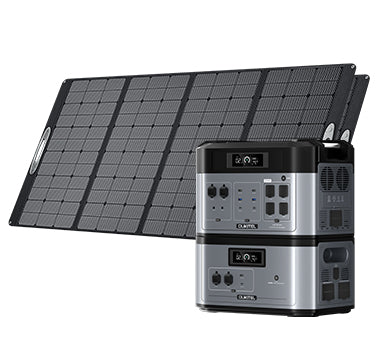
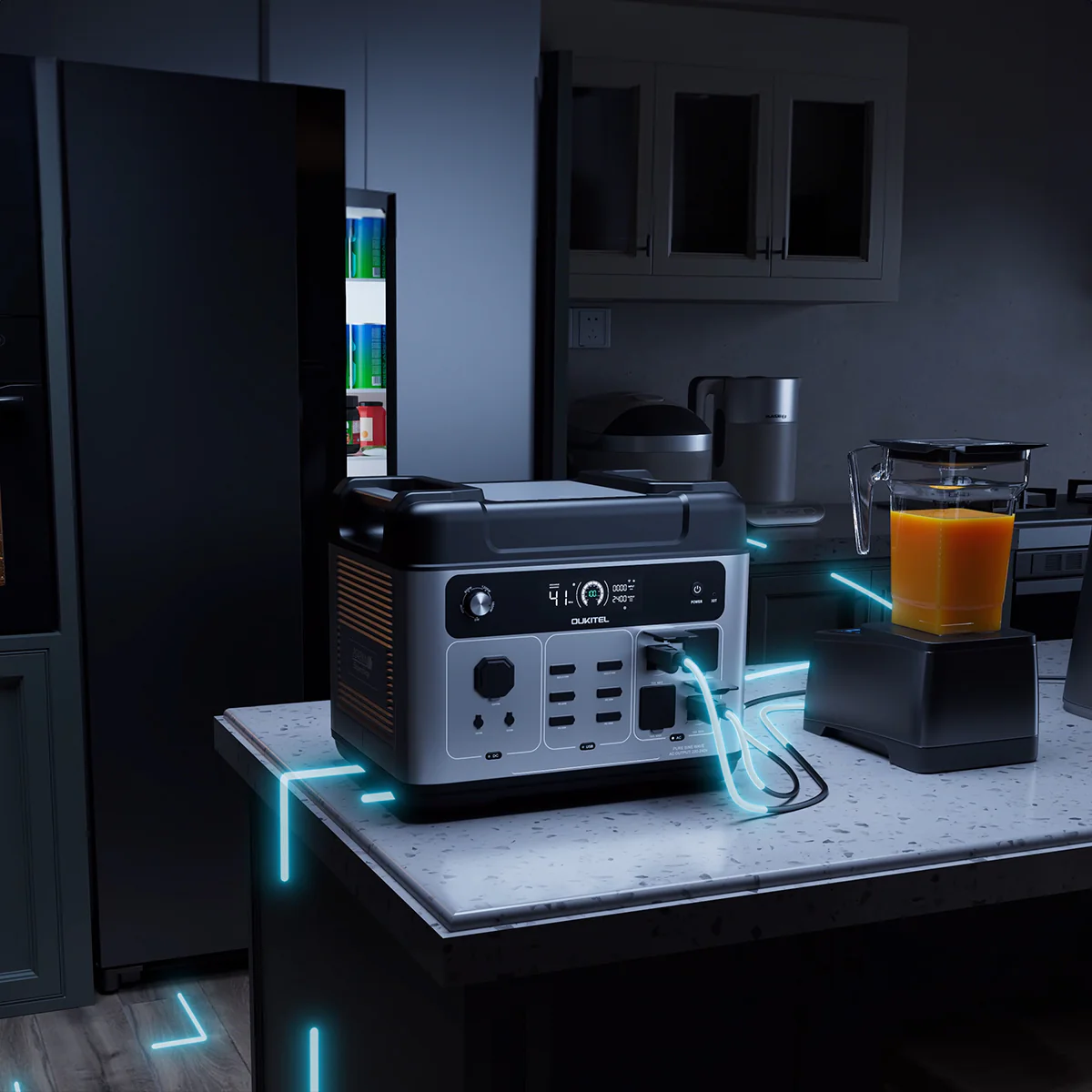
Beyond rooftops, portable solar generators combine solar panels, batteries, and inverters into all-in-one power solutions.
They follow the same principle capture sunlight → store energy → convert for use but in compact form. Perfect for:
- Camping or RV trips.
- Outdoor workstations.
- Emergency home backup power.
When connected to foldable solar panels, these systems work just like fixed home arrays producing DC power that’s converted and stored for later use.
Learn more at Solar Generators Collection.
Frequently Asked Questions
How do solar panels work on a house?
They convert sunlight into DC electricity, then inverters change it into AC power for your home. Excess energy either charges a battery or feeds back to the grid.
How do solar panels work at night?
Panels stop generating power when it’s dark, but your home continues running on stored battery energy or grid power.
Can solar panels still work on cloudy days?
Yes, though output is lower — typically 10–30% of full sunlight. Diffused light still produces electricity.
Do solar panels store energy themselves?
No. They generate electricity; storage requires external batteries or integrated solar generators.
How much maintenance do solar panels need?
Minimal. Just keep them clean and clear of shade or debris for optimal performance.
Why Solar Power Works So Well for Homes
Solar energy offers both independence and sustainability. Once installed, it provides:
- Clean, renewable electricity with zero emissions.
- Lower utility bills through reduced grid reliance.
- Long-term reliability with minimal moving parts.
- Resilience during outages when paired with battery backup.
Homeowners who understand how solar panels work can optimize energy use — scheduling heavy loads like laundry or EV charging during daylight hours for maximum self-sufficiency.
Step Toward Smarter Solar: Pairing Panels With Storage
Adding storage transforms a daytime-only solar array into a 24-hour energy system.
How It Works
- Solar panels charge batteries during the day.
- Batteries discharge stored energy at night.
- Smart controllers manage flow between panels, storage, and the grid.
This combination provides power security, reduces reliance on utilities, and supports portable or home backup systems like Oukitel’s solar generator lineup.
The Future of Solar Power
As technology advances, solar systems are becoming smarter, lighter, and more efficient. Expect:
- High-efficiency bifacial panels that collect sunlight from both sides.
- AI energy management apps optimizing charging and discharging.
- Flexible solar materials for vehicles and off-grid applications.
- Integrated home microgrids combining solar, storage, and EV charging.
Solar energy is no longer just for rooftops — it’s becoming a lifestyle power source for homes, travelers, and outdoor enthusiasts alike.
Key Takeaways
|
Question |
Answer |
|
How do solar panels work? |
They convert sunlight into DC electricity through the photovoltaic effect. |
|
How do solar panels work on a house? |
Panels feed an inverter that powers household appliances with AC current. |
|
How do solar panels work at night? |
They don’t generate power — batteries or the grid supply energy instead. |
|
Do solar panels need direct sunlight? |
Yes, but they still produce energy under diffused light. |
|
Why choose solar? |
Clean, renewable, and cost-effective electricity for decades. |
Conclusion
Solar power is elegant in its simplicity. Every morning, photons from the sun hit your panels, generating a steady flow of electricity that powers daily life — lights, phones, even entire homes.
At night, stored energy or the grid takes over seamlessly. The process repeats endlessly, proving that reliable energy doesn’t have to come from fossil fuels or noise — just sunlight, silicon, and smart design.
Whether for your home or a portable setup, understanding how solar panels work helps you appreciate the innovation that turns sunshine into power you can trust, day and night.


Looking for something else?
How Easy Is a Portable Power Station to Use? A Beginner’s Guide
LEARN MORE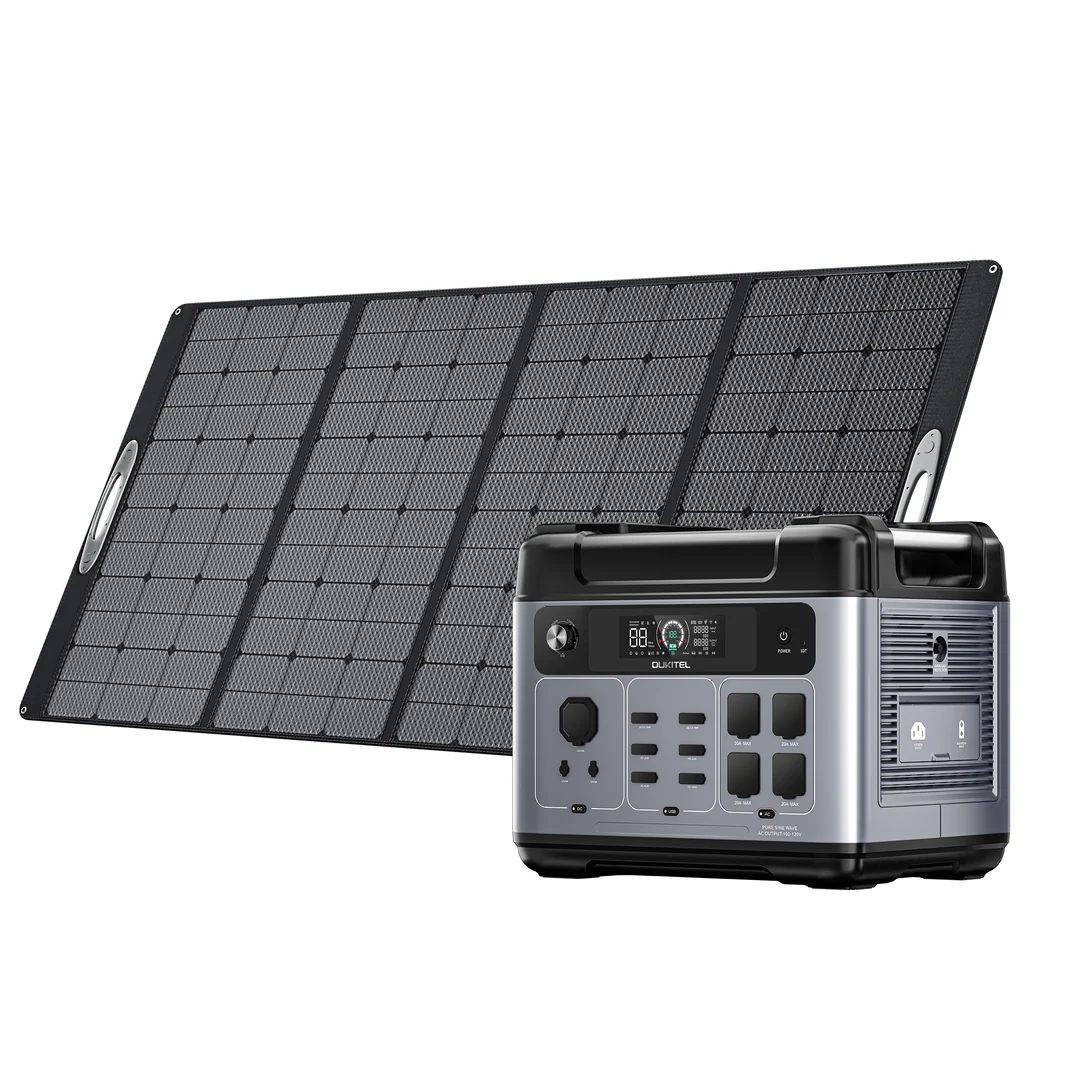
Cold-Weather Power: Best Portable Power Stations for Winter Camping
LEARN MORE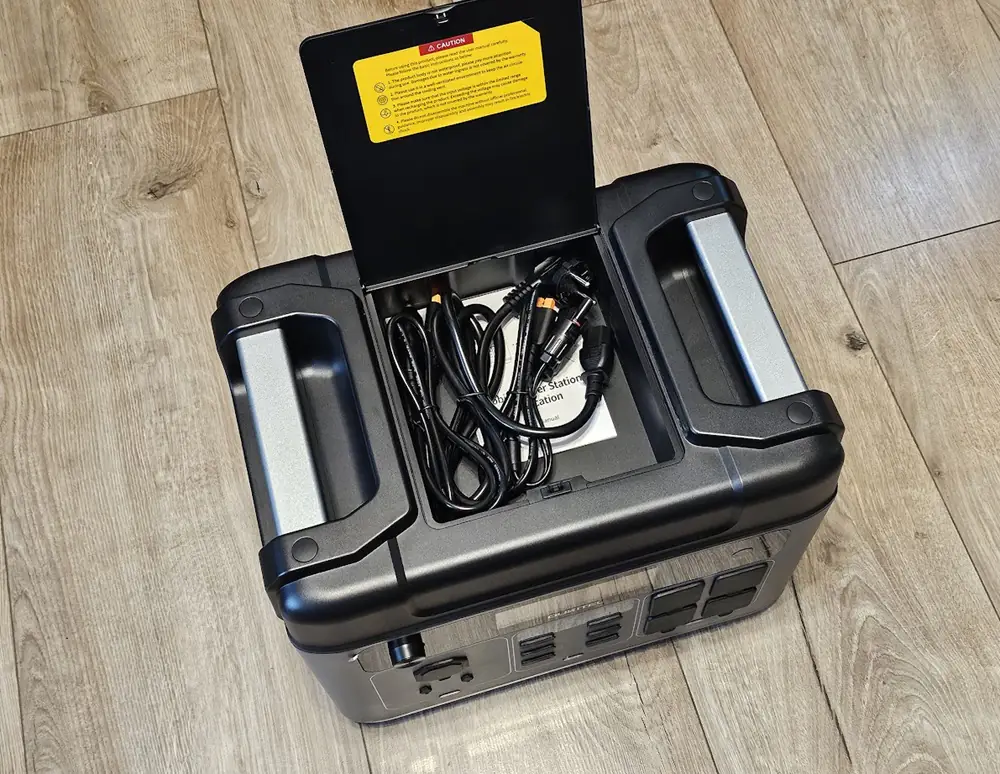
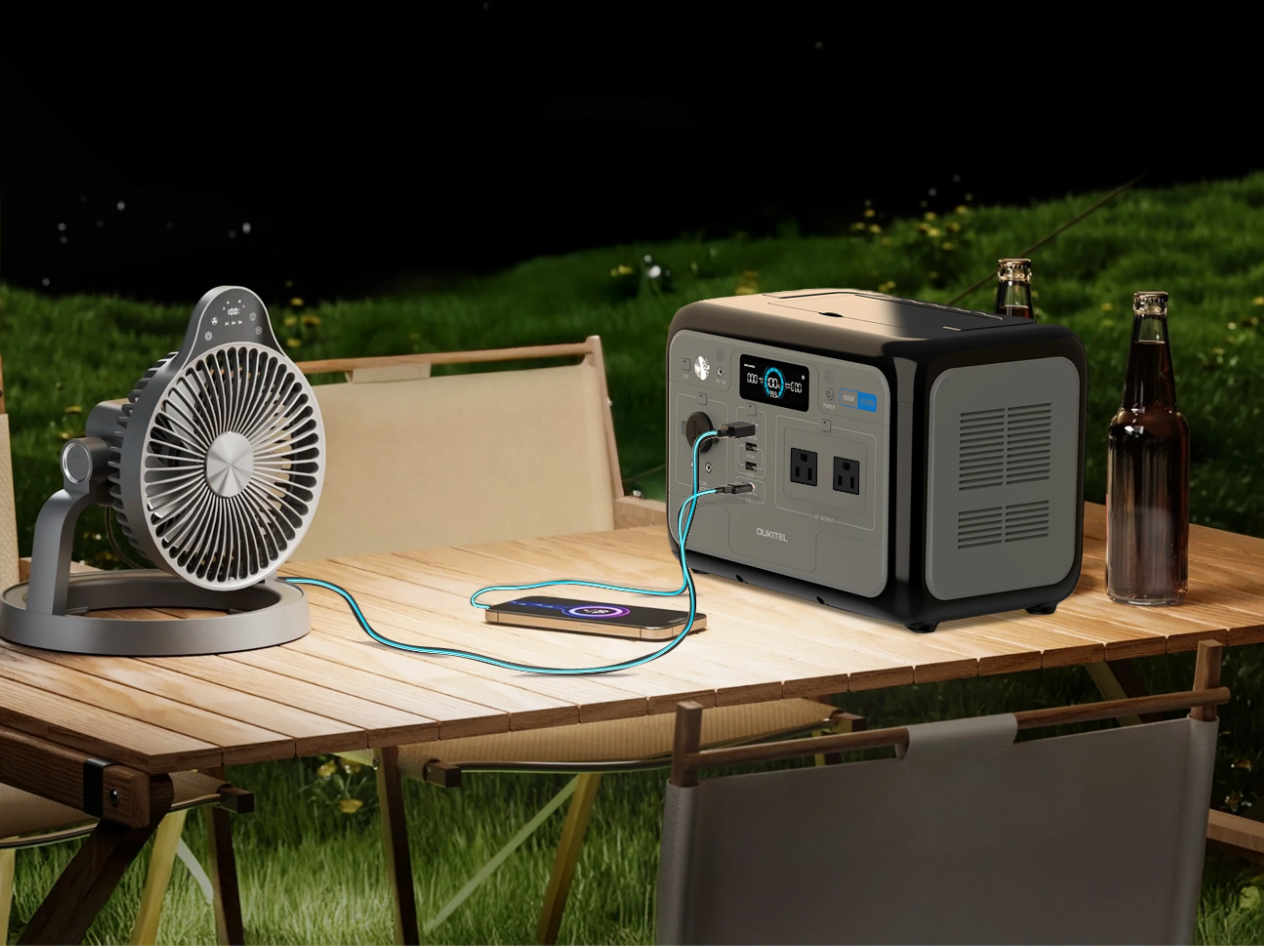
What is a Portable Power Station & How It’s Used
LEARN MORE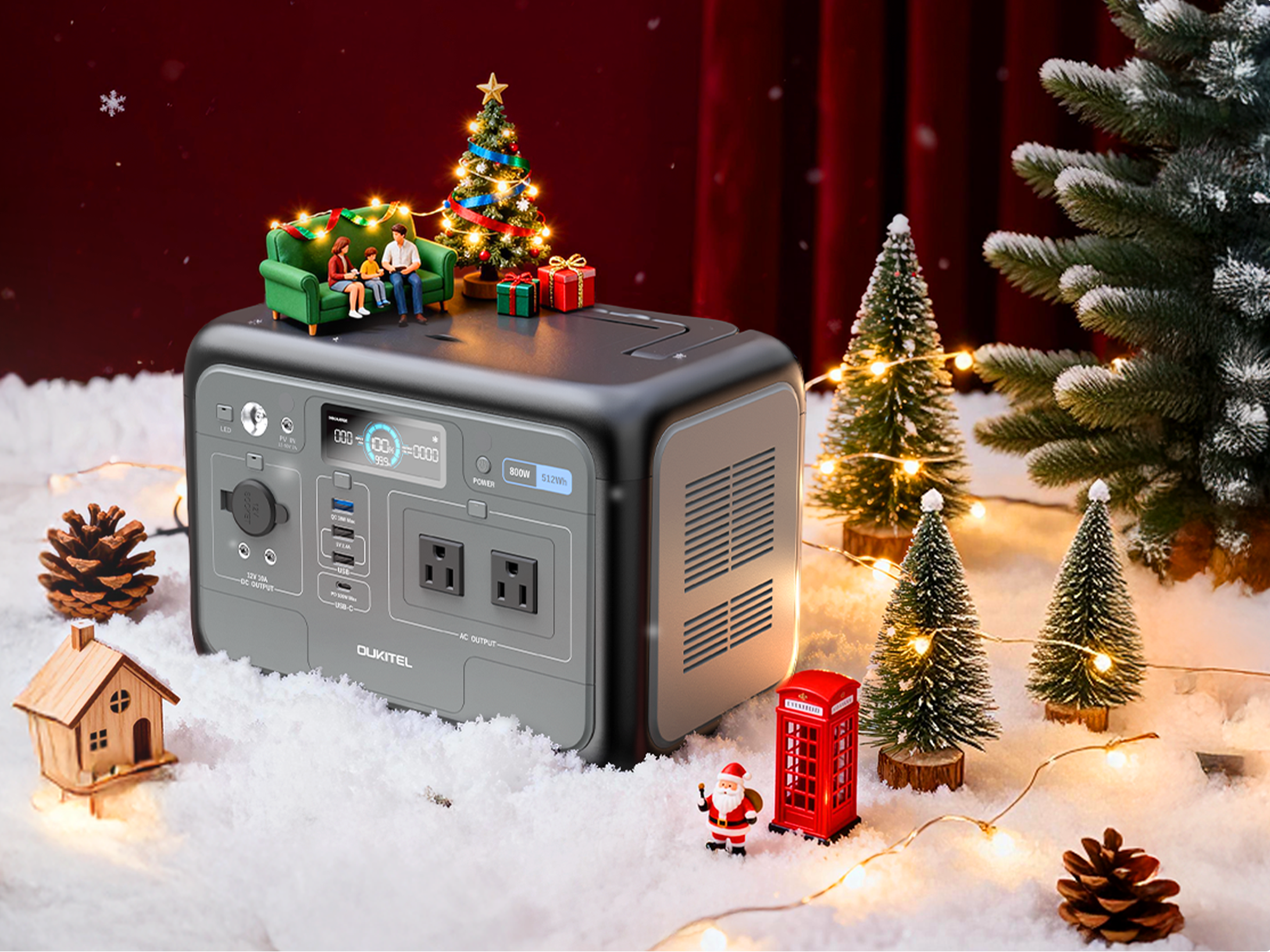
5 Must-Have Portable Power Solutions for a Stress-Free Christmas
LEARN MORELooking for something else?
Power Station Calculator: How to Estimate Output & Recharge Time
LEARN MORE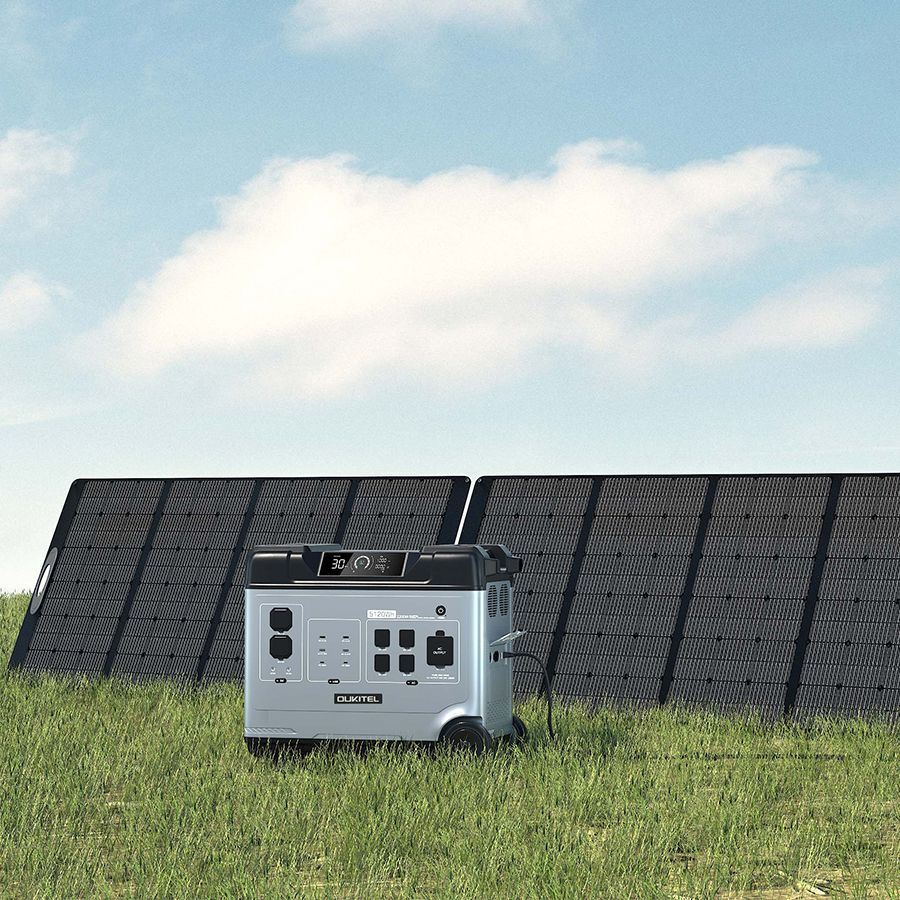
Solar Panel Voltage: Understanding Output and Regulation
LEARN MORE
How Do Solar Panels Work: From Sunlight to Home Energy
LEARN MOREYou may also like

OUKITEL P2001 Plus+200W Solar Generator

OUKITEL P5000 Pro+400W Solar Generator

OUKITEL BP2000+400W Solar Generator

OUKITEL P5000+2*400W Solar Generator

OUKITEL P5000 Pro+2*400W Solar Generator

OUKITEL BP3000 Portable Power Station 3200W | 2048Wh
Further reading
Best Solar Generator for Home Backup: 2026 Buyer's Guide
How Long Do Portable Power Stations Last? 2026 Lifespan and Runtime Guide