

 Flashlight
 Solar
Extension Cable
Solar
Extension Cable


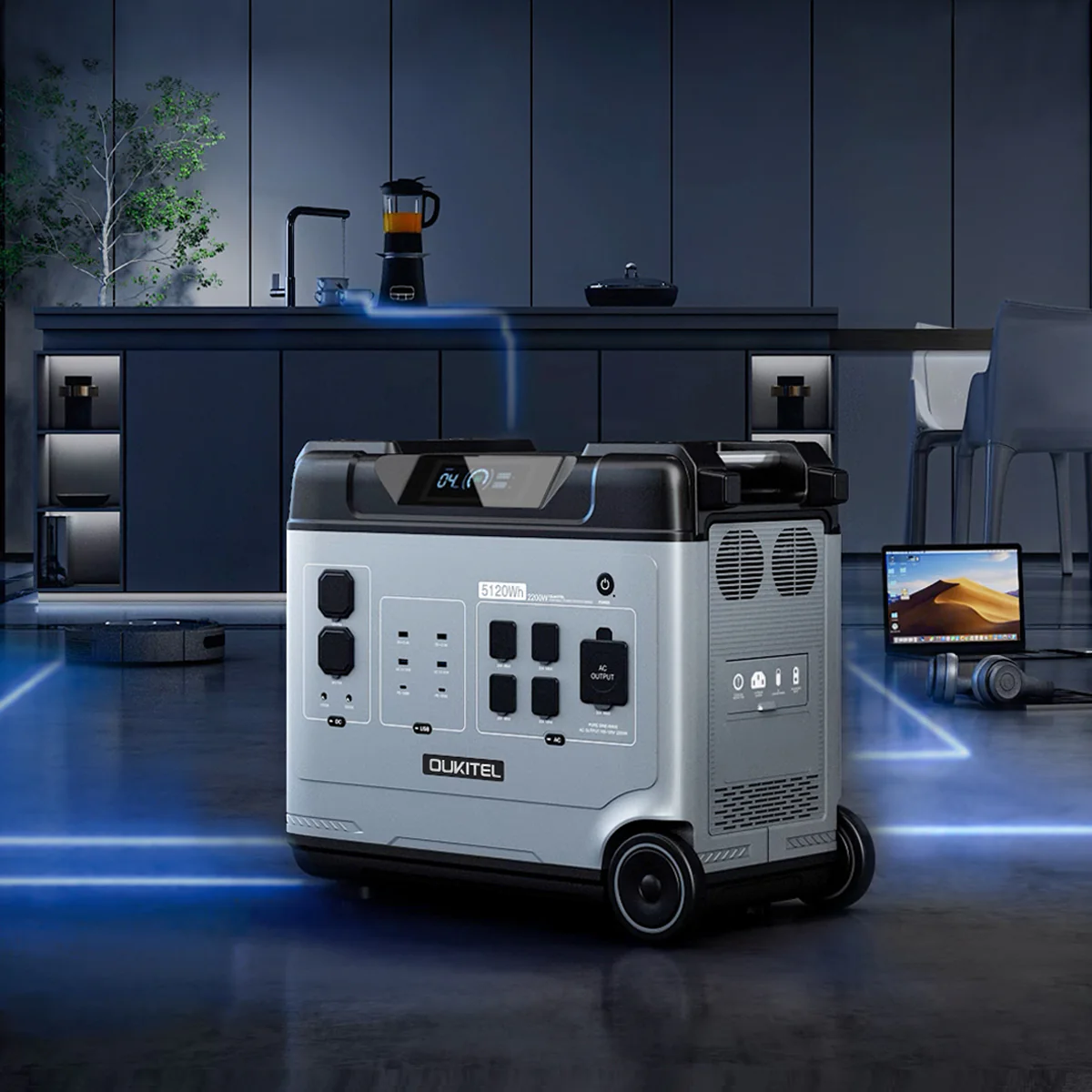
Do Solar Panels Work at Night? How Solar Energy Functions After Dark
If you’re exploring renewable energy or already using solar power, one question comes up often:
Do solar panels work at night?
The straightforward answer is no, solar panels don’t generate electricity after dark.
However, that doesn’t mean your home or business is left without power. The solar energy system — including batteries, inverters, and the grid — ensures round-the-clock electricity.
This guide explains exactly what happens to solar panels at night, how homes stay powered, and how smart energy storage makes solar a reliable 24-hour solution.
Why Solar Panels Don’t Produce Power at Night
Solar panels rely on sunlight, not heat, to generate electricity. Inside each panel are photovoltaic (PV) cells made of silicon — a semiconductor material that converts sunlight into energy.
How Solar Panels Work in Daylight
- Sunlight hits the PV cells.
- Photons (light particles) excite electrons in silicon atoms.
- This movement creates direct current (DC) electricity.
-
An inverter converts DC to alternating current (AC) — the form used by household appliances.
What Happens After Sunset
Once sunlight disappears, there are no photons available to energize the cells. Without that reaction, the panel simply rests — producing zero electricity until the sun rises again.
So, while solar panels themselves don’t work at night, your solar energy system still does, thanks to storage and grid integration.
How Homes Stay Powered at Night
Even though panels stop generating electricity, most solar-powered homes continue running normally after dark. Here’s how:
Stored Energy from Solar Batteries
During daylight hours, solar panels often generate more electricity than you immediately use. That extra energy is stored in battery systems — usually LiFePO₄ (Lithium Iron Phosphate) batteries for safety and longevity.
At night, these batteries discharge to power your lights, refrigerator, or even an air conditioner — drawing on the energy you produced earlier.
This setup is common in off-grid homes, remote cabins, and solar generators, where storage is essential for 24-hour operation.
Net Metering (Grid Connection)
If your system is connected to the utility grid, excess power produced during the day is sent back to the grid. In exchange, you receive energy credits through a process called net metering.
At night, when your panels aren’t active, your home automatically pulls electricity from the grid using those credits.
It’s a seamless process — you still use clean energy indirectly, even when the panels are idle.
Hybrid Systems
Hybrid systems combine both methods — batteries and grid connectivity. You use stored power first, then switch to the grid only when needed.
This combination provides the best of both worlds: independence and reliability.
How Do Solar Panels Work at Night (Indirectly)?

Technically, solar panels don’t produce power at night, but the broader solar system continues functioning. Here’s what goes on:
|
Time |
System Component |
Function |
|
Daytime |
Solar panels |
Generate electricity from sunlight |
|
|
Charge controller |
Regulates voltage to batteries |
|
|
Inverter |
Converts DC to AC power |
|
|
Battery bank |
Stores surplus electricity |
|
Nighttime |
Solar panels |
Idle (no power production) |
|
|
Battery bank |
Discharges stored power |
|
|
Inverter |
Continues providing AC electricity to home |
So while the panels rest, your stored or grid-supplied electricity keeps your home powered, ensuring no interruptions after dark.
The Role of Solar Batteries in Nighttime Power
Solar batteries are the key to making solar power round-the-clock.
Why Batteries Matter
- Energy independence: Avoids relying solely on the grid.
- Backup power: Keeps critical devices running during outages.
- Efficiency: Stores surplus power that would otherwise go unused.
Common Battery Types
|
Battery Type |
Description |
Ideal Use |
|
LiFePO₄ (Lithium Iron Phosphate) |
Long-lasting, safe, fast-charging |
Home systems & solar generators |
|
Lead-Acid |
Affordable but heavier, shorter life |
Small or temporary setups |
|
Flow Batteries |
Advanced liquid electrolyte design |
Large commercial systems |
Modern LiFePO₄ batteries can last over 10 years and discharge safely without overheating, making them perfect for home or portable solar solutions.
Do Solar Panels Work at Night Time with Artificial Light?
Sometimes people ask: “Can moonlight or streetlights power solar panels at night?”
Theoretically, yes — but not practically.
While moonlight and artificial lights contain photons, their intensity is millions of times weaker than sunlight. For example:
- Moonlight provides less than 0.1% of solar radiation.
- Streetlights or nearby lamps are far too dim for effective energy generation.
So, even though panels may detect tiny electrical signals at night, it’s nowhere near enough to charge batteries or power a home.
In short: artificial light doesn’t make solar panels work at night in any meaningful way.
The Future: Can Solar Panels Work at Night Someday?

Researchers are developing next-generation photovoltaic technologies that could one day harvest energy after sunset.
Thermoradiative Solar Panels
These panels generate small amounts of electricity by releasing infrared heat (thermal radiation) into the cold night sky. Instead of absorbing sunlight, they emit heat and convert that energy difference into power.
Although still experimental, thermoradiative cells could complement daytime solar generation in the future — creating continuous 24-hour solar energy cycles.
Hybrid and Reflective Systems
Other innovations explore capturing residual atmospheric light or reflected radiation. While efficiency is low today, these technologies point toward a future where solar never truly sleeps.
How to Maximize Solar Energy for Nighttime Use
Since panels themselves rest at night, maximizing energy storage during the day is crucial.
Here are practical tips to improve your system’s overall performance:
Optimize Panel Placement
- Install panels facing true south (in the Northern Hemisphere).
- Tilt them at your local latitude angle for maximum daily exposure.
- Avoid shading from trees, chimneys, or neighboring buildings.
Use High-Efficiency Panels
Modern monocrystalline and PERC (Passivated Emitter Rear Contact) panels generate more power per square meter — crucial for building surplus daytime energy.
Add Energy Storage
Batteries ensure you use stored sunlight overnight instead of pulling from the grid. Pair your panels with integrated solar generators for compact energy backup.
Find hybrid options in the Solar Generators Collection.
Monitor Energy Usage
Use inverter apps or monitoring software to track production and consumption. This helps you shift heavy appliance use (washing machines, dryers, EV charging) to peak sunlight hours.
Regular Maintenance
Clean panels periodically and inspect wiring or connections to maintain full performance. Dirty panels reduce energy production during daylight, limiting what’s available after sunset.
How Long Do Solar Batteries Last Through the Night?

Battery life at night depends on two main factors: capacity (kWh) and household demand.
Example Scenario
- Daytime generation: 10 kWh
- Evening consumption: 4–6 kWh
- Battery storage: 5–10 kWh
In this case, your battery easily powers essential appliances all night, with extra reserve for the early morning before sunlight returns.
Efficient homes and LED lighting extend battery runtime even further.
For Off-Grid Living
Off-grid systems often use larger battery banks or modular solar generators to ensure 24/7 independence, even during multiple cloudy days.
Common Misconceptions About Solar Panels at Night
|
Misconception |
Reality |
|
“Solar panels stop working completely at sunset.” |
True for panels themselves, but energy systems continue through batteries or the grid. |
|
“The moon powers solar panels.” |
Moonlight is too weak to generate usable electricity. |
|
“Solar panels can’t power homes overnight.” |
With storage or grid connection, homes stay powered all night. |
|
“Solar energy only works in sunny regions.” |
Even cloudy climates benefit from daytime generation and smart storage. |
These myths often arise from misunderstanding how solar ecosystems, not just panels, function.
Comparing Daytime vs. Nighttime Energy Flow
|
Function |
Daytime |
Nighttime |
|
Sunlight availability |
High |
None |
|
Panel activity |
Active – producing DC electricity |
Inactive – no generation |
|
Battery status |
Charging |
Discharging |
|
Power source for home |
Solar panels / grid |
Batteries / grid |
|
Energy monitoring |
Real-time generation |
Consumption tracking |
This balance between day and night energy use keeps solar systems efficient and reliable every hour of the day.
The Importance of Energy Storage for Nighttime Efficiency
Without storage, your solar panels only supply energy during daylight. With batteries or hybrid systems, your solar installation becomes a 24-hour power solution.
Benefits of Storing Solar Energy
- Uninterrupted power during storms or outages.
- Lower grid dependency and utility fluctuations.
- More efficient use of renewable energy — no waste.
- Seamless operation for off-grid or mobile living.
Portable solar generators are a growing trend among homeowners, campers, and RV users. These compact systems include panels, batteries, and inverters — delivering complete energy independence anytime, anywhere.
How Hybrid Systems Manage Nighttime Power Automatically
Hybrid solar systems use smart controllers and sensors to automatically switch between energy sources.
Daytime Mode
- Panels power the home.
- Excess energy charges batteries and may feed the grid.
Nighttime Mode
- Panels shut down.
- Controller draws stored energy from the battery.
- If the battery depletes, the system switches to grid electricity seamlessly.
You won’t even notice the transition your lights stay on, and your devices keep running smoothly.
Seasonal Nighttime Differences
During winter, longer nights and lower sun angles mean less daytime generation. To adapt:
- Increase your battery capacity.
- Tilt panels at a steeper winter angle for better sunlight capture.
- Use efficient appliances to reduce nighttime consumption.
Even in short winter days, solar remains reliable when combined with proper storage planning.
The Role of Solar Generators for Night Use
Portable and home solar generators simplify 24-hour energy availability.
They integrate solar panels, batteries, and inverters into one plug-and-play unit. During the day, they charge from sunlight; at night, they discharge stored power.
Best uses include:
- Emergency backup during grid outages.
- Powering off-grid cabins or campsites.
- Charging phones, laptops, or small appliances overnight.
Browse hybrid-ready systems in our Solar Generators Collection.
Key Takeaways
|
Question |
Answer |
|
Do solar panels work at night? |
No, panels need sunlight to generate electricity. |
|
How do solar panels work at night? |
Stored daytime energy from batteries or the grid powers your home. |
|
Do solar panels work at night time? |
They rest; the inverter and batteries handle power supply. |
|
Can I have solar energy 24/7? |
Yes, with batteries, net metering, or hybrid systems. |
|
What’s the best way to prepare for nighttime power? |
Combine solar panels with LiFePO₄ battery storage or solar generators. |
Conclusion
So — do solar panels work at night?
No, not directly. But the solar energy system as a whole continues to power your home or business 24/7 through smart storage and grid connectivity.
The key is energy management — producing more during the day than you consume, storing the surplus, and using it efficiently after sunset.
As technology evolves, from advanced batteries to potential nighttime solar cells, energy independence is closer than ever — day or night.
Until then, combining your panels with efficient batteries or portable solar generators ensures the lights always stay on, powered by the same sun that sets each evening.


Looking for something else?
How Long Do Solar Panels Last: Residential and Commercial Insights
LEARN MORE
What Are Solar Panels Made Of: Materials Behind Solar Power
LEARN MORE
How to Install Solar Panels: Costs and Step-by-Step Guide
LEARN MORE
How to Get a Perfect Christmas: Last-Minute Deals 2025
LEARN MORELooking for something else?
Do Solar Panels Work on Cloudy Days? Efficiency and Insights
LEARN MORE
Do Solar Panels Work at Night? How Solar Energy Functions After Dark
LEARN MORE
Winter Emergency Power: Last-Chance Deals for Portable Power Station
LEARN MOREYou may also like


OUKITEL BP2000 Portable Power Station 2200W/2048Wh

OUKITEL P5000 Solar Generator for Home with 400W Solar Panel

OUKITEL P5000 Pro Portable Power Station 5120Wh/3600W

OUKITEL P800 Portable Power Station 800W | 512Wh

OUKITEL B2000 Expansion Battery | 2048Wh
Further reading

Can a Solar Generator Power a House? 2026 Whole-Home Backup Guide

How Do Portable Power Stations Work? 2026 Technical Explainer